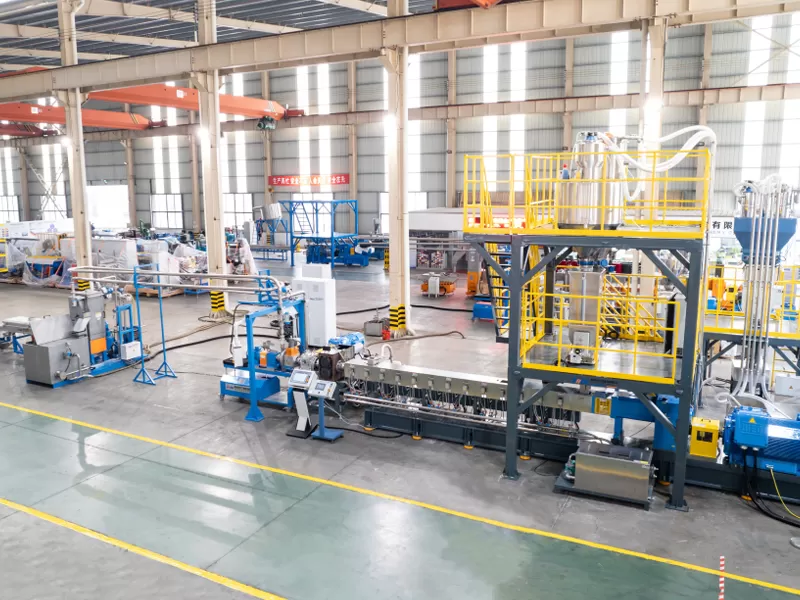
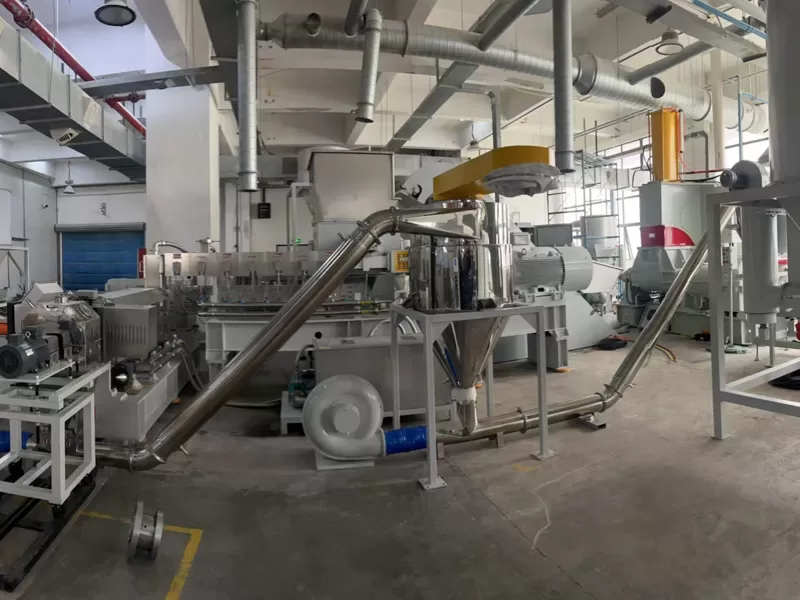
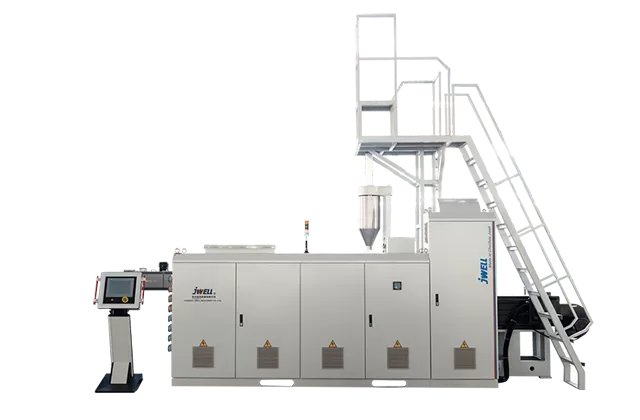
This customized extruder serves lithium battery film and electrode homogenization equipment, boasting stable performance and long-term cooperative partnerships.

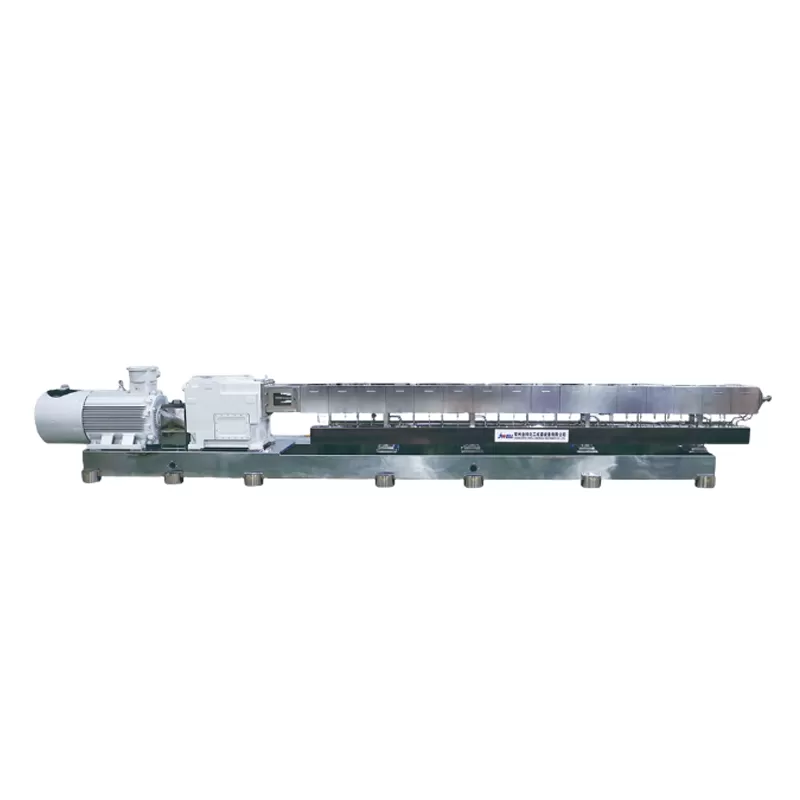
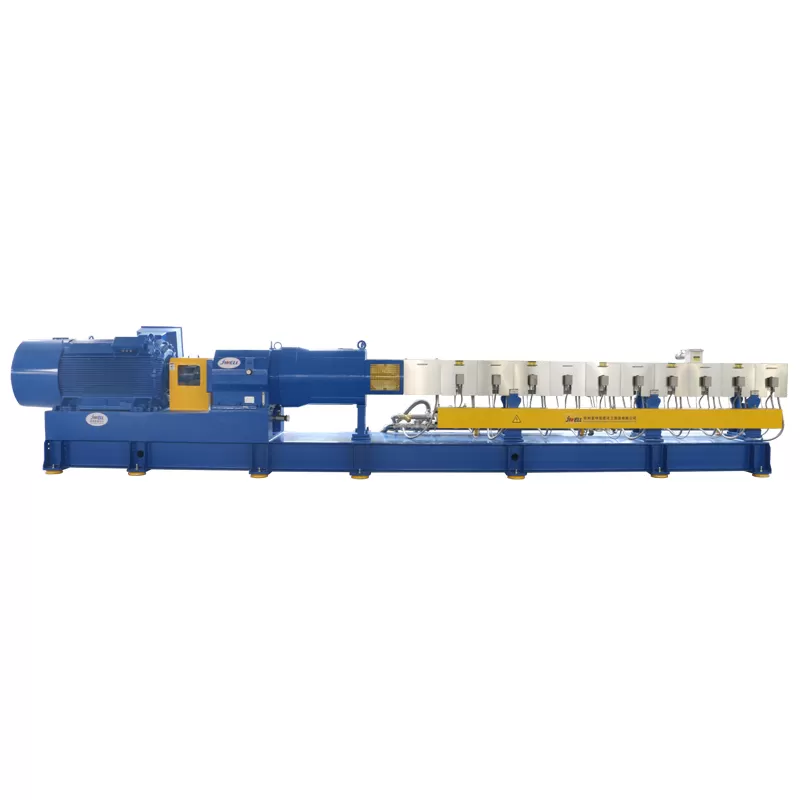
This customized extruder serves lithium battery film and electrode homogenization equipment, boasting stable performance and long-term cooperative partnerships.
Model | L/D | Speed | Output Capacity (kg/h) |
CJWA-95 | 64-68 | 500-600rpm | According formula |
CJWA-110 | 64-68 | 500-600rpm | According formula |
This extruder is mainly customized according to the supporting manufacturers, and is applied to lithium battery membrane host and lithium battery positive and negative electrode continuous homogenization host. Taking advantage of our advantages in parts, we have formed many cooperation manufacturers with stable performance.
1. Modular twin screw extruder equipped with super high torque gearbox(available brands including Flender and Henschel from Germany、Zambello from Italy、Local made Changxin and Zhitian etc.), wear resistant & corrosive resistant barrels and screw elements, high torque shaft and safety clutch, efficient heating and precise control to ensure stable, reliable and long term production.
2. Raw material are fed into twin screw extruder via accurate LIW feeders separately with high automation and flexibility to adjust formulation, available brands including Kubota、Brabender、K-Tron、Schenck、Colotronic and Local made Lingood、Transcell etc.
3. High-efficiency and energy-saving motors can maximize the conversion of electrical energy into mechanical energy. The W21 Magnet drive system is composed of a permanent magnet motor and inverter with Super Premium IE4 (GB1) efficiency and Ultra Premium IE5 efficiency, which is perfectly suitable for speed regulation, low Applications with stringent requirements such as precise rotational speed control, low noise and compact design, available brands including WEG、Siemens, it can be low voltage, 6kV or 10kV.
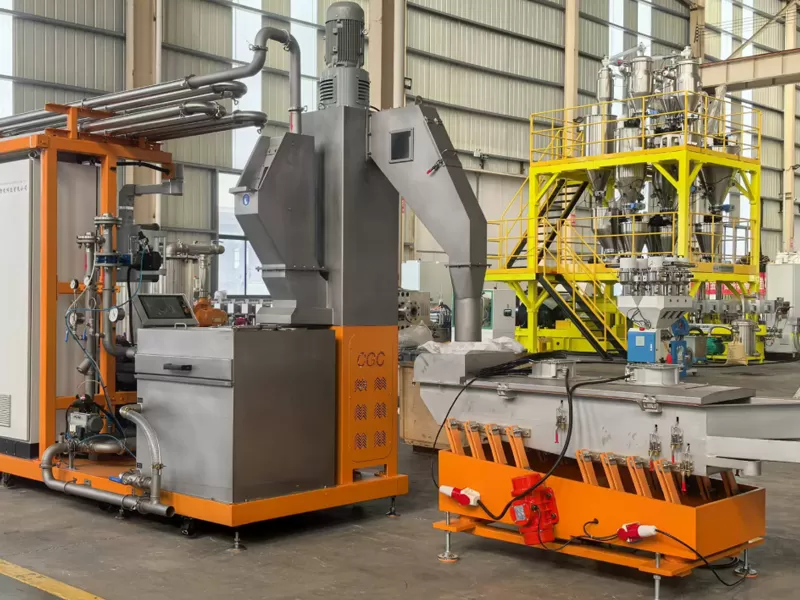
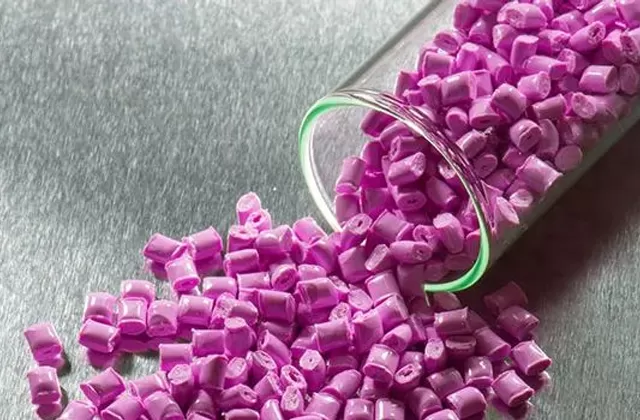
4. Automatic underwater pelletizing system can produce round pellet with high automation, the closed system has no emission of smoke and dust to environment and can adapt to various capacity requirements, available brands including ECON、BKG、Gala, Local made CGC、Ronghong etc.
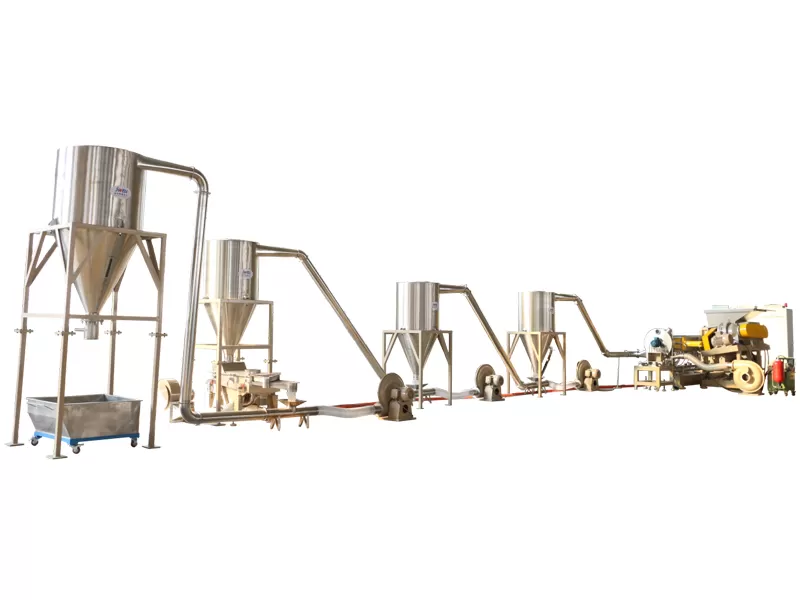
5. Various kinds of downstream equipments realize homogenization, sieving, drying & cooling, automatic packing smoothly.
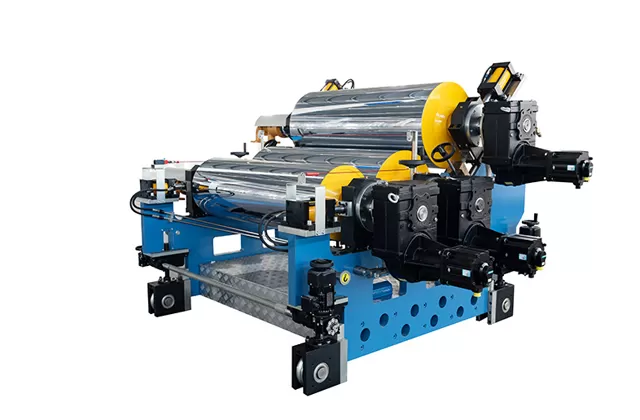
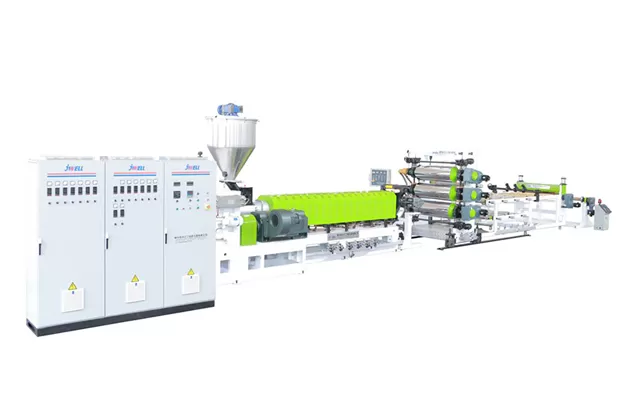
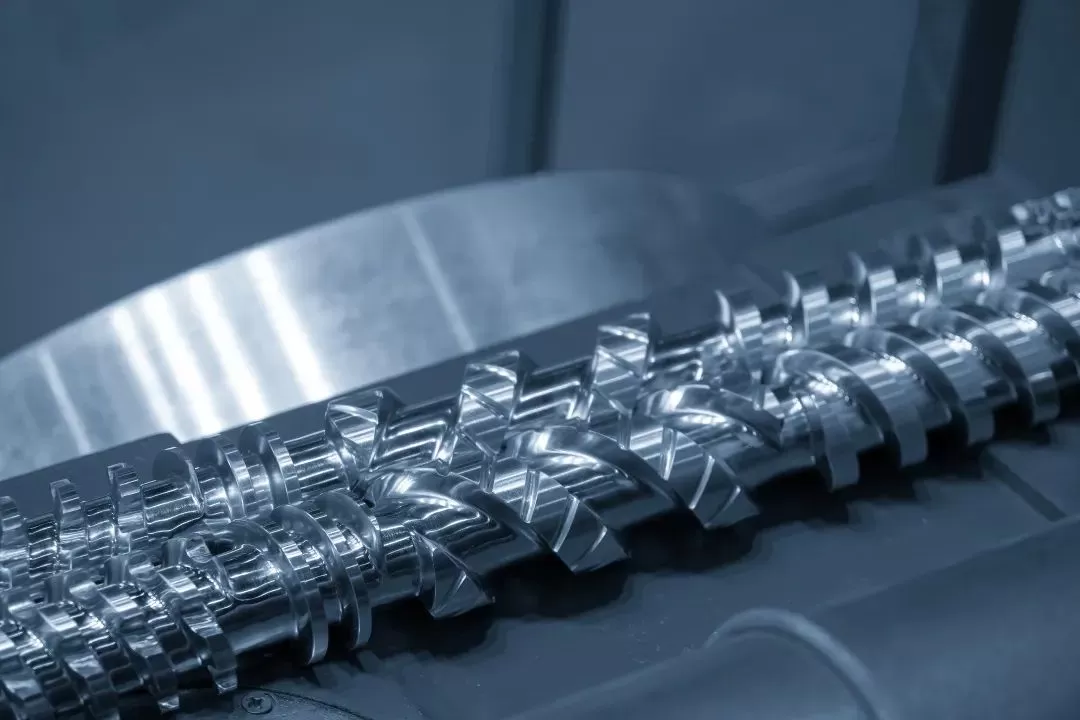
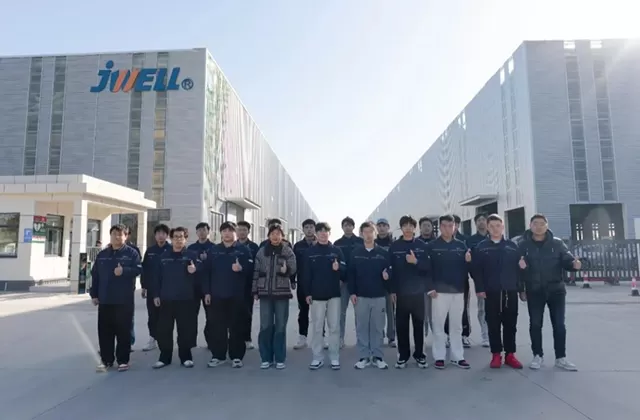
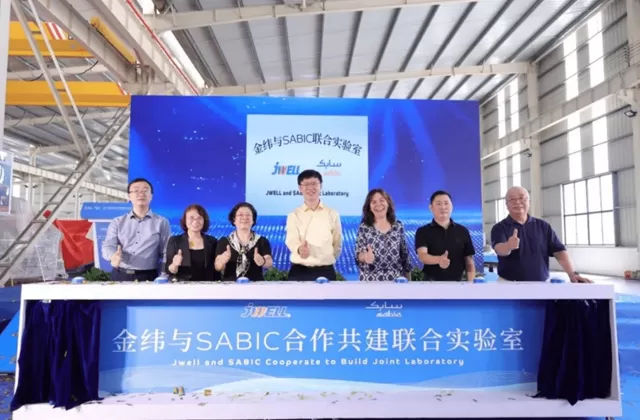
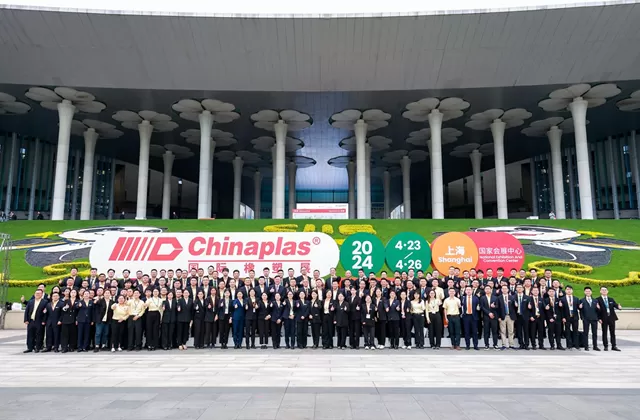
Jwell started manufacturing screws and barrels in 1978, making it one of the earliest screw and barrel manufacturers in China. Its brand, "Jinhailuo", has become well recognized in the industry. In 1997, Jwell was established to begin the production of extrusion machinery. Today, Jwell is the vice president unit of the China Plastics Machinery Industry Association and one of the technology leaders in the extrusion machinery industry.