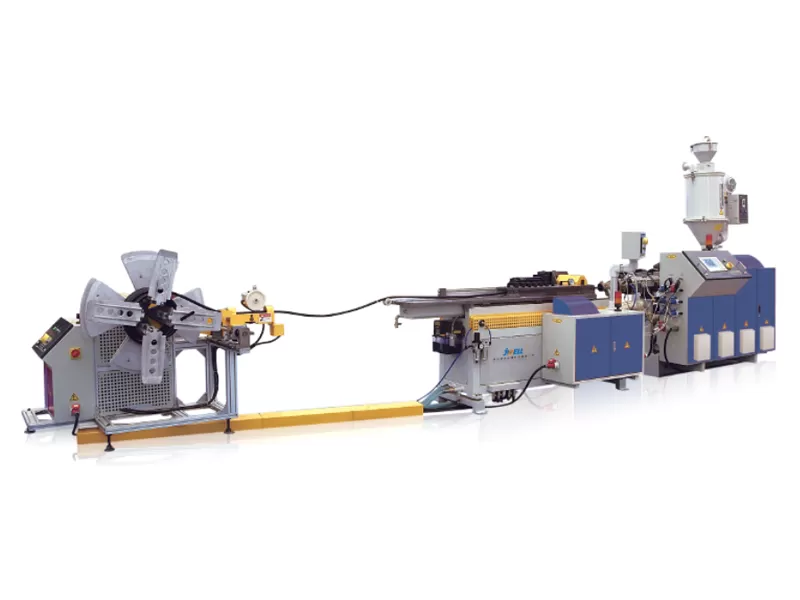
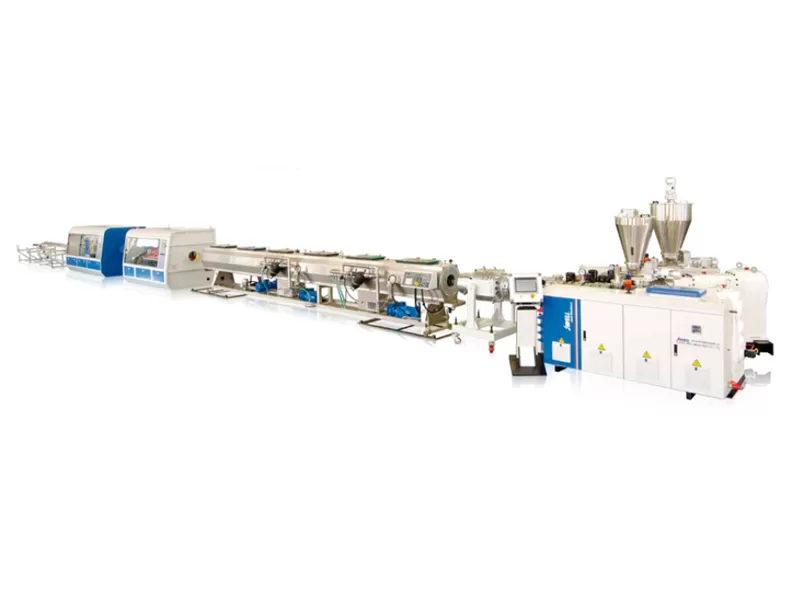
The advantages of building a factory by the seaside
1. Reduced transportation costs: The geographical location by the sea facilitates the use of the low-cost advantage of sea transportation, especially for the transportation of large-diameter and long-distance pipes. Sea freight can significantly reduce logistics costs, especially for long-distance transportation of oversized coiled pipes and large-diameter plastic pipes. At the same time, it also facilitates the import and transportation of raw materials, especially the resin and other raw materials required for plastic pipe production, which can reduce the transportation and procurement costs of raw materials.
2. Market proximity: Seaside areas are usually economically developed and have a high demand for plastic pipes. Building a factory by the seaside can better meet the needs of the surrounding market and quickly respond to customer demands.
3. Environmental friendliness: The environmental conditions at the seaside facilitate the implementation of more environmentally friendly production methods, such as using seawater for cooling, which can reduce the consumption of freshwater resources and align with current trends in environmental protection and sustainable development.
The current situation and challenges of China's plastic pipe industry
1. Leading production: Since the reform and opening up, China's plastic pipe industry has achieved significant results, with production leading the world for consecutive years. The production of China's plastic pipeline industry will reach 16.19 million tons in 2023, accounting for 75% -80% of the global total production. The market size of plastic pipes in China is expected to reach approximately 158.5 billion yuan in 2023. The production capacity of plastic pipes is concentrated in developed coastal areas, especially in Zhejiang and Guangdong regions, where enterprises are most concentrated.
2. Industrial challenges: In recent years, with the slowdown of the real estate industry, the plastic pipe industry has faced development difficulties. There are numerous small and medium-sized enterprises in the industry, and the homogenization of mid to low end products is severe, leading to fierce competition in the industry. The government has regulated the pollution emissions of the plastic pipeline industry and urged the industry to carry out green reforms, putting pressure on enterprises to transform and upgrade. We need to continue exploring new paths for industrial revitalization through market research.
Global Development Trends of Plastic Pipe Industry
1. Expansion of application areas: The application areas of plastic pipeline products are gradually expanding, not only in traditional fields such as construction and municipal water supply and drainage, gas, heating, and agriculture, but also in emerging fields such as communication, transportation, chemical industry, nuclear power, etc. There have been significant breakthroughs.
2. Increased industry concentration: In recent years, the phenomenon of two-tier differentiation in the plastic pipeline industry has become more apparent. Large scale enterprises that value brand and quality have stronger risk resistance in adversity. The difficulty of survival for small enterprises has further increased, and some have even stopped production, switched production, or gone bankrupt. The industry concentration is further increasing.
3. Continuous strengthening of innovation capability: Due to the increasing demand in application fields and intensified market competition, the enthusiasm of enterprises for new product research and development continues to increase. Basic research and technological development have been further strengthened, with greater attention paid to scientific and technological achievements and new technologies. Efforts have been made to tackle key common technologies, cutting-edge leading technologies, and application-oriented technologies. Many enterprises have established research and development centers, and the integration of industry, academia, and research has been deeply accelerated. Patent technologies continue to increase, and the research and development speed of high-performance new products and system supporting levels has been accelerated.
4. Global market size growth: According to data from global consulting firm PERSISTENSE Research, the market size of the global plastic pipeline industry is expected to reach approximately 35.43 billion US dollars in 2022 and 37.34 billion US dollars in 2023. This number is projected to exceed 51 billion US dollars by 2029, with a compound annual growth rate of approximately 5.5%
5. Global layout of industrial chain: Plastic pipes are an important category of chemical building materials, with the upstream industry being the petrochemical industry and the midstream being plastic pipe manufacturing. Specific products can be divided into PVC series, PPR series, PE series, etc. The downstream industries are construction, municipal, gas and other industries. The global plastic pipeline industry chain has a wide range of enterprise layouts.
The rapid development of FCP (Flexible Composite Pipe)
1. Material characteristics: With the continuous advancement of FCP technology, the material itself has gas impermeability, avoiding the risks of hydrogen embrittlement and hydrogen corrosion that exist in metal steel pipes for hydrogen transportation. The inner and outer layers of FCP pipes are made of polyethylene material, which is acid and alkali resistant and does not require additional anti-corrosion treatment. In addition, FCP pipes also have advantages such as energy conservation and environmental protection, good tightness, corrosion resistance, and easy construction.
2. Composite structure: By selecting different reinforcement materials and matrix materials, FCP can customize its mechanical properties, such as strength, stiffness, chemical corrosion resistance, etc., to adapt to different working environments and media. Composite structures allow manufacturers to balance performance and cost by using lower cost materials as reinforcement layers or matrices while maintaining the required performance standards. Compared with traditional metal pipelines, the composite structure of FCP can reduce weight without sacrificing strength, which helps to reduce transportation and installation costs.
3. Market position: The demand for FCP in the Chinese market is rapidly growing, and domestic companies such as Aerospace Morning Light Co., Ltd. and Changchun Gaoxiang Special Pipeline Co., Ltd. are actively expanding into the FCP field, enhancing their competitiveness in both domestic and international markets through technological innovation and capacity expansion. Many countries are promoting the development of the FCP industry through policy support and incentive measures, including encouraging the use of FCP to replace traditional pipeline materials, and supporting the application of FCP in new energy and environmental projects.
Practical cases and suggestions
1. International experience: Successful plastic pipe companies such as PIPELIFE have proven the economic benefits of building factories by the sea.
2. Domestic practice: The "Compilation of Technical Data on Plastic Pipes for Marine Engineering" published in 2021 introduces successful cases of coastal factory construction and maritime transportation.
3. Suggestion encouragement: Encourage domestic plastic pipe enterprises to build factories by the sea to adapt to global market competition.
The coastal construction strategy of the plastic pipe industry not only solves the transportation problem, but also provides new ideas for the sustainable development of the industry. By continuously optimizing material properties and structures, the plastic pipe industry is expected to occupy a more important position in the global market.
Case:
Turkey “FIRAT”
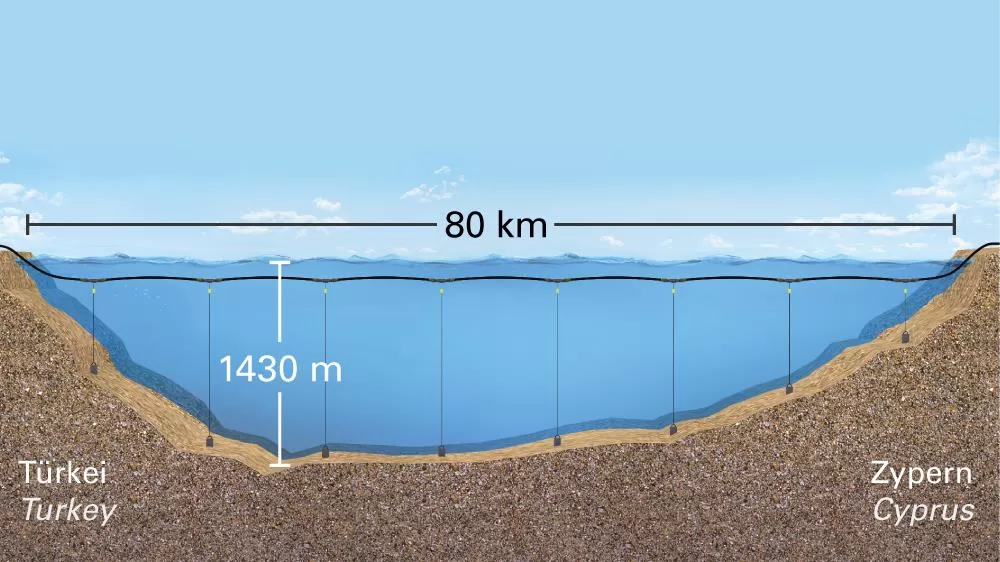
FIRAT, the largest plastic pipe supplier in Turkey, has built a 5500 ㎡ factory at the seaside of Mersin, purchased the large-scale pipe
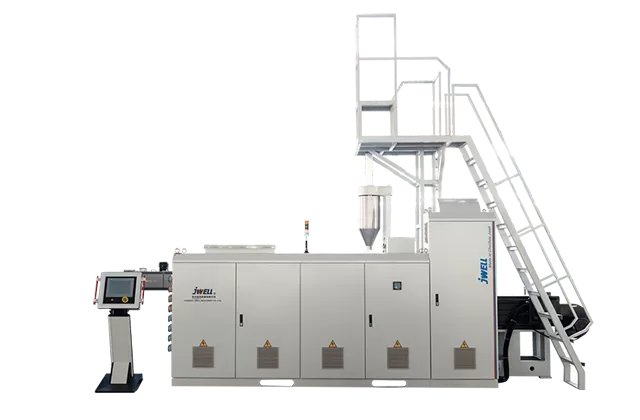
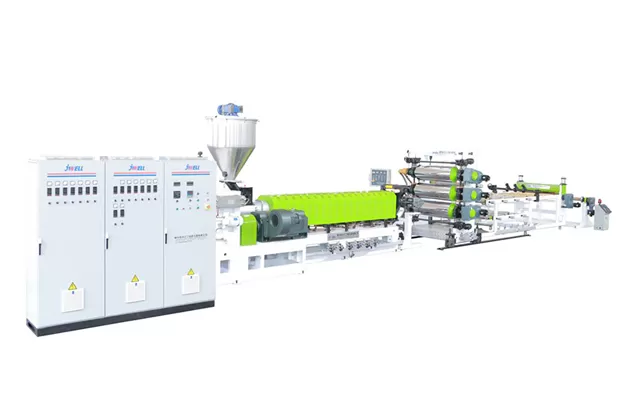
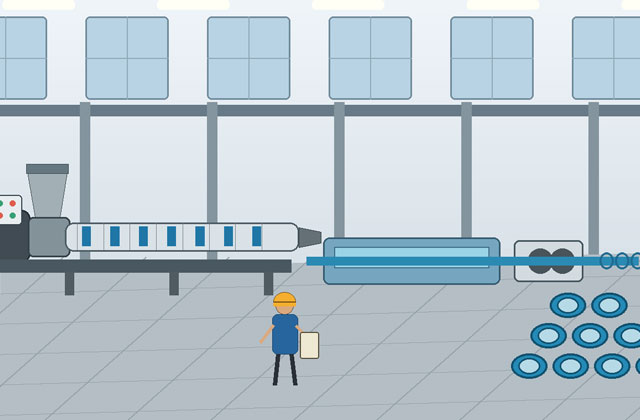
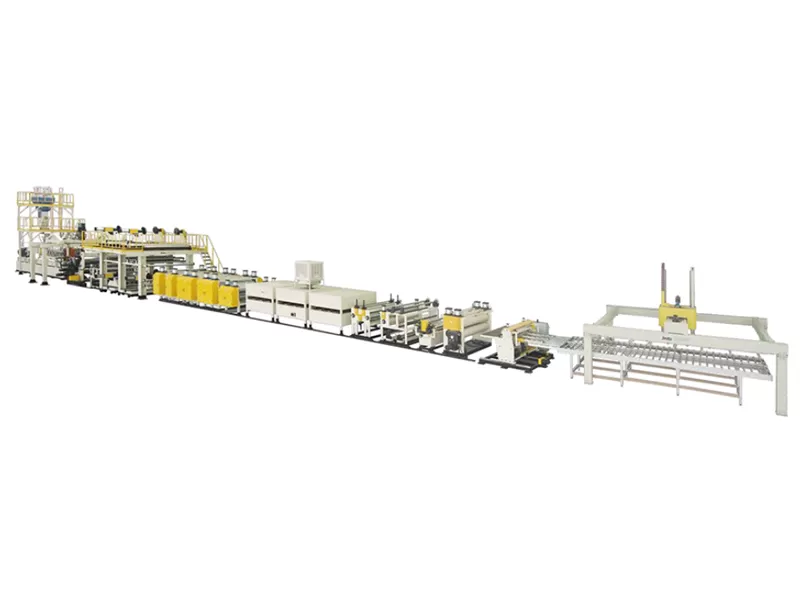
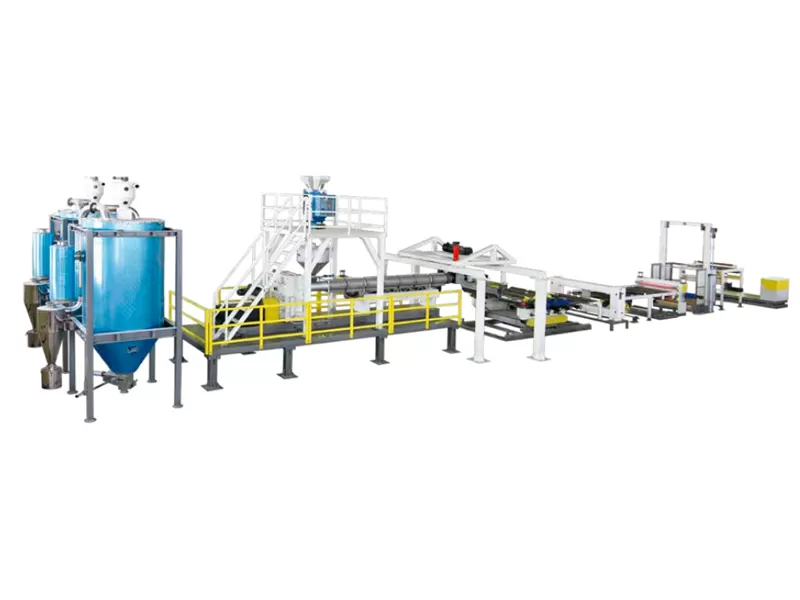
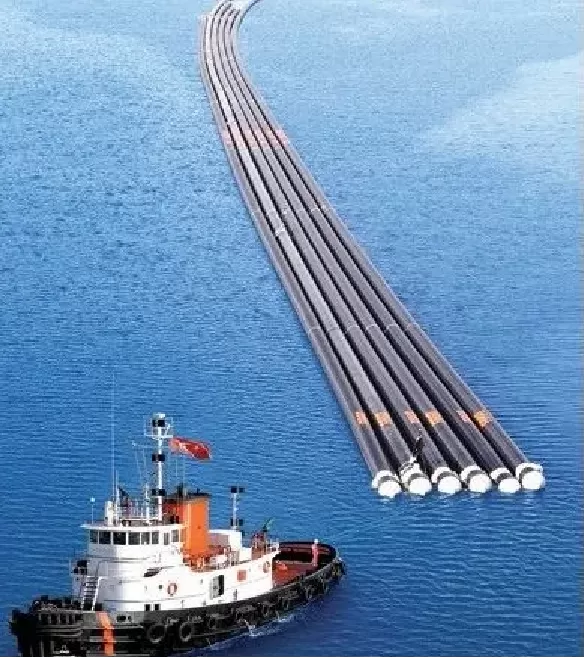
Extrusion production line of JWELL Machinery, and produced 160 PE solid wall pipes each 500 meters long and 1600 mm in diameter for this huge project. It is installed 250 meters below the sea level of the Mediterranean Sea to cross the 80 km wide strait and transport water from Mersin, Turkey, to the island of Cyprus.
A 500 meter pipeline requires five days and five nights of uninterrupted production, without any errors or minor malfunctions, and requires equipment with high stability.
The supplier of pipeline production equipment for this project is JWELL Machinery, an excellent brand in China's plastic extrusion industry and a global supplier of extrusion technology solutions. Founded in Shanghai in 1997, after 27 years of steady development, it has established eight production bases in Shanghai, Zhoushan, Suzhou, Changzhou, Haining, Thailand, as well as Chuzhou, Quanjiao and other places, covering an area of over a thousand acres. It has more than 30 professional companies under its control and more than 3000 employees. Produce over 3000 sets of highly automated, energy-efficient plastic extrusion intelligent equipment annually.
ABU DHABI “UPI’
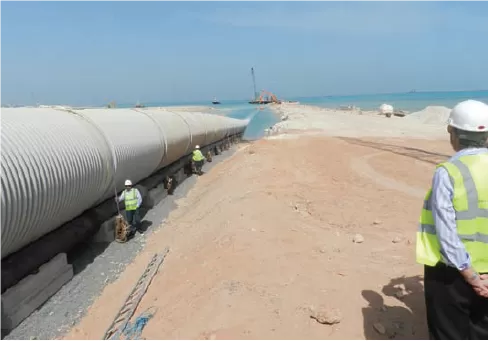
UPI Joint Pipeline Company was established in Abu Dhab, in 1999 to meet the demand for high-quality plastic pipelines in the UAE and MENA Mena regions (where large petrochemical enterprises are being built). UPI produces solid wall pressure pipes with diameters up to 2000mm and structural wall pipes with diameters up to 3500mm using PE and PP. Widely used in drinking water, sewage, irrigation, gas transmission and distribution, cooling water, seawater extraction and discharge, and oilfield petrochemical enterprises.
Strohm
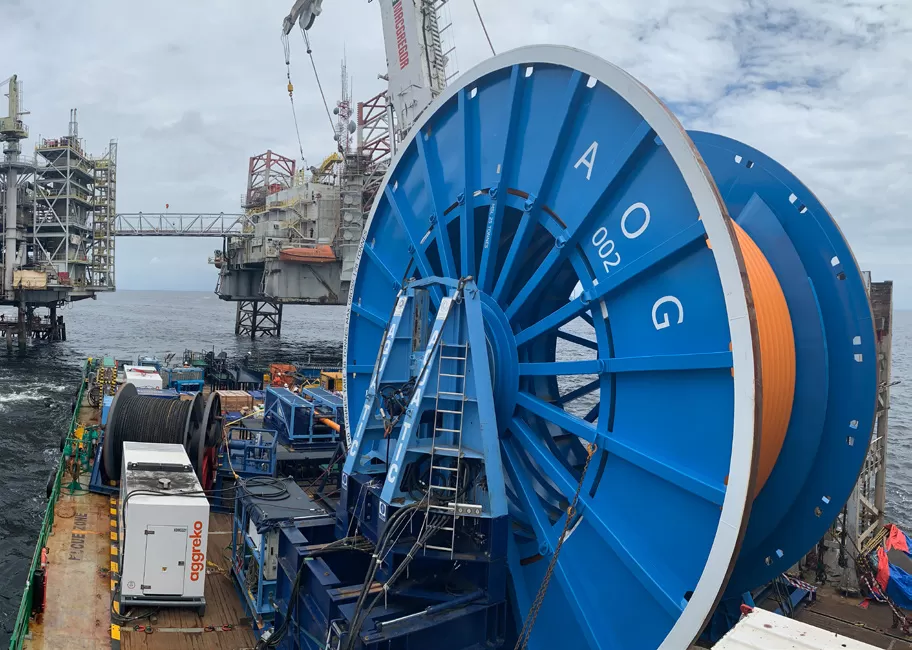
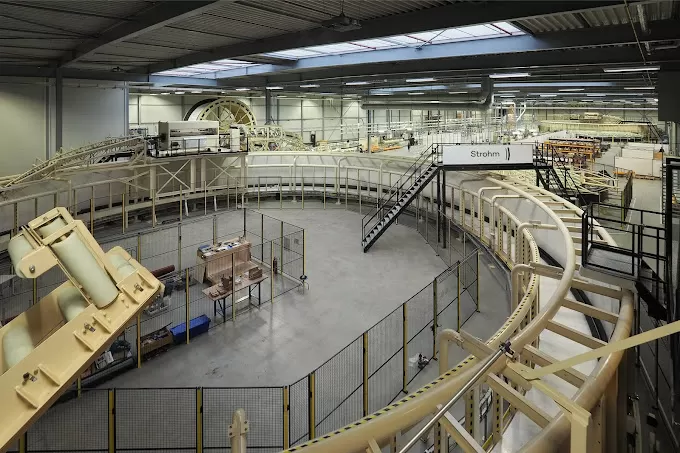
Strohm is the world's first and leading producer of thermoplastic composite pipes (TCP), with a comprehensive TCP production base established in IJmuiden (Amsterdam Port). It is the first FCP (TCP) to provide over 11 kilometers of TCP for the TES Wilhelmshaven green natural gas terminal in Germany. In the initial phase starting in the second half of 2023, the terminal will use ECOnnect's energy solution for importing natural gas. TCP is an important component of the solution for transferring gas between floating storage and regasification units (FSRU) and onshore terminals, with a distance of approximately 2 kilometers.
Related links:
https://www.jwellplasticExtruder.com/multi-layer-single-layer-hdpe-water-supply-pipe-gas-pipe-energy-saving-and-high-speed-extrusion-line-product
https://www.jwellplasticextruder.com/horizontal-double-wall-corrugated-pipe-extrusion-line-product/
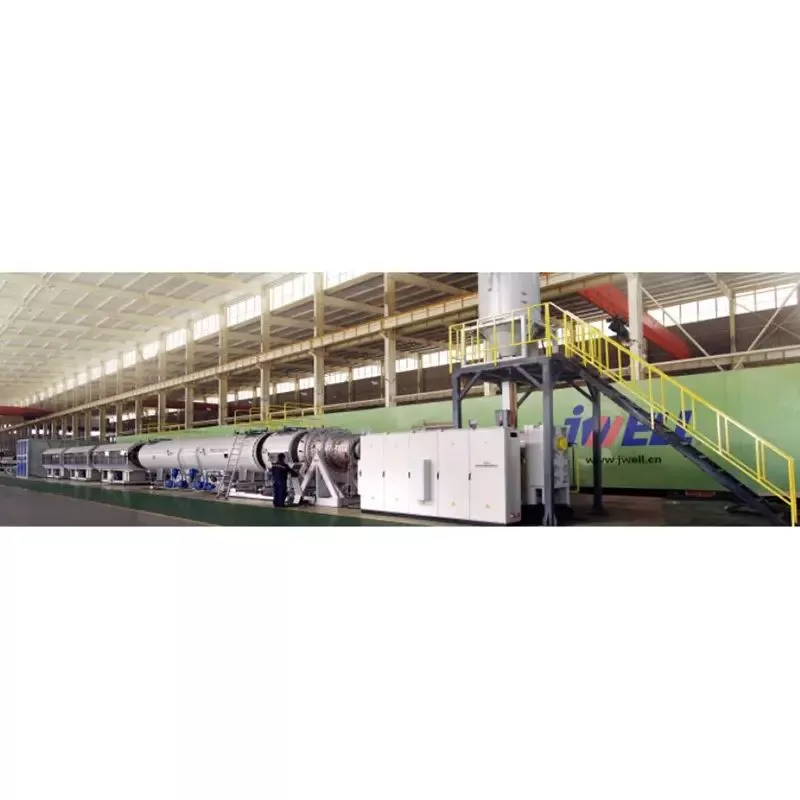
Multi-layer Single layer HDPE Water Supply Pipe/Gas Pipe Energy-Saving And High Speed Extrusion Line | 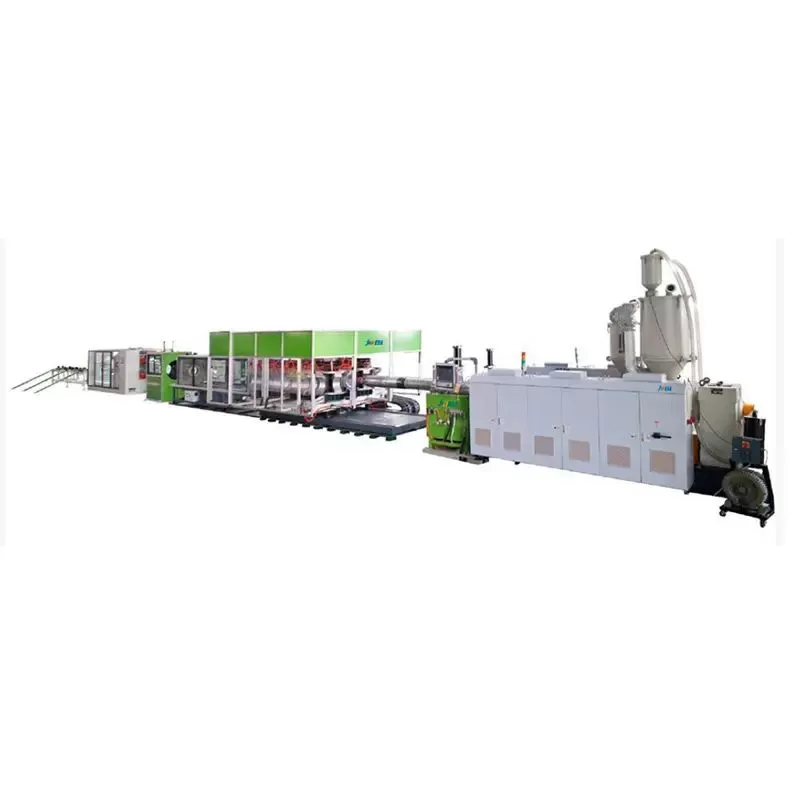
Horizontal Double Wall Corrugated Pipe Extrusion Line |