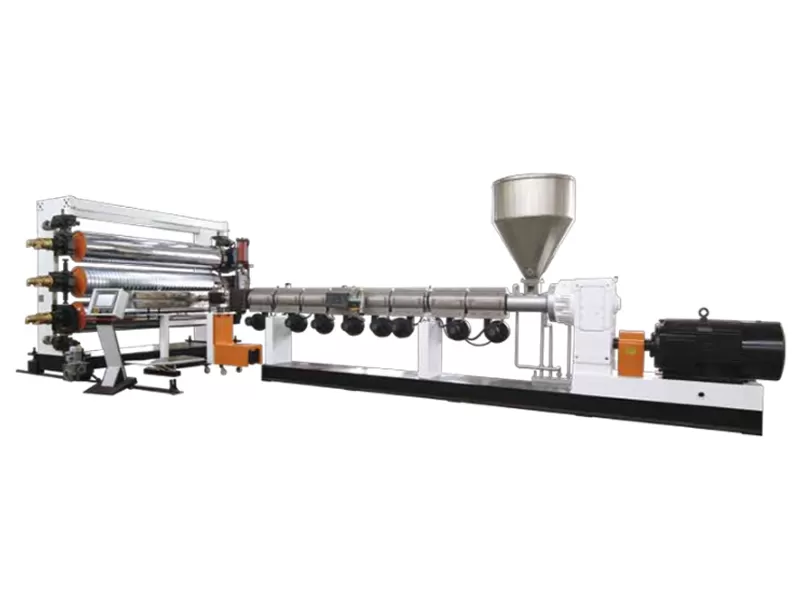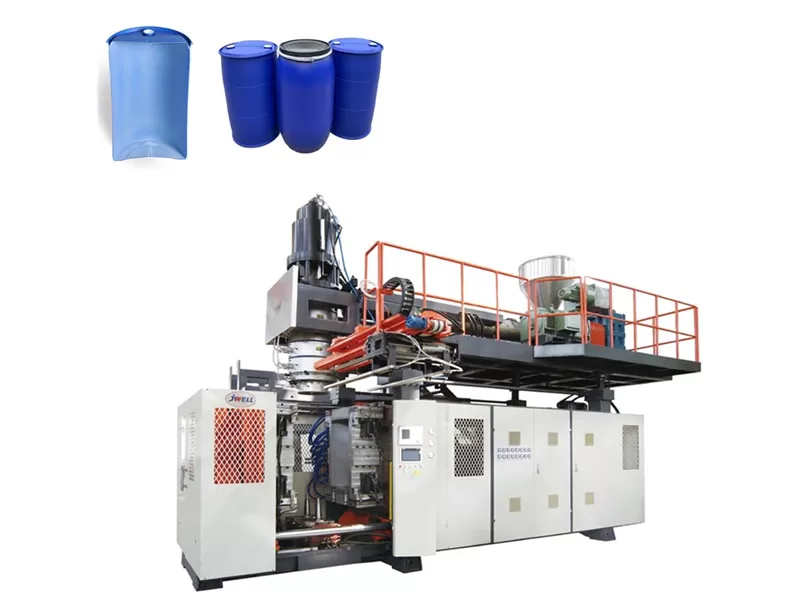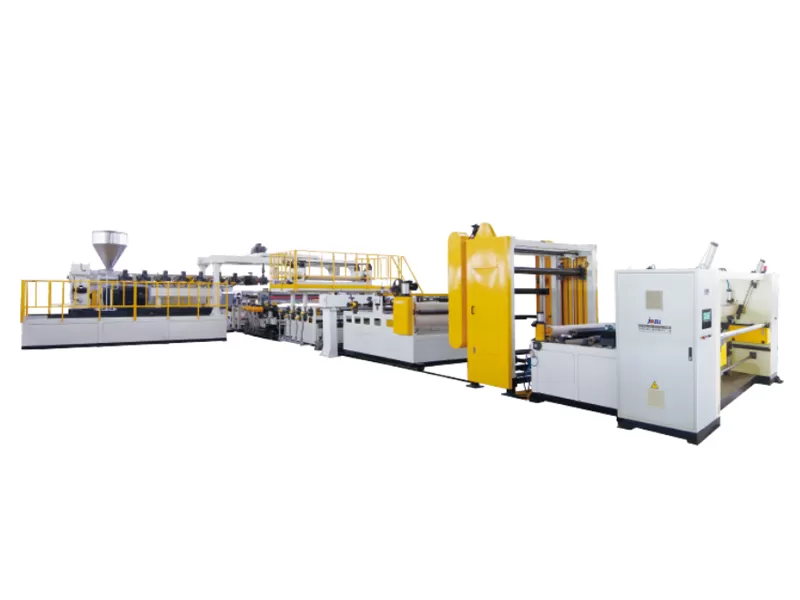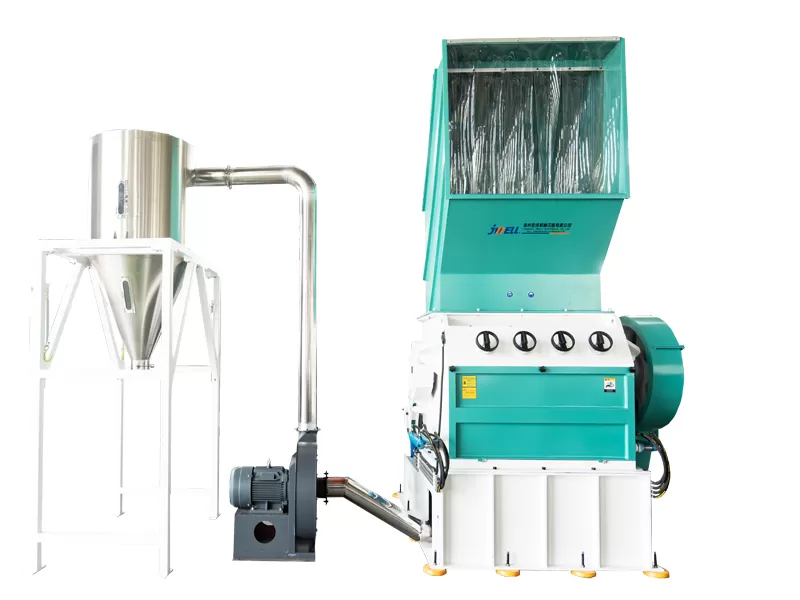
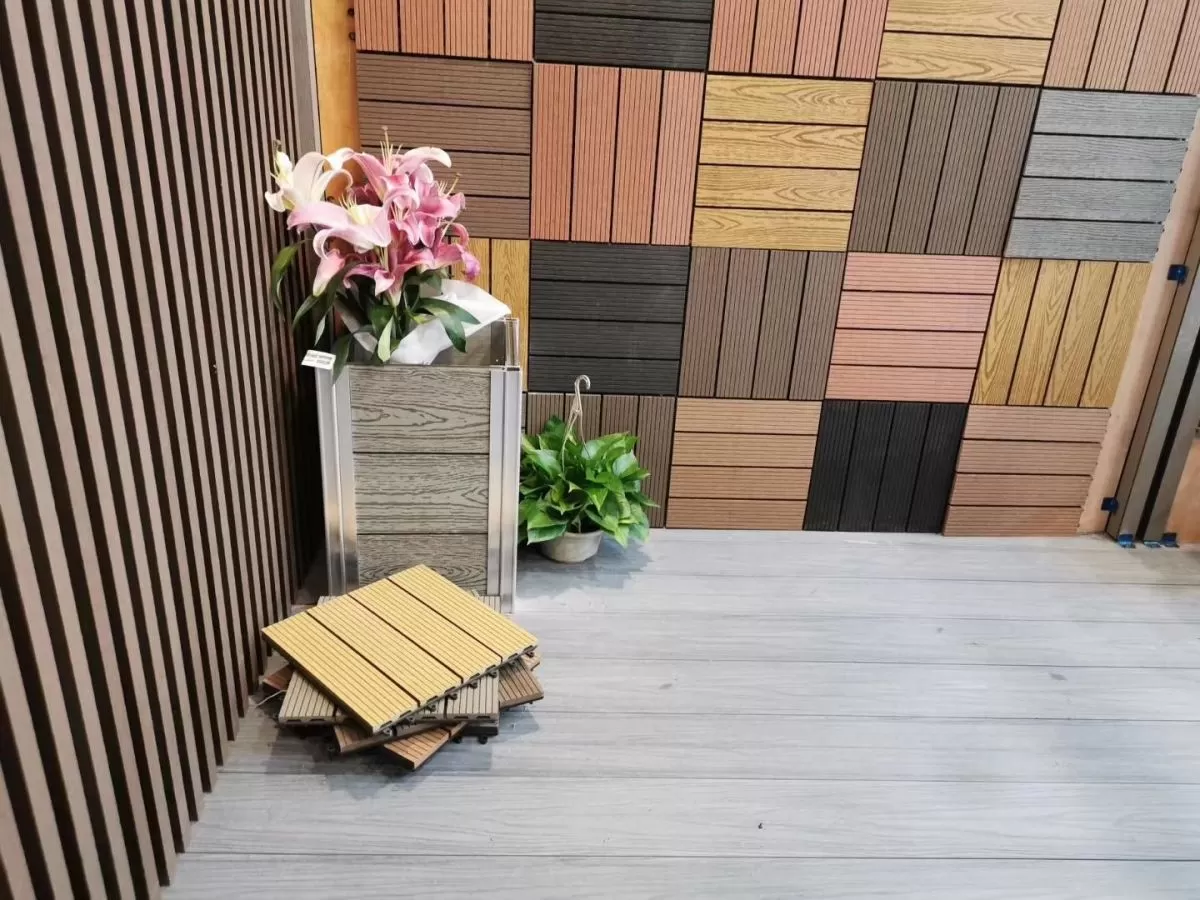
Wood-plastic composite materials abbreviated as WPC are made of low-biomass fibers such as sawdust, wood chips, bamboo chips, rice husks, rice bran, peanut shells, cotton straw, etc. as the main raw materials. They are mixed with a certain proportion of plastic base materials using the principles of polymer interface chemistry and the characteristics of plastic filling and modification. After special processing, they are processed and formed into a reversible and recyclable basic material with a wide range of products and diverse morphological structures. WPC materials have five characteristics:
1. Resource utilization of raw materials: its biomass material part is basically waste utilization, with a wide range of sources and low value; the requirements for plastic components are not high, new, old or mixed materials are all acceptable, which fully reflects the comprehensive and effective utilization of resources.
2. Product plasticization: wood-plastic products are artificial integrated synthetic products, and the product process and formula can be randomly adjusted according to the use requirements to produce materials with different performance and shapes, and its profile utilization rate is high.
3. Environmentally friendly use: the wood/plastic base materials and common additives of wood-plastic materials are environmentally friendly, non-toxic and harmless, and will not produce toxic side effects during their production and processing, so they do not pose any hazard to the human body and the environment.
4. Cost economy: wood-plastic products have realized the transfer of low-cost plant materials to high-value-added products. Not only are the maintenance costs low, but the product life is several times that of natural wood. The comprehensive comparison has obvious economic advantages.
5. Recycling and regeneration: the scrapped products and recycled waste products of wood-plastic materials can be recycled, and will not affect the performance of the product, and can realize the "reduction, regeneration, and resource" circular economic model.
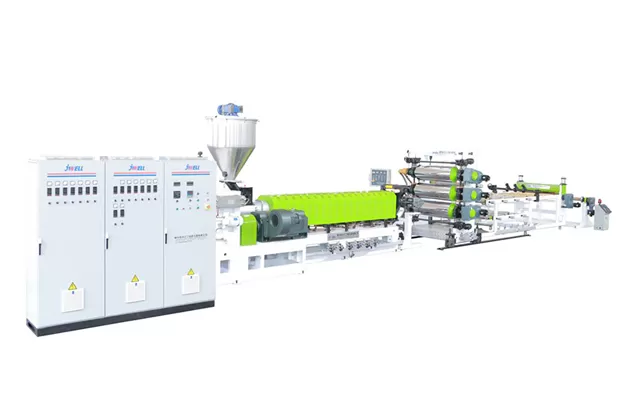
There are often some problems with the machines and operating processes during the production of WPC wood plastic. This article lists some common problems and provides solutions.
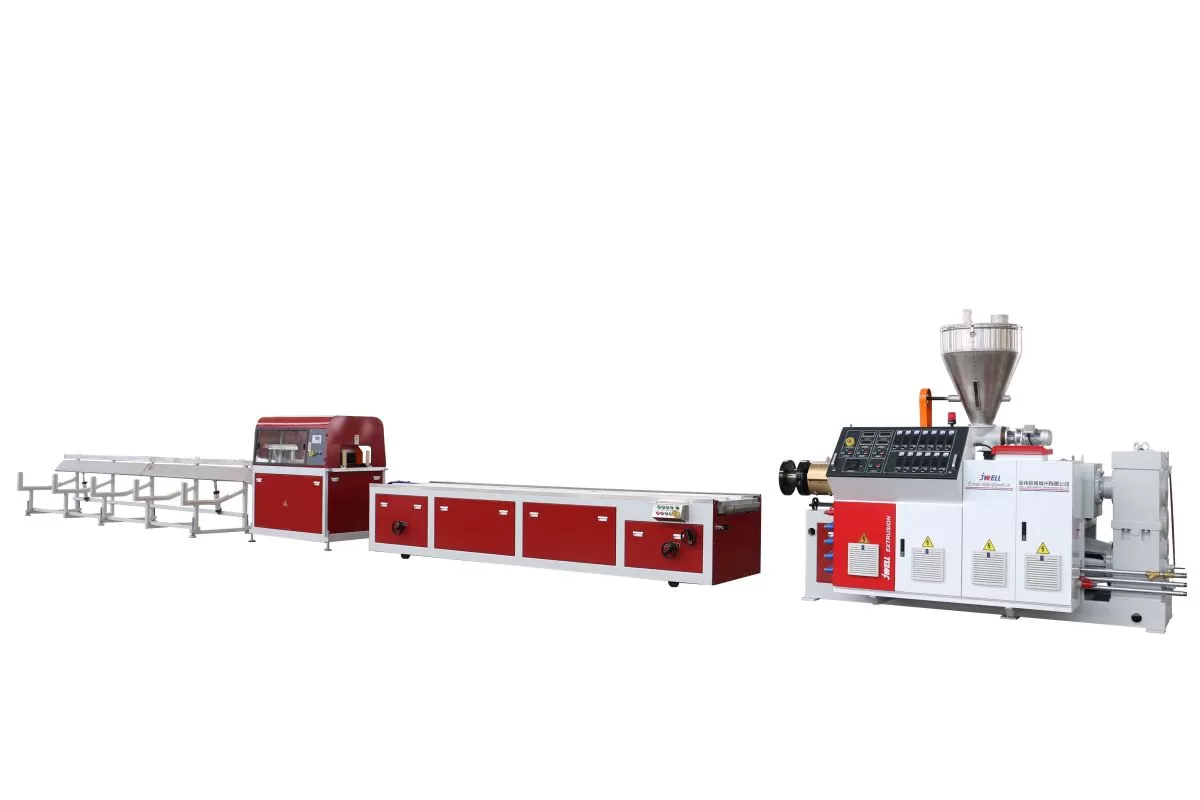
1. The temperature of the first and second heating zones of the barrel is too low and the material is not plasticized. Increase the barrel temperature to plasticize the material.
2. The feeding material is too less to filled the screw, resulting in no plasticization. Increase the feeding speed.
3. Turn on the vacuum pump too early. Turn off the vacuum pump and turn on the vacuum pump after the material is well plasticized.

1. The vacuum pressure is too low and the moisture of the material is not removed. Check whether the vacuum barrel is leaking, whether the vacuum pump has enough water, and whether the vacuum pipeline is unobstructed.
2. The material is left for too long. Even if the vacuum pressure is high, the moisture in the material cannot be removed. Do not use the raw materials that have been left for too long (generally, the granulation material should be used up within 48 hours), or use them after the dryer has dried the raw materials.
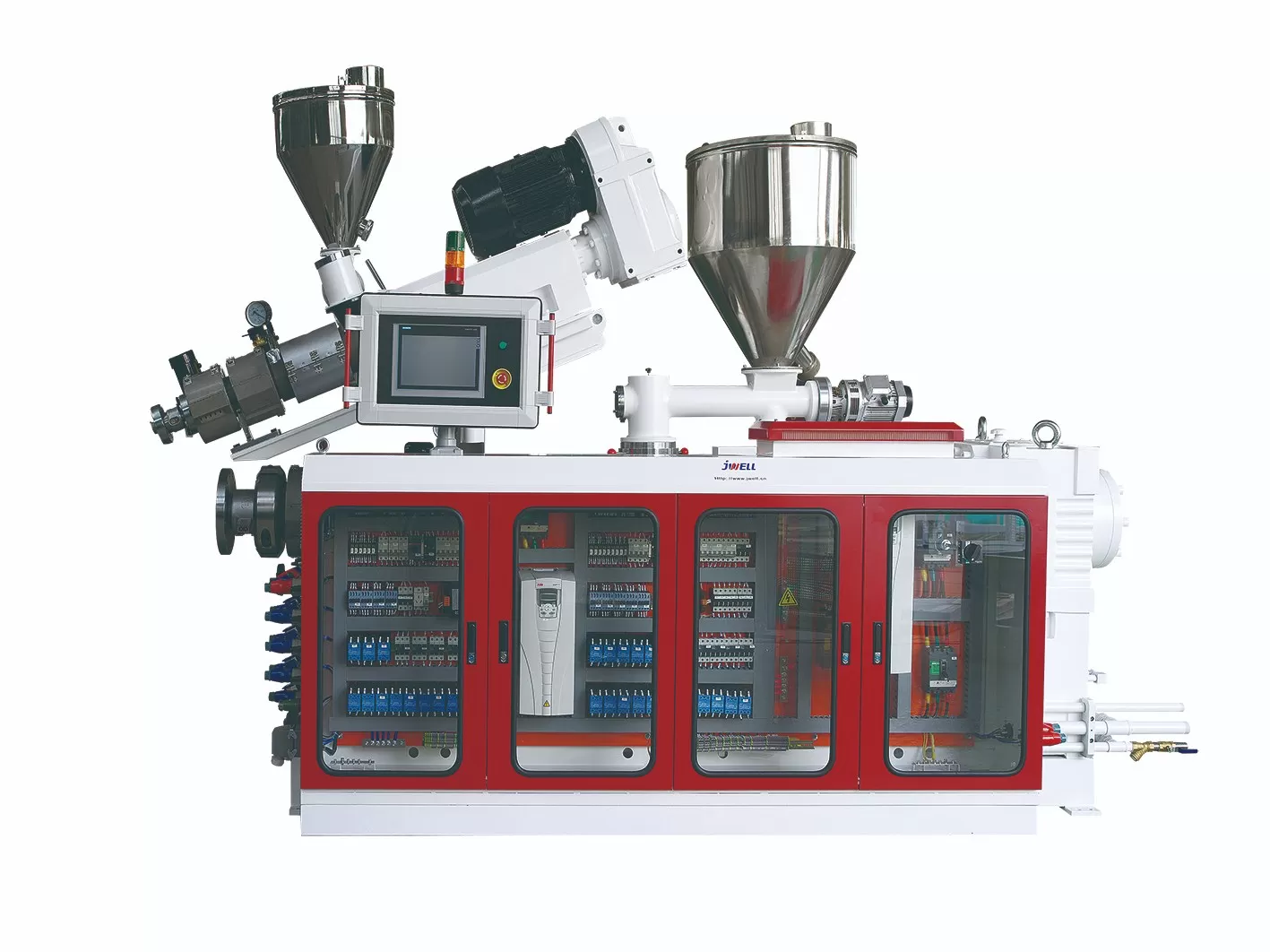
1. Impurities are stuck in the mold, resulting in insufficient adhesion of the material when exiting the mold head. Clean the mold before restarting the machine.
2. There is too little compatibilizer. The white frost-like substance on the surface of the product is the precipitation of lubricant. Adjust the formula and add compatibilizer.
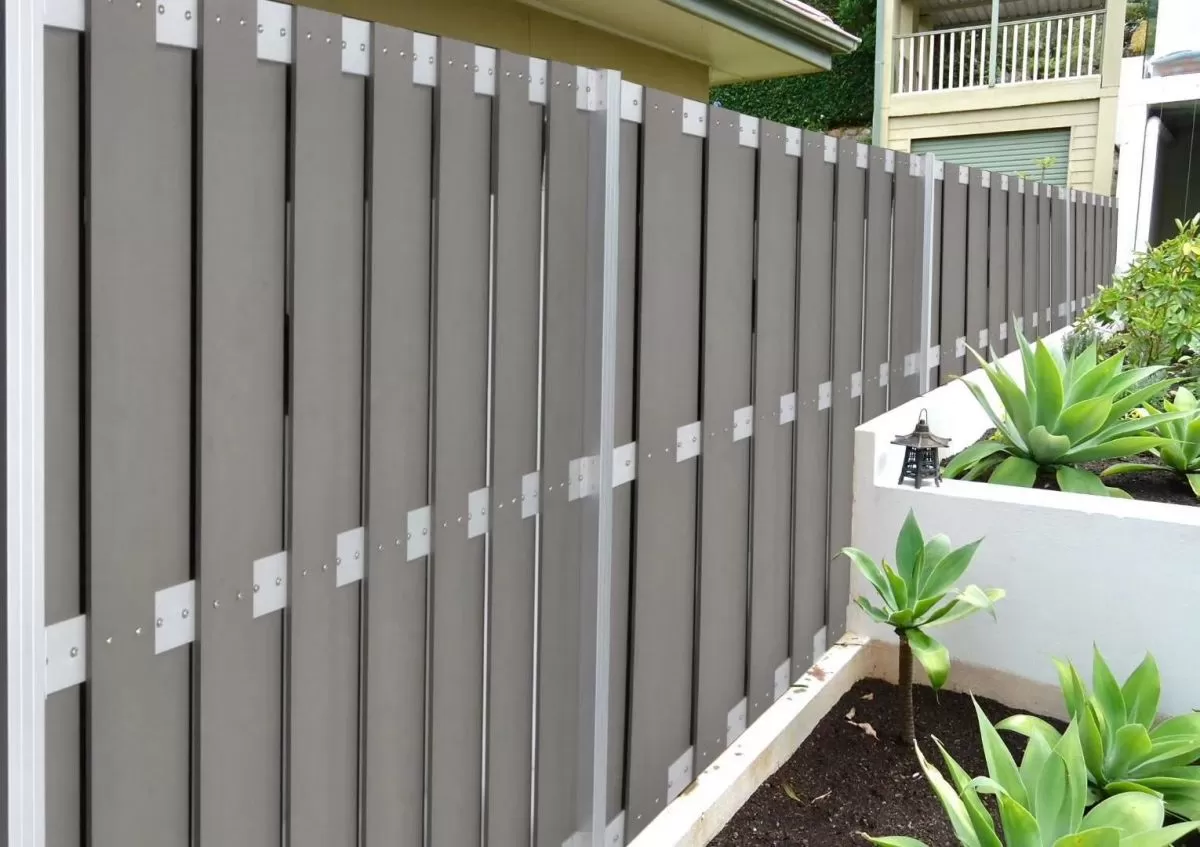
1. The material is over-plasticized. Reduce the barrel temperature and feed speed to make the material plasticized normally.
2. The water temperature of the mold plate is high or not flowing. Check whether the mold plate is water connected, ensure the water flow is normal, and the water inlet temperature should be low.
3. The temperature of the embossing roller is too high and the press is too tight. Reduce the temperature of the embossing roller and raise the height of the embossing roller a little. Don't press too much.
1. The saw blade lifting speed is too fast. Adjust the air pressure valve of the saw blade lifting solenoid valve to reduce the air intake and slow down the saw blade lifting speed.
2. The saw blade is worn or the teeth fall off. Check the saw blade. If true, replace the saw blade.
The above are common problems in the WPC production process. If you want to know more, please click www.jwellplasticextruder.com
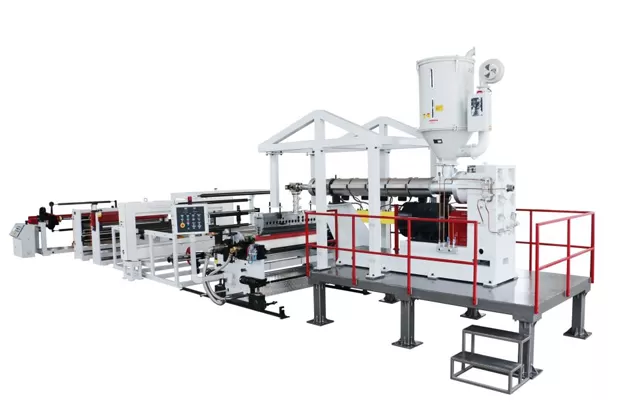
Jwell started manufacturing screws and barrels in 1978, making it one of the earliest screw and barrel manufacturers in China. Its brand, "Jinhailuo", has become well recognized in the industry. In 1997, Jwell was established to begin the production of extrusion machinery. Today, Jwell is the vice president unit of the China Plastics Machinery Industry Association and one of the technology leaders in the extrusion machinery industry.