The landmark fifth session of the Intergovernmental Negotiating Committee for the United Nations Plastics Convention (INC-5) ended in Busan, South Korea on December 1.
More than 1,400 negotiators from 178 UN member states attended the meeting to discuss binding measures to control global plastic pollution.
The failure of the meeting to reach any treaty to address the global plastic pollution crisis exposed major divisions between countries and compromises made in the search for consensus.
The Busan meeting was originally intended to be the last round of negotiations, but now, with no agreement, the discussions will continue next year.
The draft reached in the past seven days of negotiations will serve as the basis. The CHAIR'S TEXT, released on December 1, reflects the voices of all parties and is significantly less ambitious than earlier versions.
What was once a bold attempt to fight plastic pollution has been revised into a document that has broad consensus but lacks the strength needed to have a real impact.
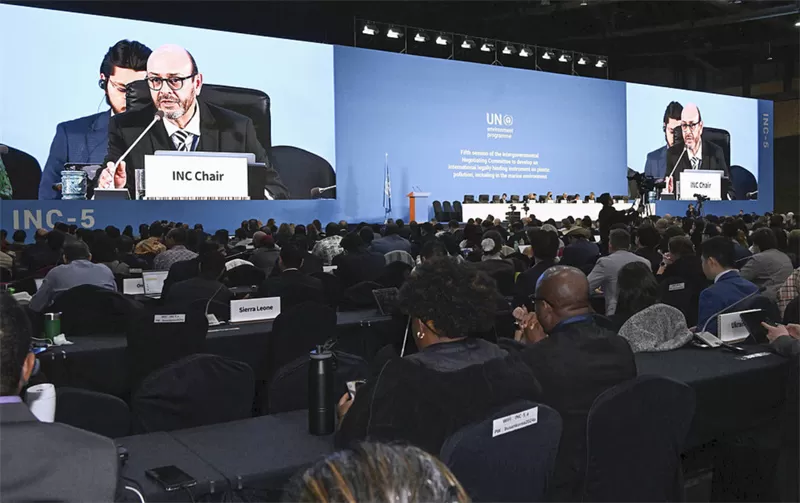
The most divisive issues include limiting plastic production, managing harmful chemicals, and financing to help developing countries implement the agreement.
More than 100 countries seek to limit plastic production, while oil and petrochemical producers are only willing to manage plastic waste.
Countries such as Rwanda, Mexico and Panama advocate curbing plastic production, developing stronger treaties on plastic production and hazardous chemical regulation, and holding industries accountable.
A coalition of like-minded countries such as Saudi Arabia and Kuwait oppose curbing plastic production. Saudi Arabia in particular is dependent on the plastics industry, and curbing plastic production will threaten its economy.
The influence of the coalition on the chairman's text is obvious, and it eventually moved to a more watered-down framework. According to data provider Eunomia, China, the United States, India, South Korea and Saudi Arabia are the five major polymer producers in 2023.
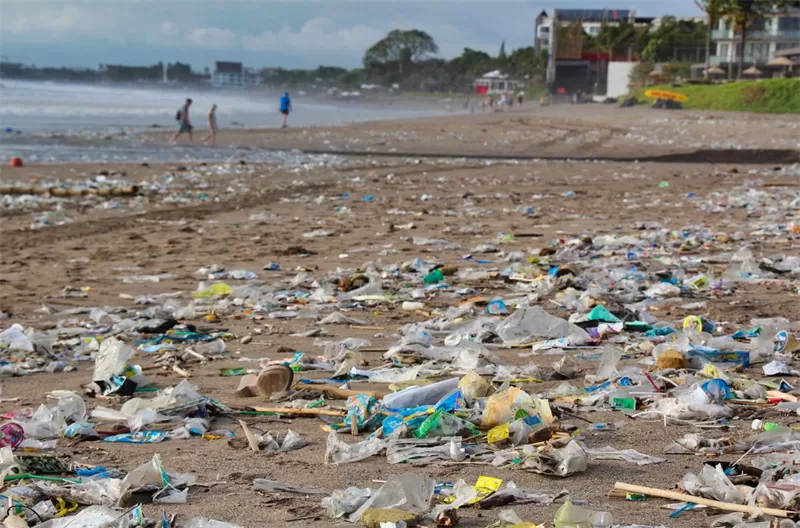
The imminent arrival of President-elect Trump in the United States has added uncertainty to the country's policy, as the US delegation has abandoned several commitments such as production cuts. The shift in US policy, coupled with existing resistance from other countries, raises serious doubts about whether a global plastics treaty can achieve its intended goals in the current political climate.
In March 2022, nearly 200 UN member states unanimously agreed to a joint resolution to curb plastic pollution by the end of 2024. The agreement took nearly 10 years to prepare.
According to the United Nations, the world generates about 400 million tons of plastic waste each year, and the trend is rising.
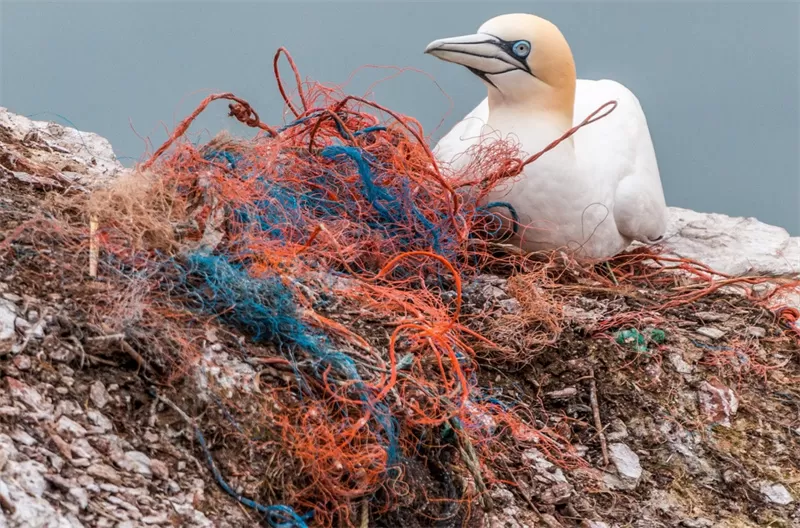
At this point, the task of reaching an agreement by the end of 2024 is not yet completed.
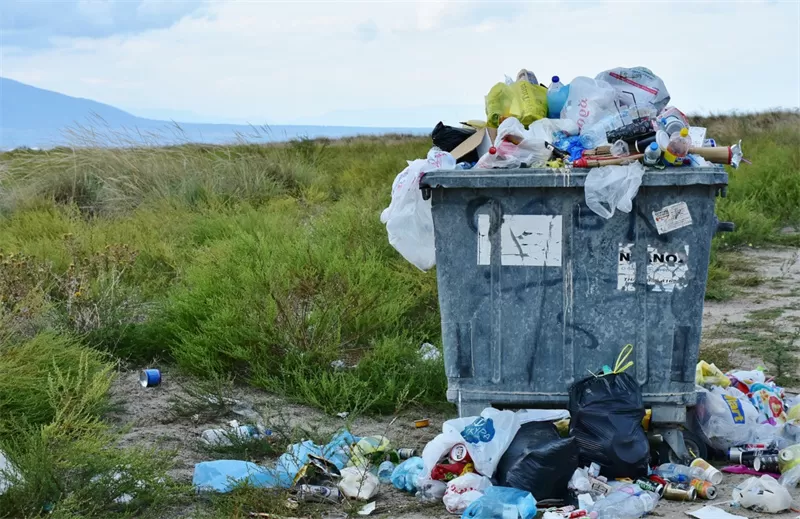
The venue and time of the next intergovernmental negotiating committee meeting (INC-5.2) will resume at a later date, and the Bureau is tasked with finalizing these details.
The countries have now agreed to meet again next year to continue negotiations.
As negotiations continue, the international community must demand a framework that prioritizes fairness, accountability and meaningful action.
Failure to do so risks turning the plastic treaty into an empty promise rather than the transformative solution the world desperately needs.
For more information on the plastics industry, please visit www.jwellplasticextruder.com
(Information and pictures are from the Internet. Please contact us if there is any infringement.)
PREV
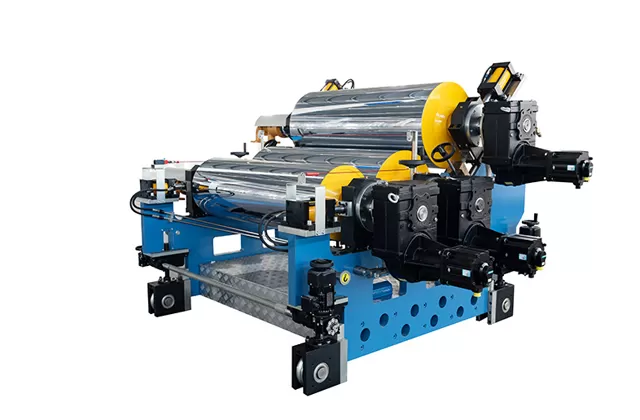
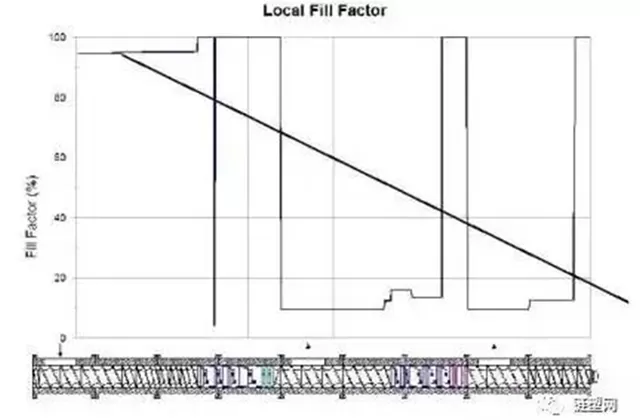
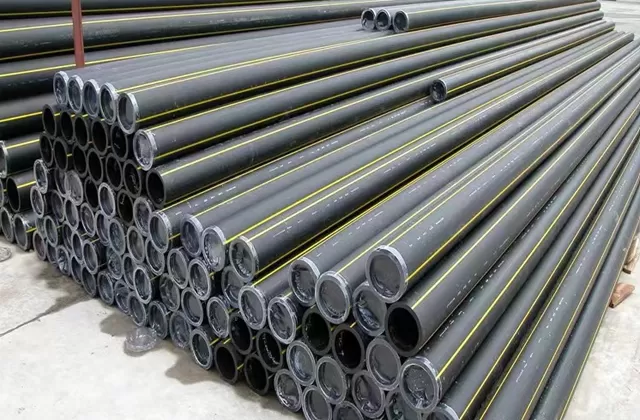
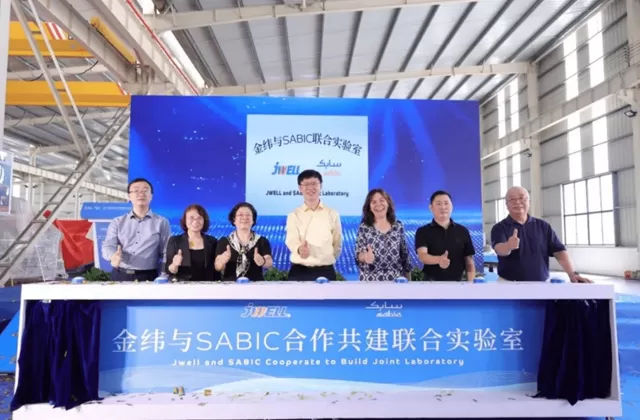
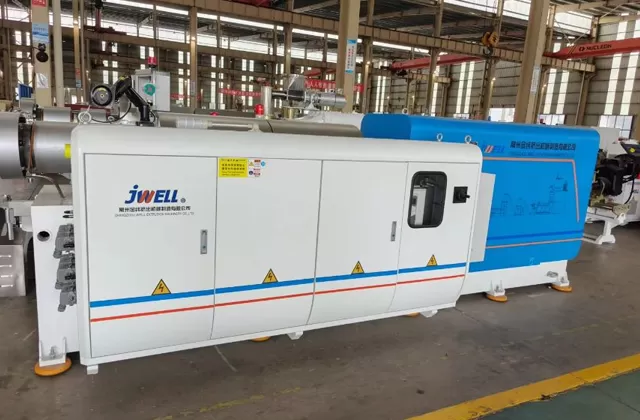
Jwell started manufacturing screws and barrels in 1978, making it one of the earliest screw and barrel manufacturers in China. Its brand, "Jinhailuo", has become well recognized in the industry. In 1997, Jwell was established to begin the production of extrusion machinery. Today, Jwell is the vice president unit of the China Plastics Machinery Industry Association and one of the technology leaders in the extrusion machinery industry.