Plastic waste is an important component of solid waste. According to statistics, the annual production of plastic packaging worldwide is 130 million tons, and 50% of plastic products are disposable items, accounting for about 36% of the total plastic production. However, 79% of recycled plastic waste is buried or directly dumped into the sea, and only 9% is recycled. However, plastic is difficult to degrade in nature due to its unique structural properties. With the widespread application of plastic, the problem of "white pollution" has gradually emerged, and plastic products that are difficult to naturally degrade pose a great threat to the natural environment.
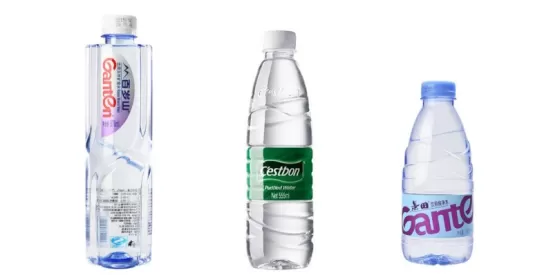
PET is an important component of recyclable waste plastics, accounting for approximately one-third of the total amount of recyclable plastics. However, PET is difficult to completely degrade in nature, and can easily degrade into more harmful "microplastics" under external conditions such as ultraviolet light, biological free radicals, and seawater.
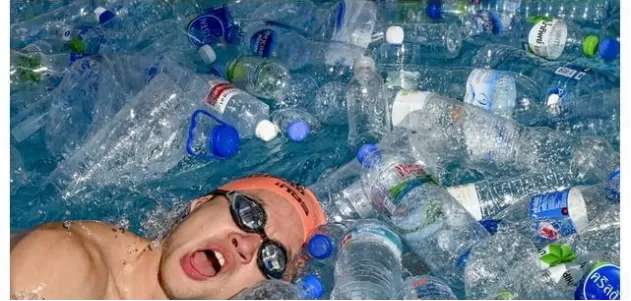
In 2014, Richard Thompson from Plymouth University first reported on the issue of microplastics in the ocean and their potential hazards. With the increasing severity of white pollution, countries around the world have successively introduced a series of laws and regulations to restrict the arbitrary disposal of plastic waste and regulate the recycling and utilization of plastic waste. Researchers, government officials, and business owners from around the world have also actively participated in this' environmental defense war '.
In recent years, a large number of advanced technologies and large-scale projects for recycling PET have emerged. At present, the main recycling methods for waste PET plastics include physical methods, chemical methods, and biological methods (enzymatic hydrolysis).
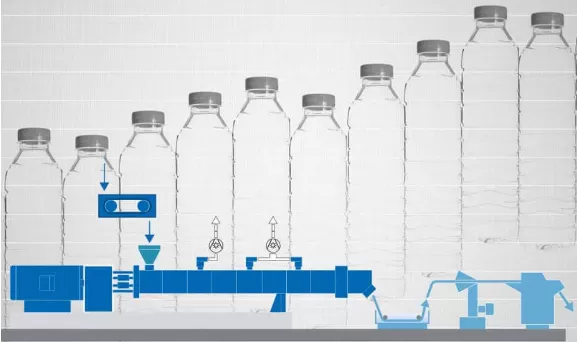
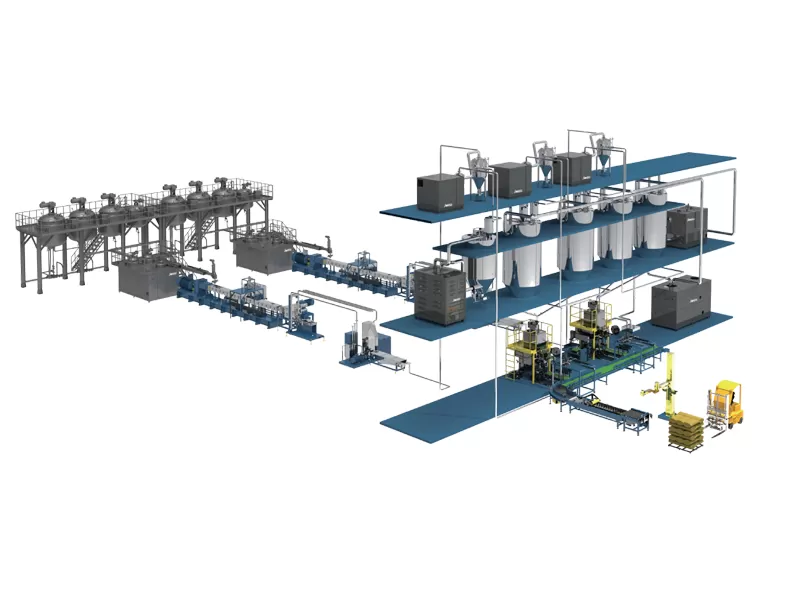
Physical recycling of PET is an effective recycling method, which involves collecting and sorting waste PET for cleaning. Separate impurities such as PP bottle caps, PVC bottle labels (some of which are made of aluminum or paper), and adhesives from PET bottles, and then crush, wash, dry, and pelletize the cleaned waste PET to obtain clean PET bottle flakes.
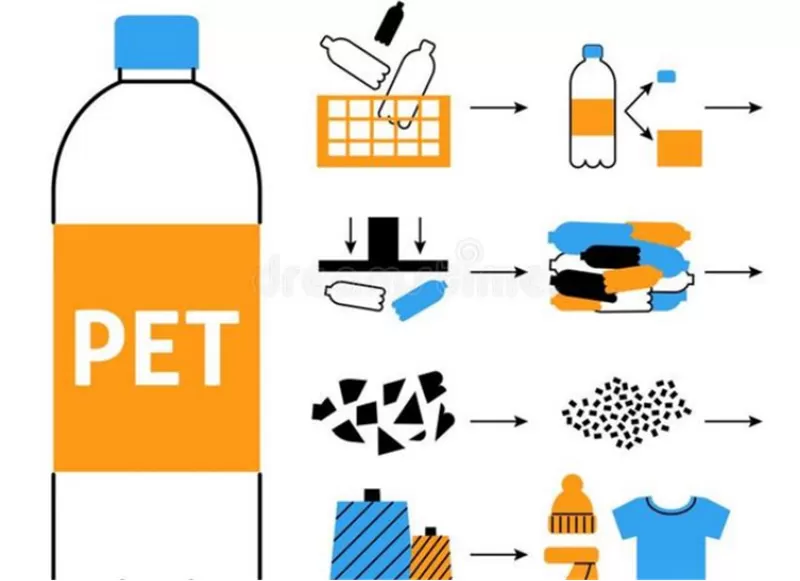
This method of recycling is relatively simple, requiring only physical means to separate and crush waste PET. And this recycling method does not involve chemical reactions, does not produce additional harmful substances, and is environmentally friendly. And the recycling process is relatively inexpensive, which can be used for secondary processing to produce plastic products, as well as modified granulation spinning for fabric production.
German engineering company BB Engineering (BBE) has combined its VacuFil recycling process with the VarioFil direct spinning system to create a one-step recycling inline direct spinning process, which recycles post consumer PET waste and PET industrial production waste and spins them online into pre oriented yarn (POY) or fully stretched yarn (FDY).
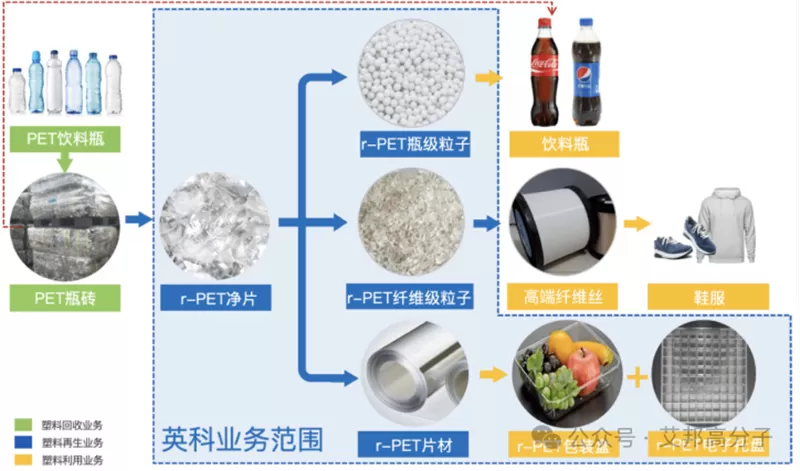
However, physical methods also have certain limitations: physical recycling methods can only perform simple separation and granulation of waste PET polyester. During the melting process of waste PET, harmful substances such as acetaldehyde may remain, and as the number of PET recycling cycles increases, the molecular weight, viscosity, and other physical and chemical properties of the recycled PET will significantly decrease. Therefore, the recycled materials can often only be used to manufacture lower end products.
Chemical method
Chemical recycling of PET refers to the complete or partial degradation of waste PET materials into raw chemical materials (usually reactive monomers or oligomers) through chemical methods, achieving recycling. Usually including hydrolysis, amine hydrolysis, alcoholysis, etc., chemical recovery methods can obtain a wide variety of depolymerization products due to their various depolymerization agents combined with different reaction conditions. They can be used as chemical raw materials to re-enter the industrial cycle, thereby reducing the consumption of fossil materials and promoting energy conservation and emission reduction.
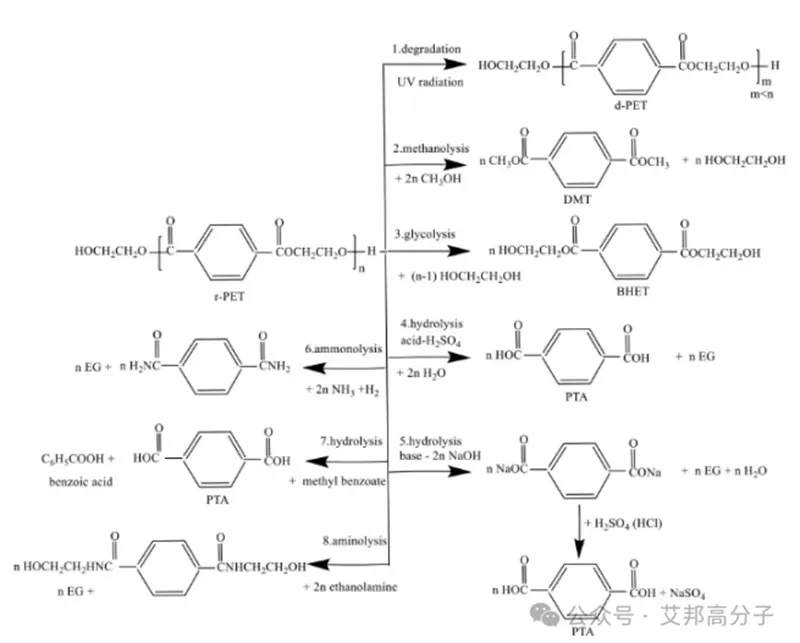
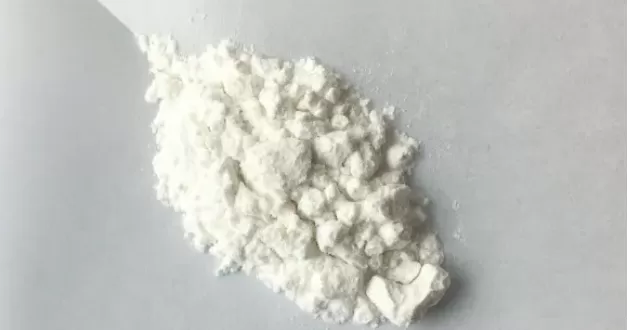
Under normal temperature and pressure, PET is difficult to hydrolyze. Hydrolysis degradation of PET usually refers to the degradation of PET to produce terephthalic acid (TPA) and ethylene glycol (EG) at a certain temperature and pressure. This method can effectively avoid the use of organic solvents, and the operation is relatively simple, making the separation and purification of products more convenient. According to different hydrolysis environments, it can be divided into acidic hydrolysis method, alkaline hydrolysis method, and neutral hydrolysis method.
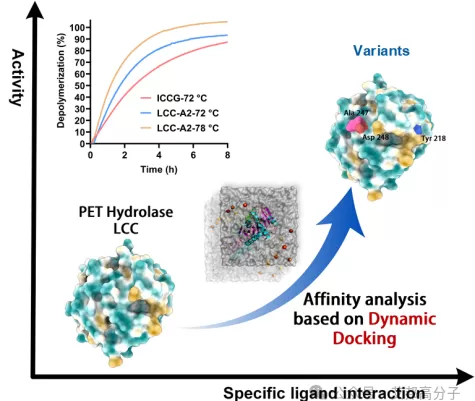
Biological degradation of PET is the use of PET degrading enzymes isolated and identified from microorganisms to hydrolyze PET macromolecules into chemical raw materials such as mono (2-hydroxyethyl) phthalate, TPA, EG, etc. This not only solves the environmental pressure caused by waste PET, but also optimizes resources and is more environmentally friendly. The biodegradation method is currently not mature, and the activity and stability of PET degrading enzymes need to be improved. However, the bio-degradation of PET is more environmentally friendly, and these studies provide research ideas for the efficient bio-degradation of PET in the future.
The recycling and utilization of waste plastics has become a key link in energy conservation, carbon reduction, and environmental ecological governance. Through in-depth research on PET recycling technology, it can be found that technological innovation and industrialization have greatly improved the efficiency and benefits of PET recycling. Not only does it help reduce the environmental pollution caused by waste PET, but it also promotes energy conservation and carbon reduction through resource utilization.
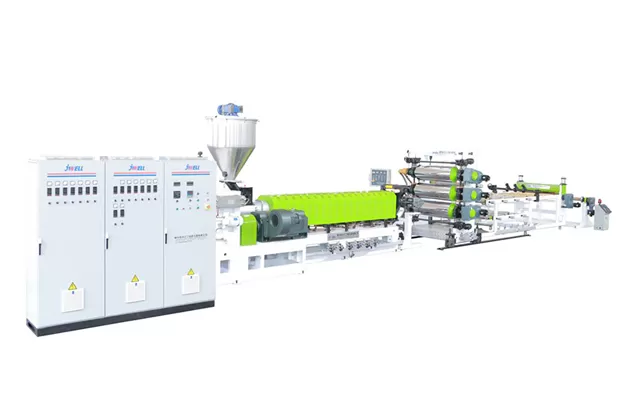
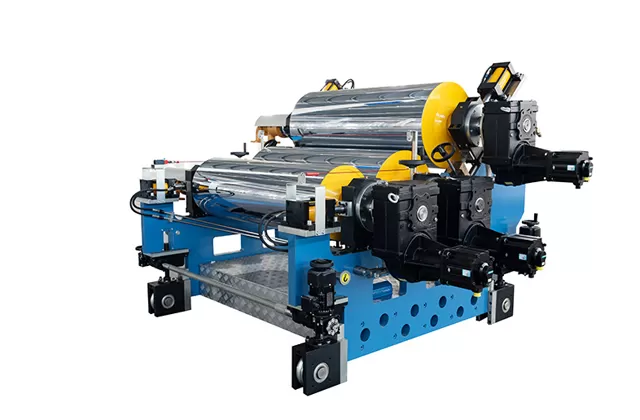
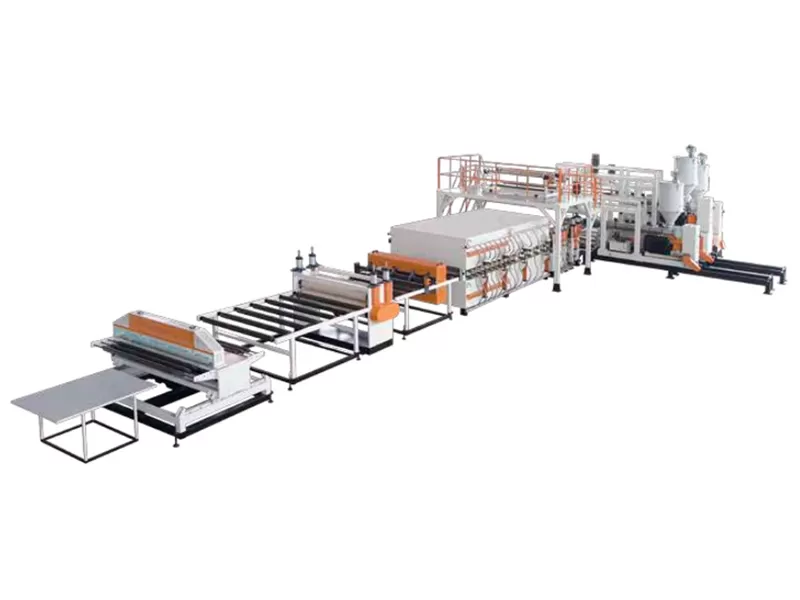
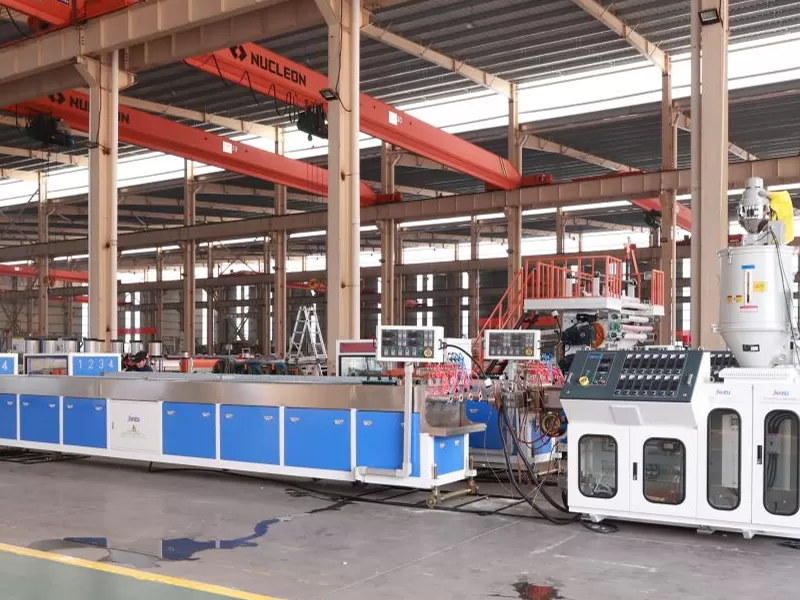
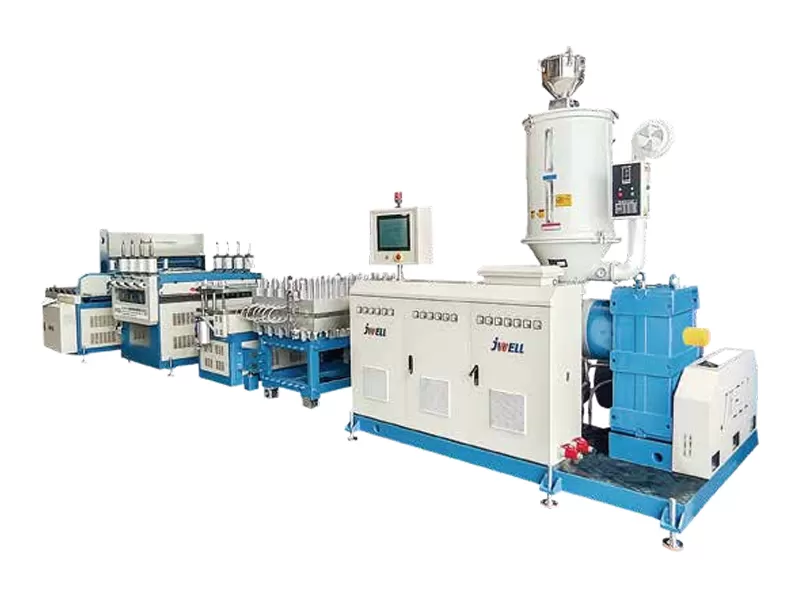
Jwell started manufacturing screws and barrels in 1978, making it one of the earliest screw and barrel manufacturers in China. Its brand, "Jinhailuo", has become well recognized in the industry. In 1997, Jwell was established to begin the production of extrusion machinery. Today, Jwell is the vice president unit of the China Plastics Machinery Industry Association and one of the technology leaders in the extrusion machinery industry.