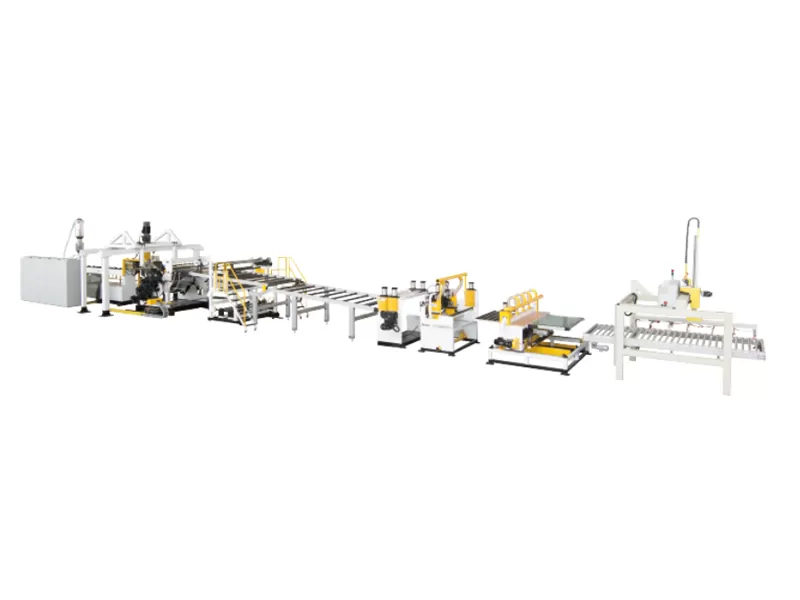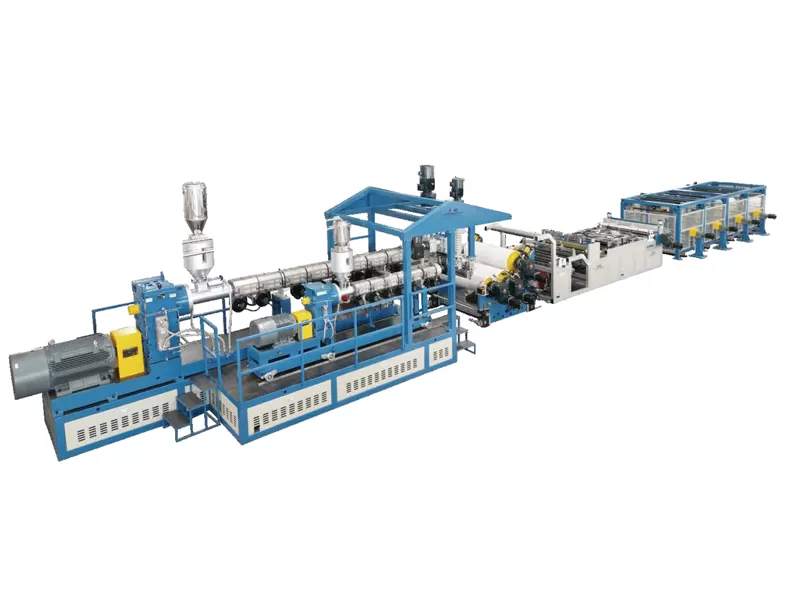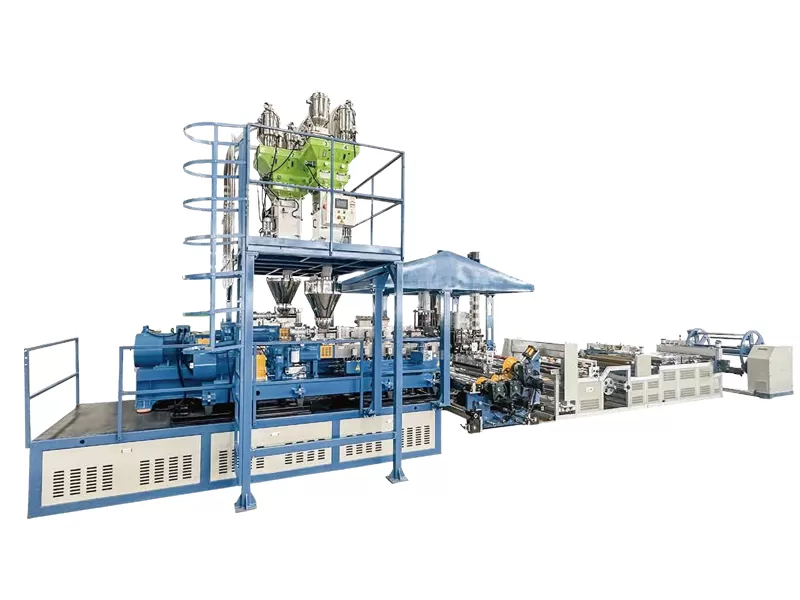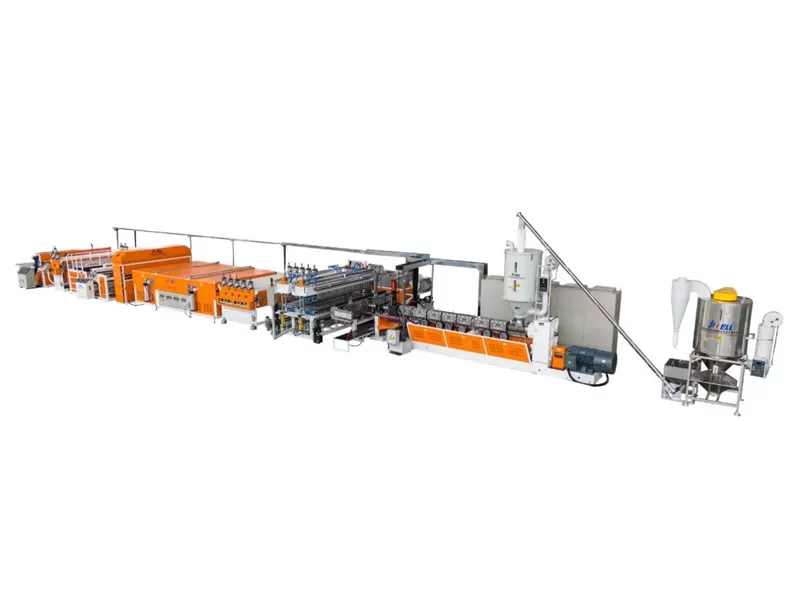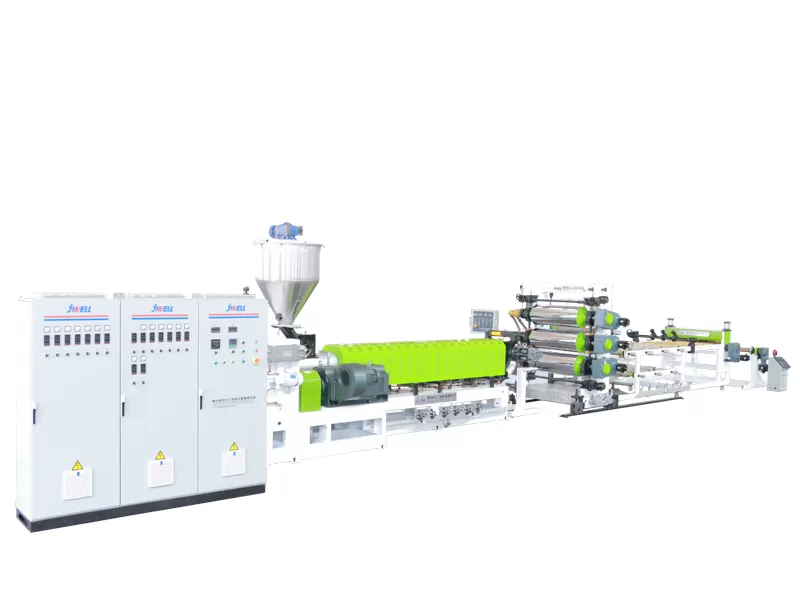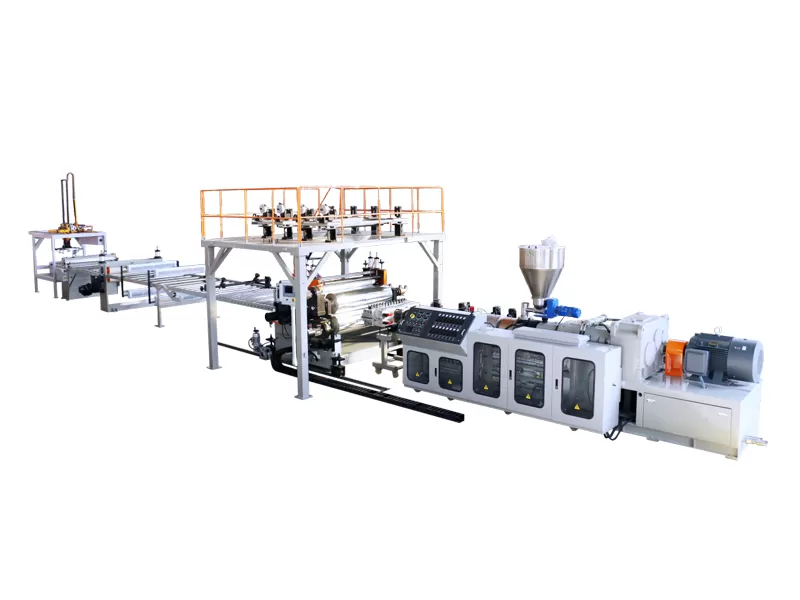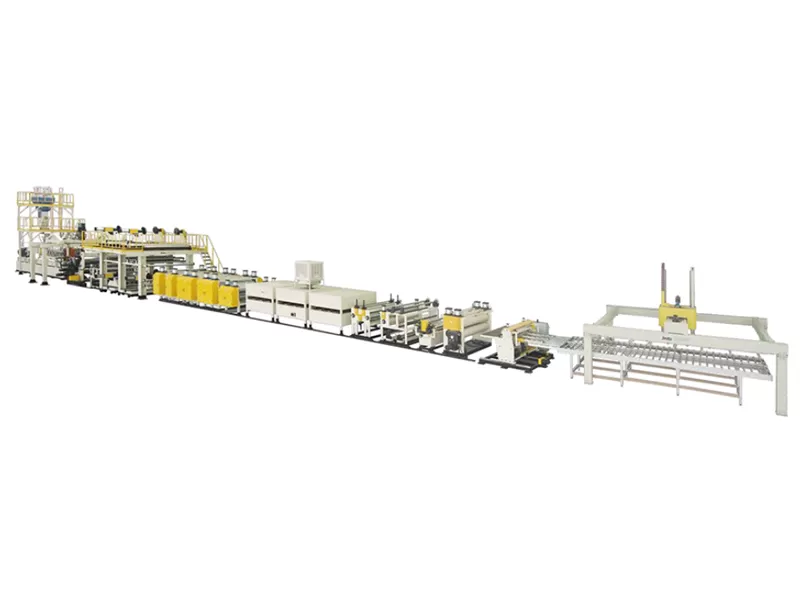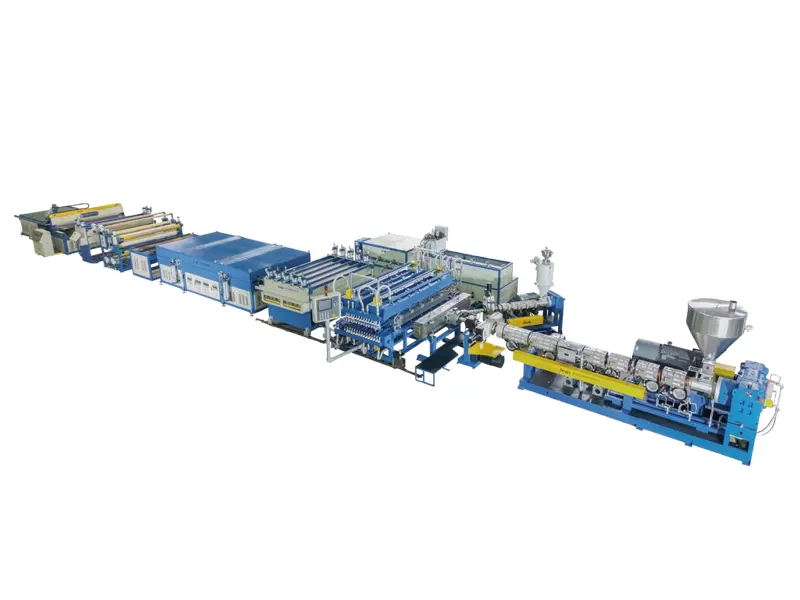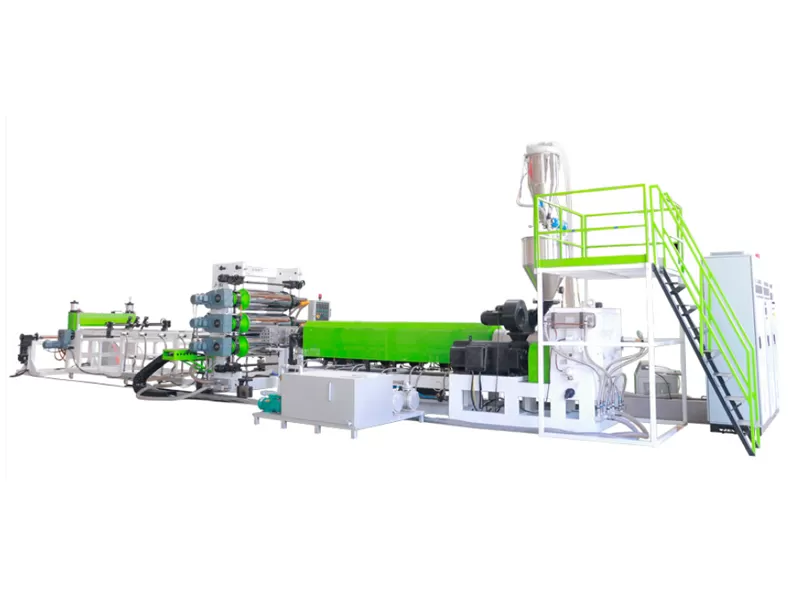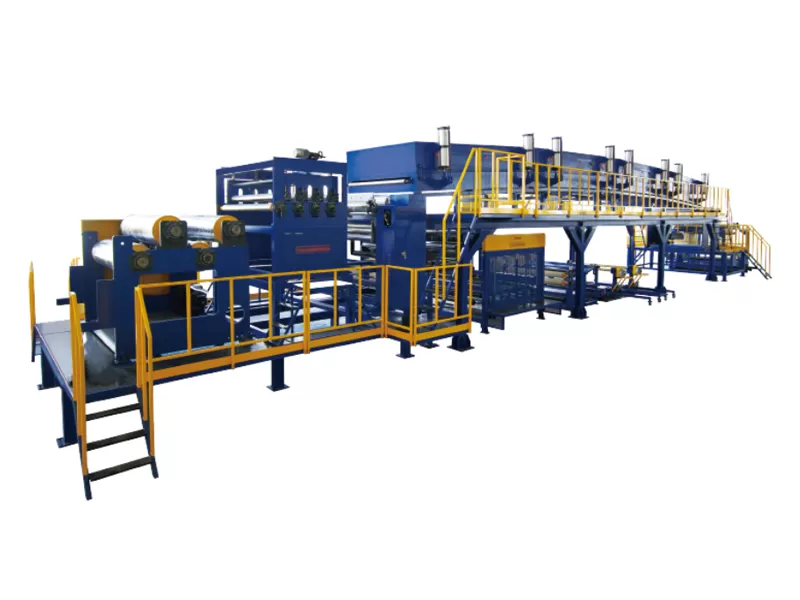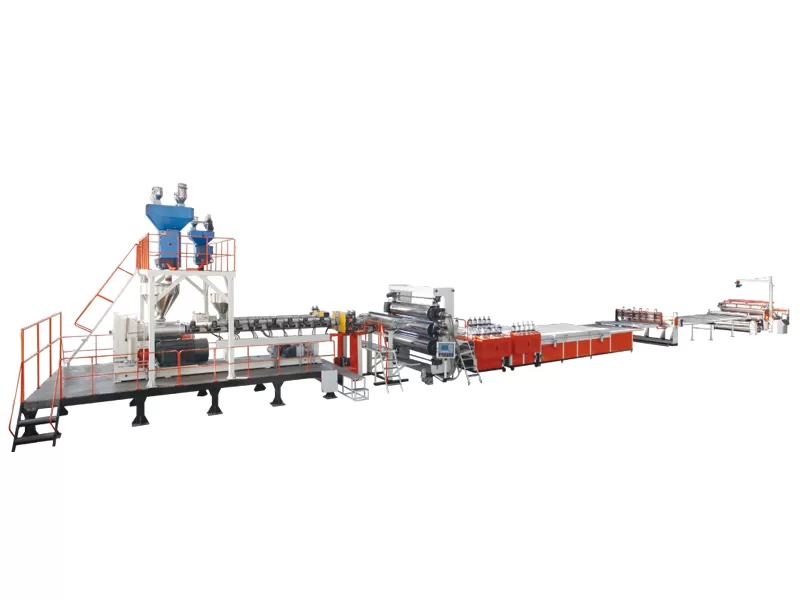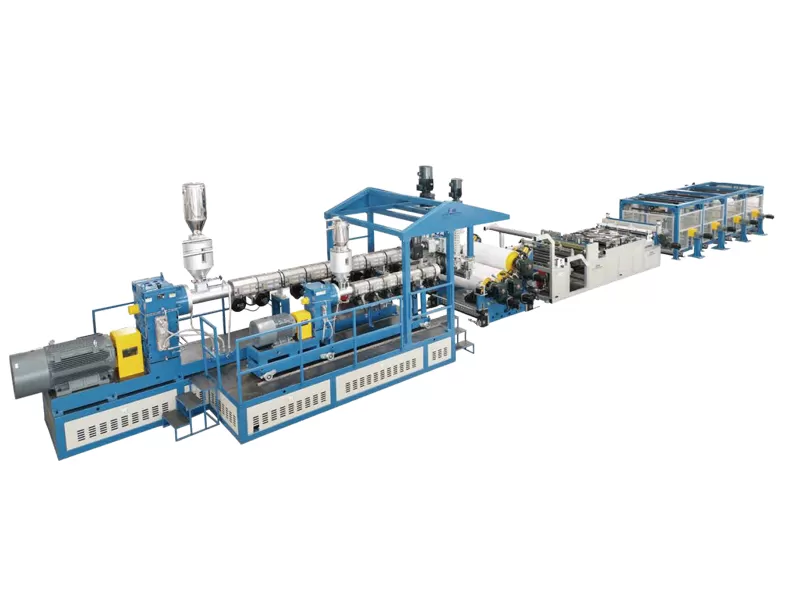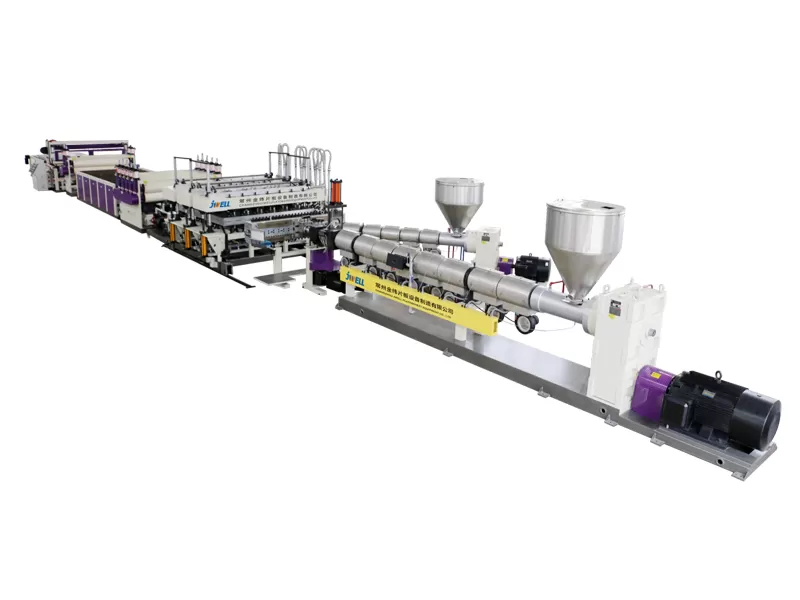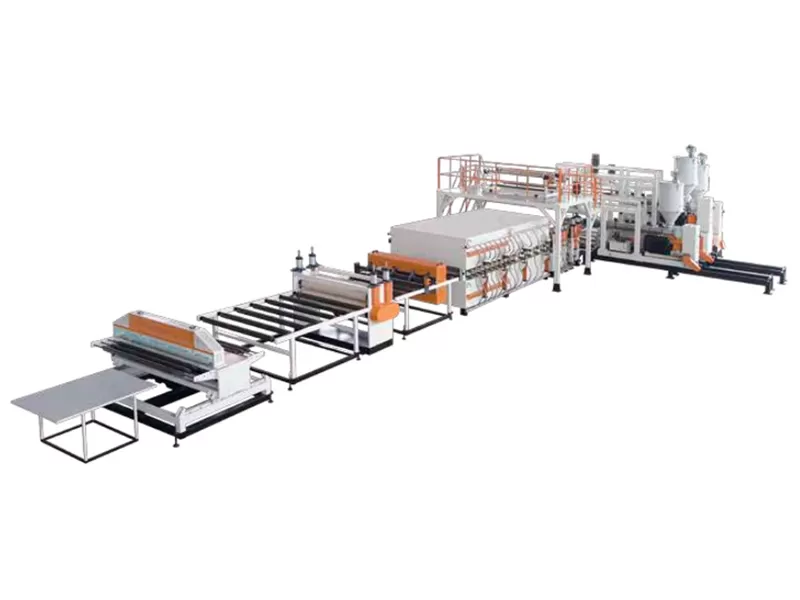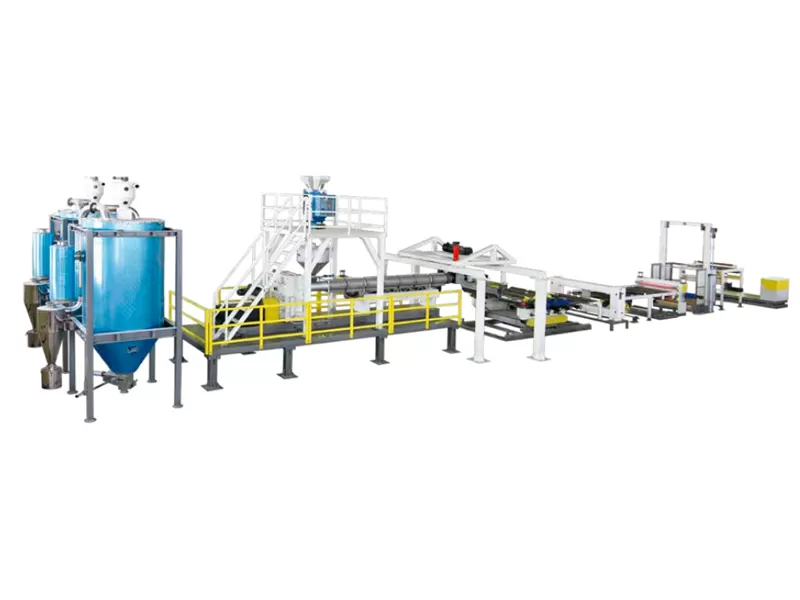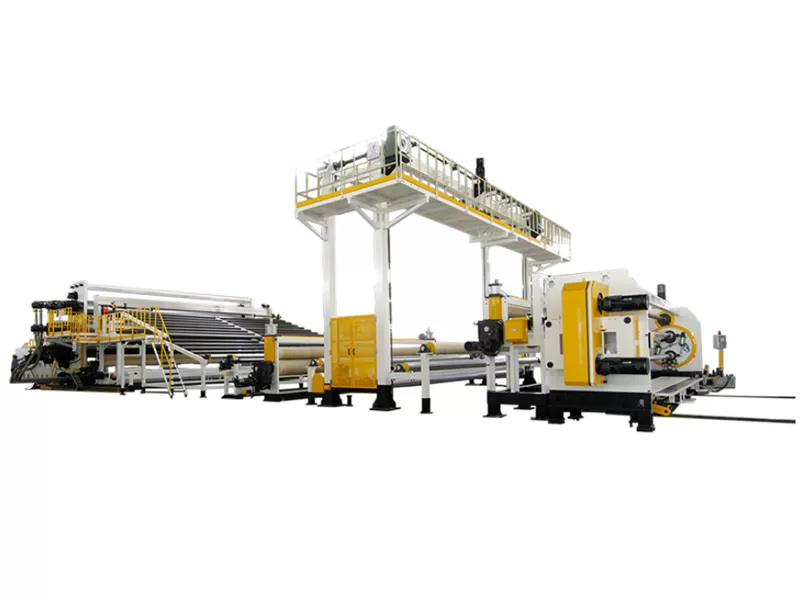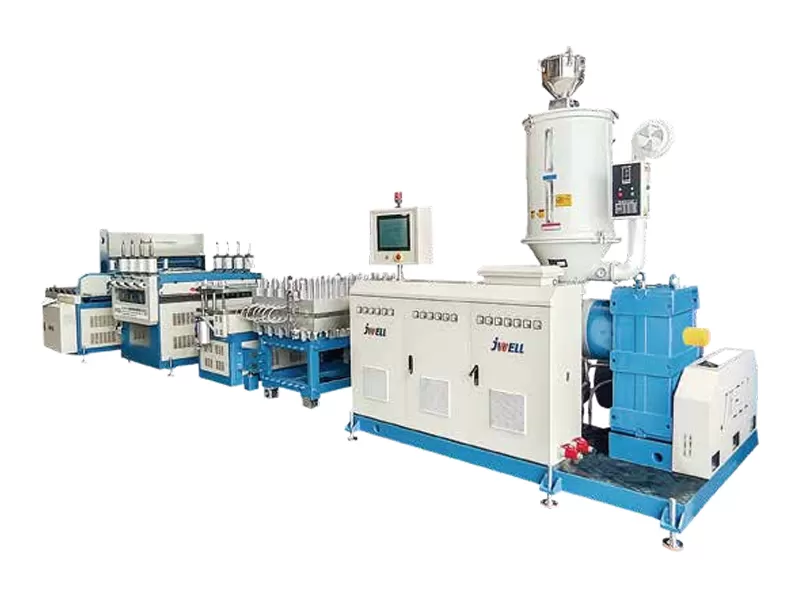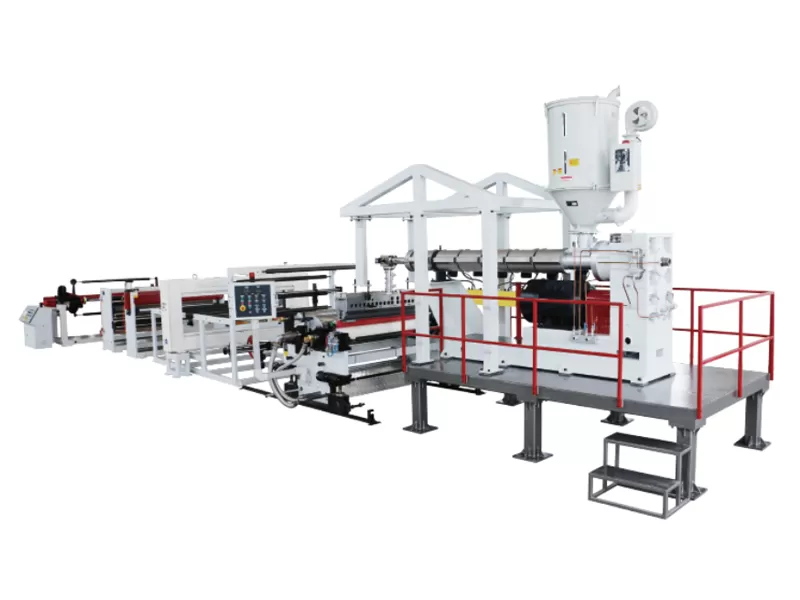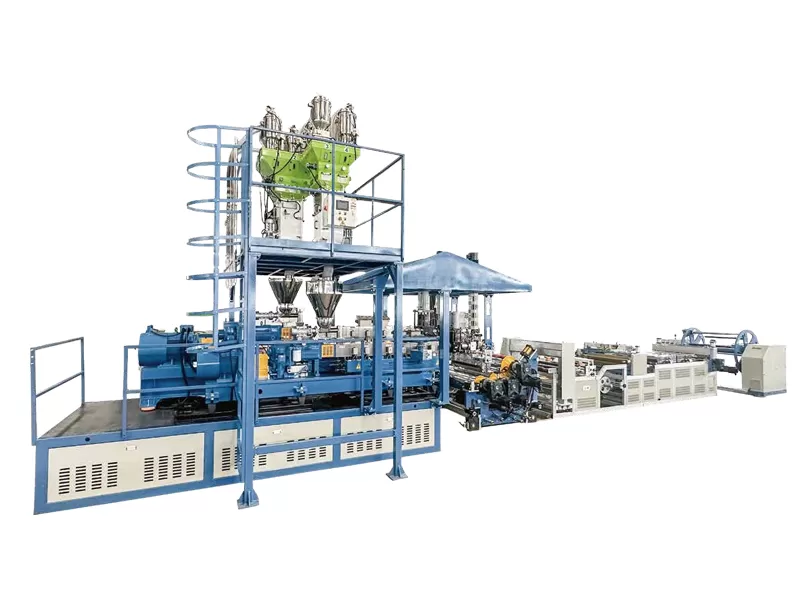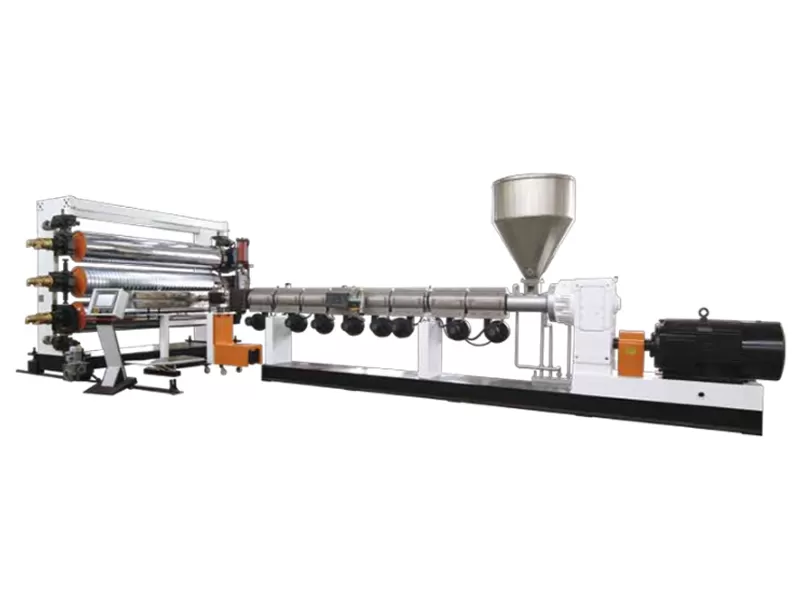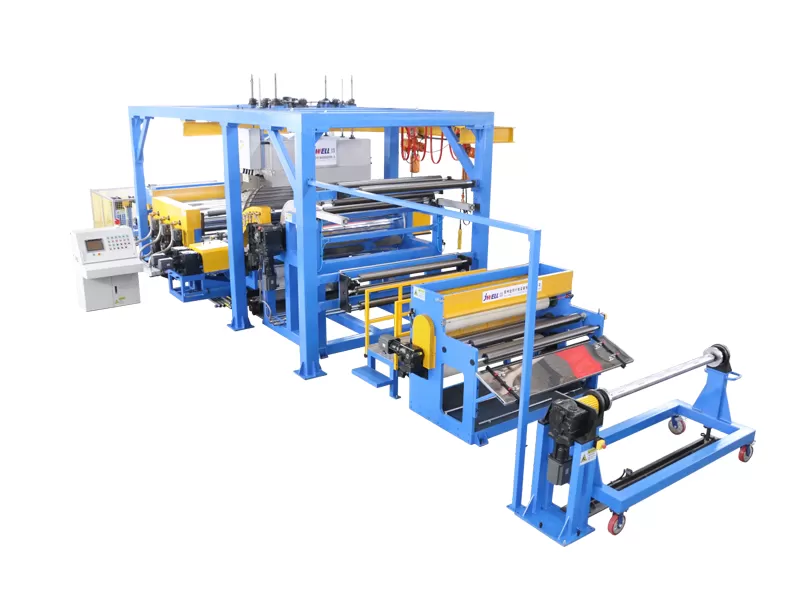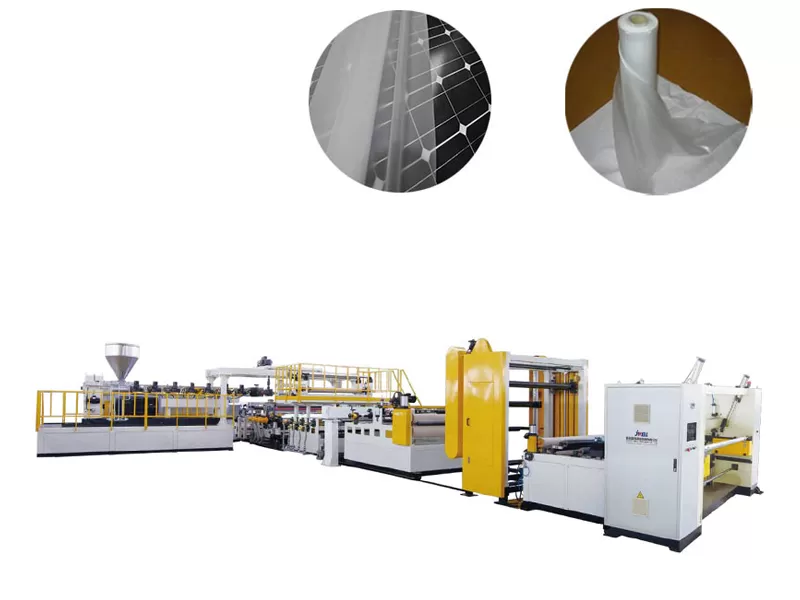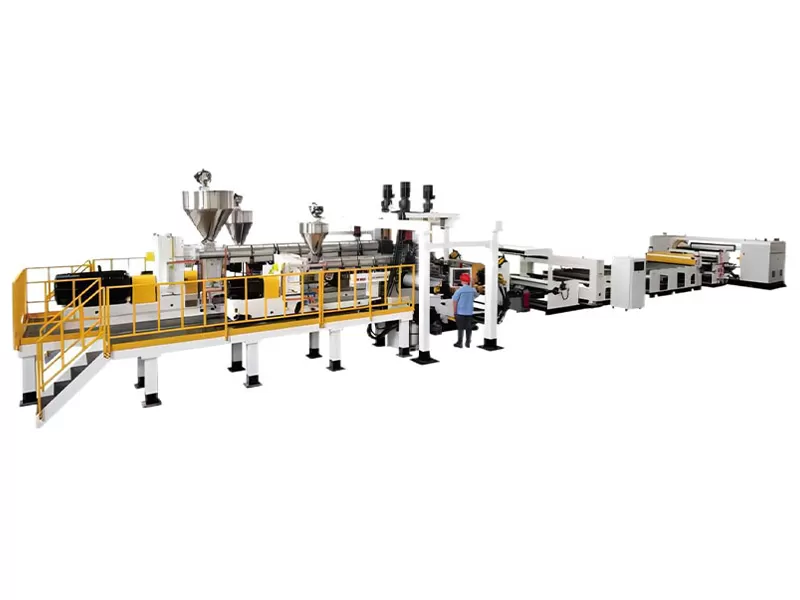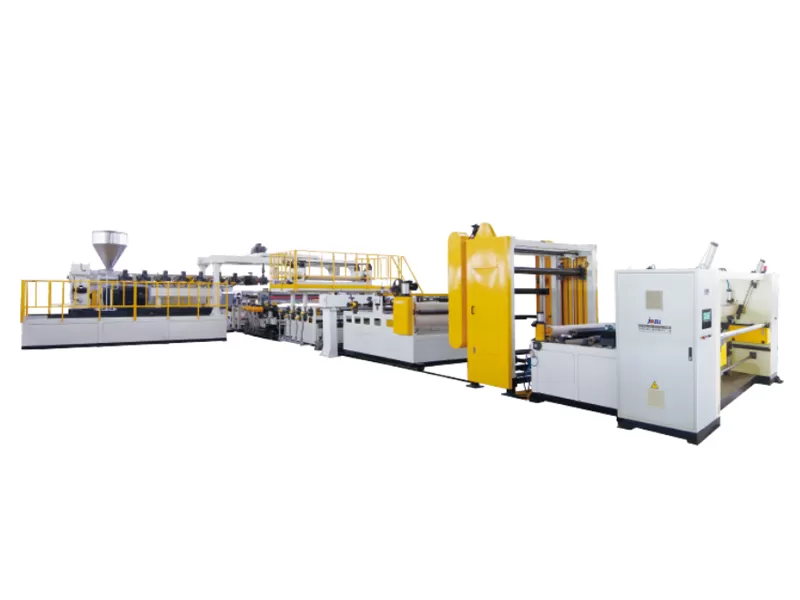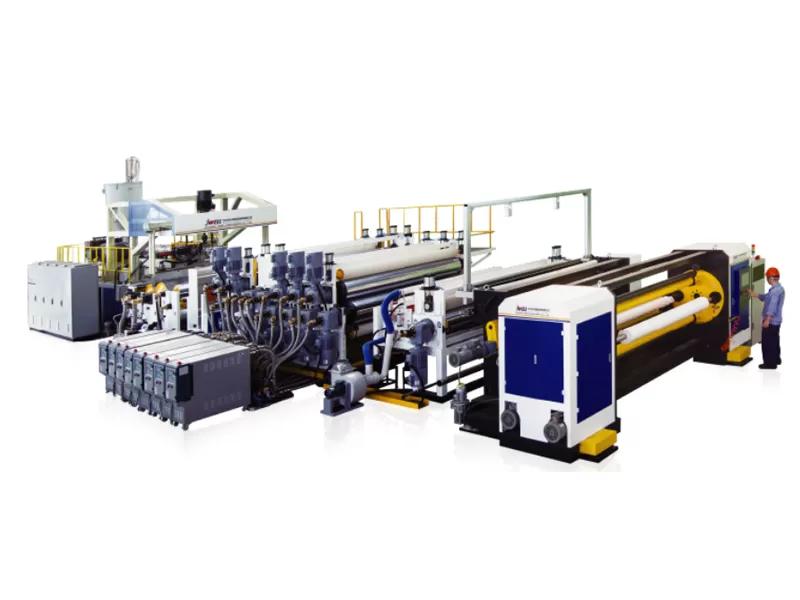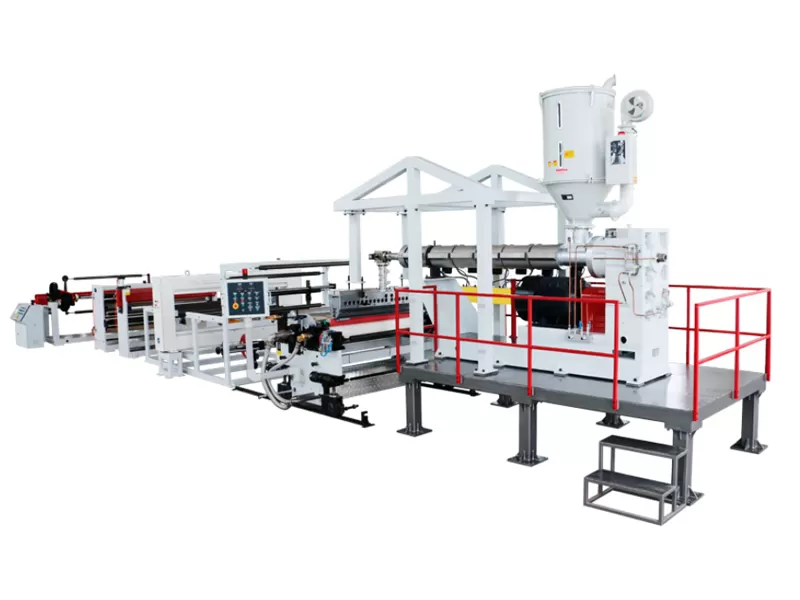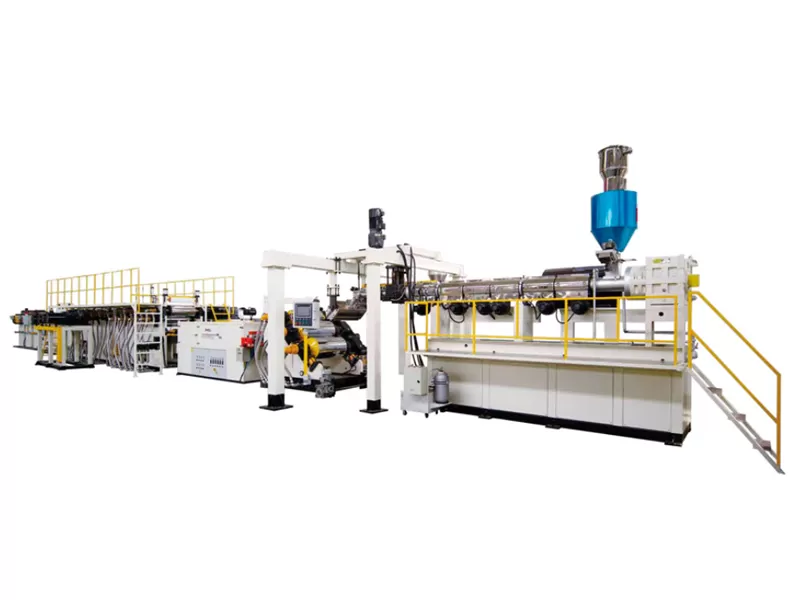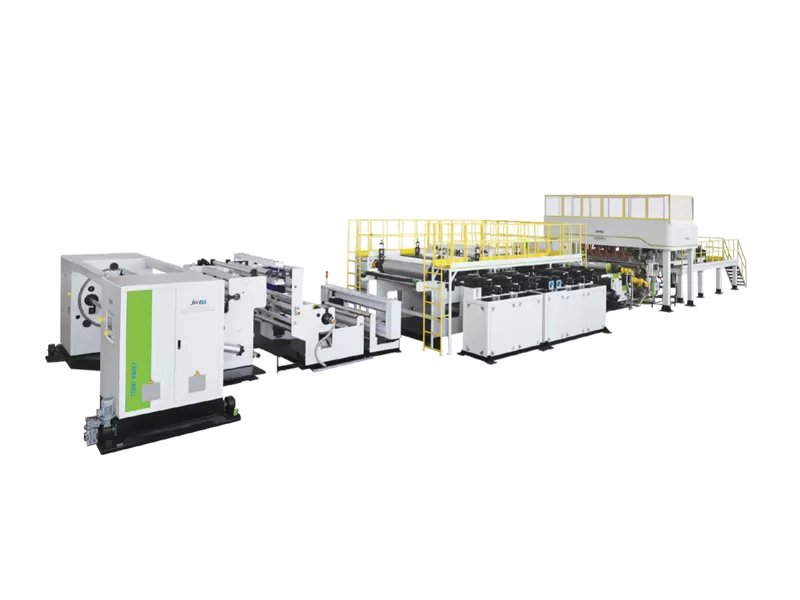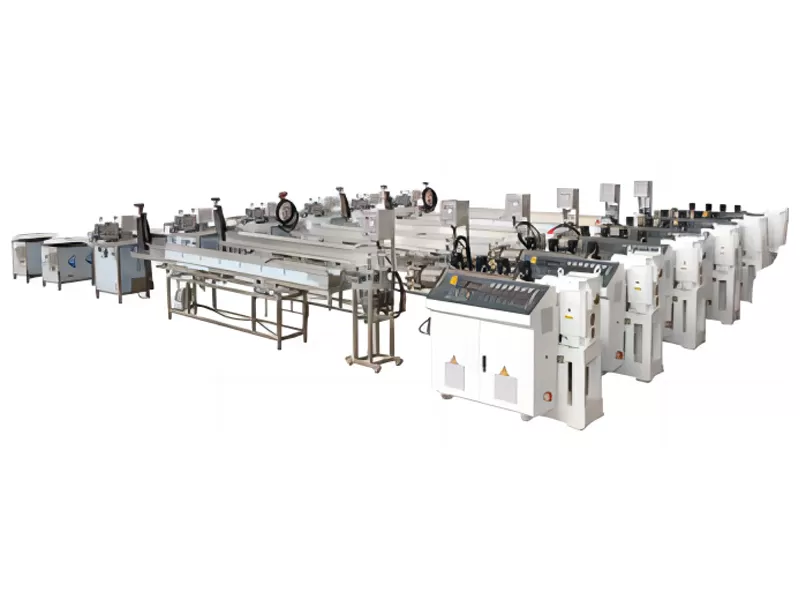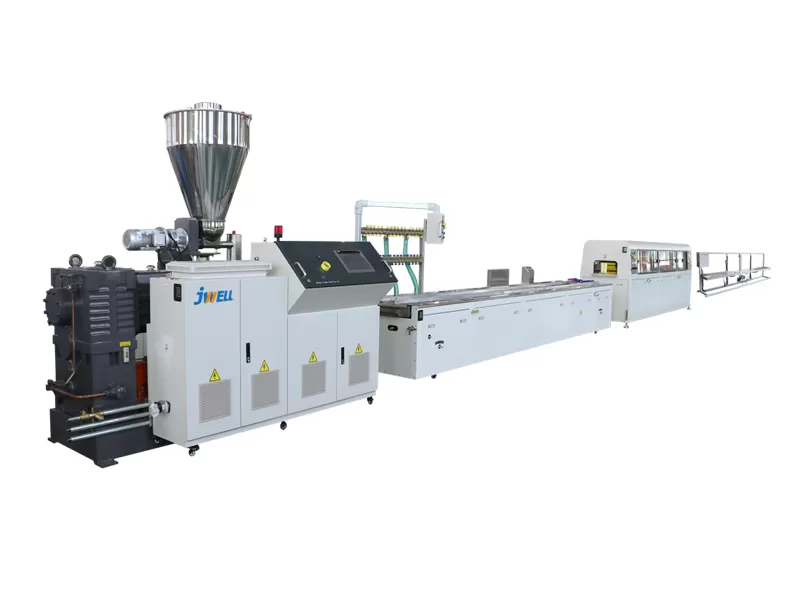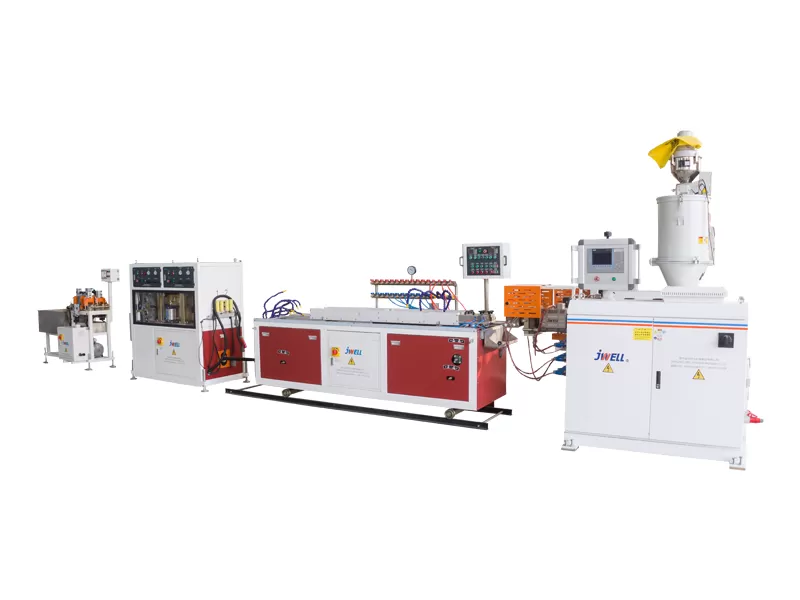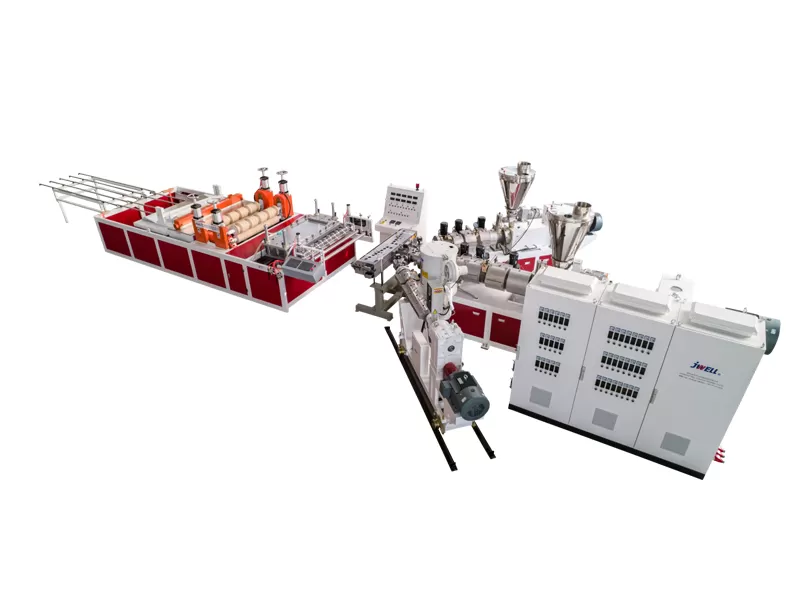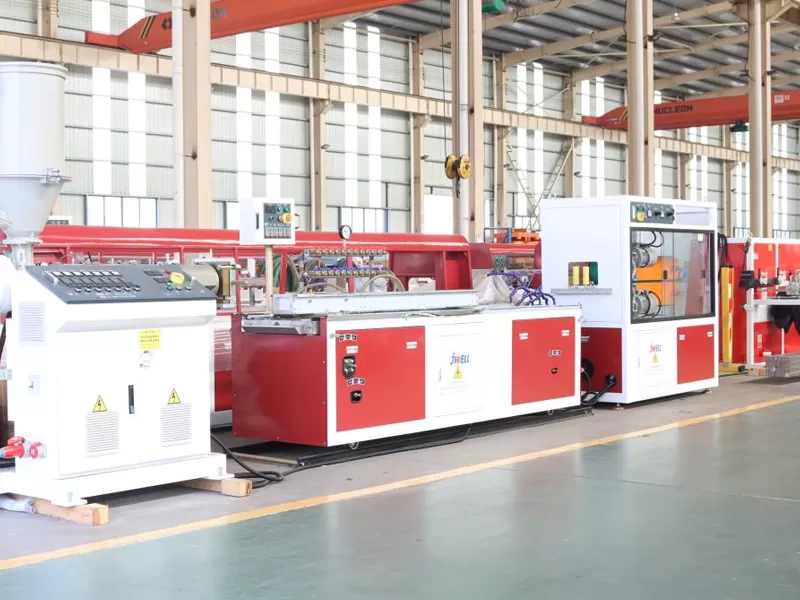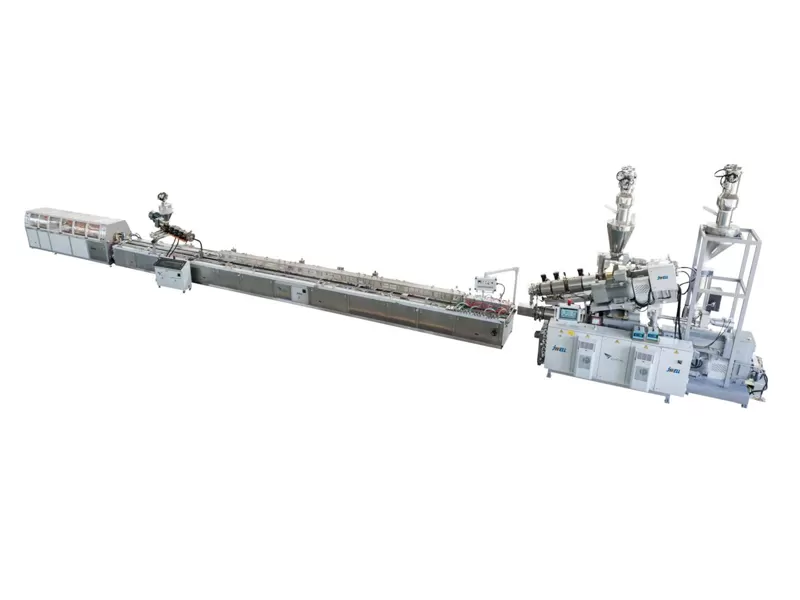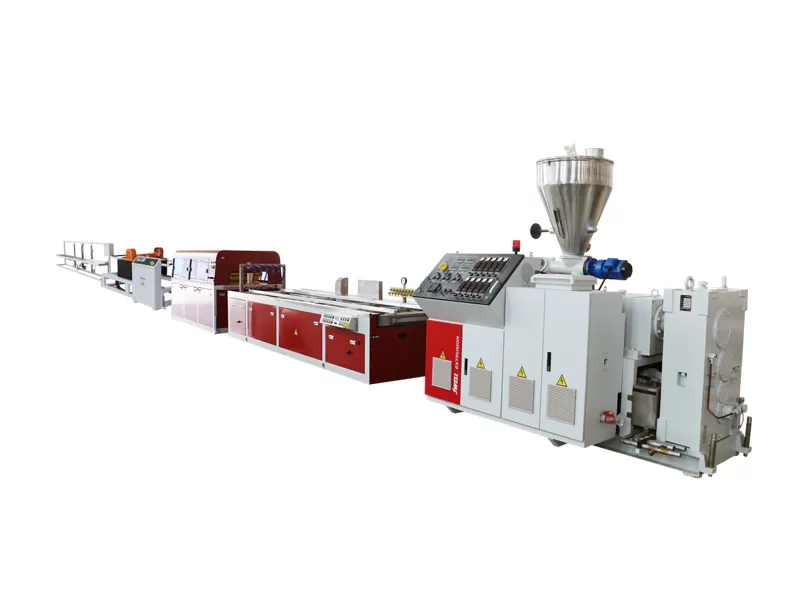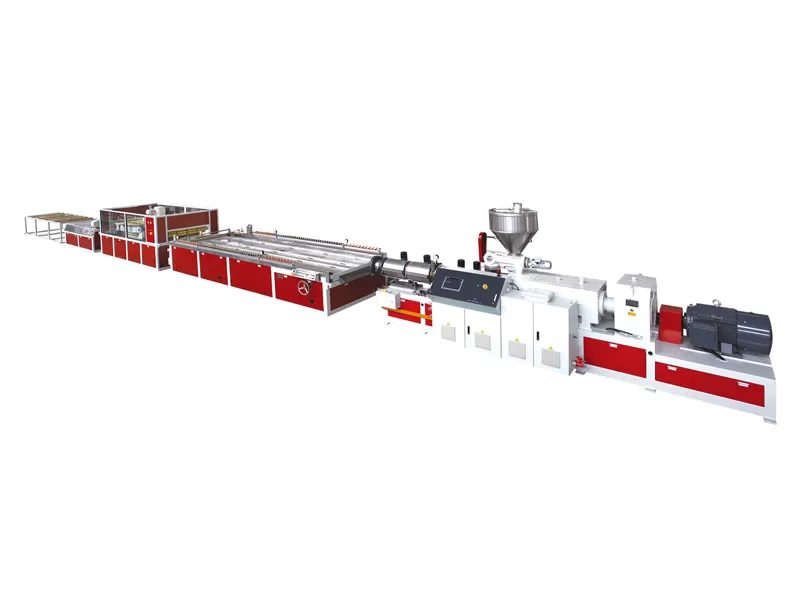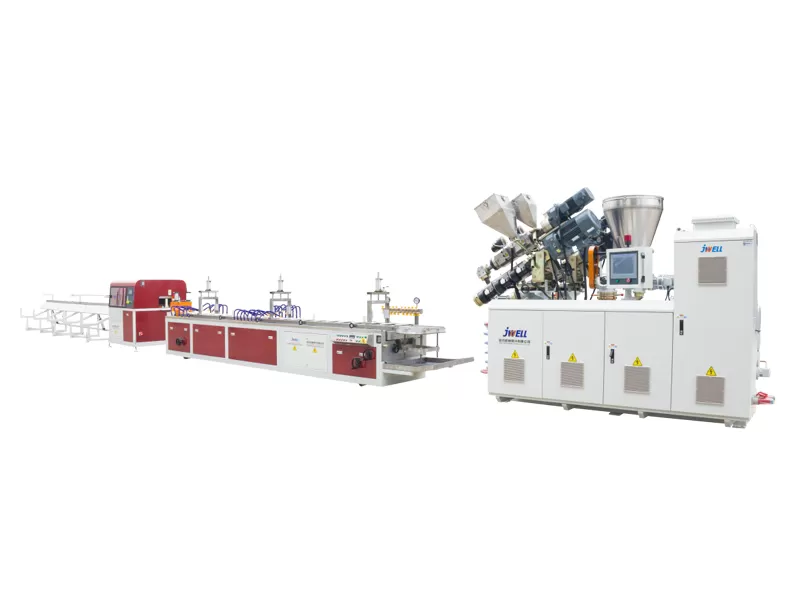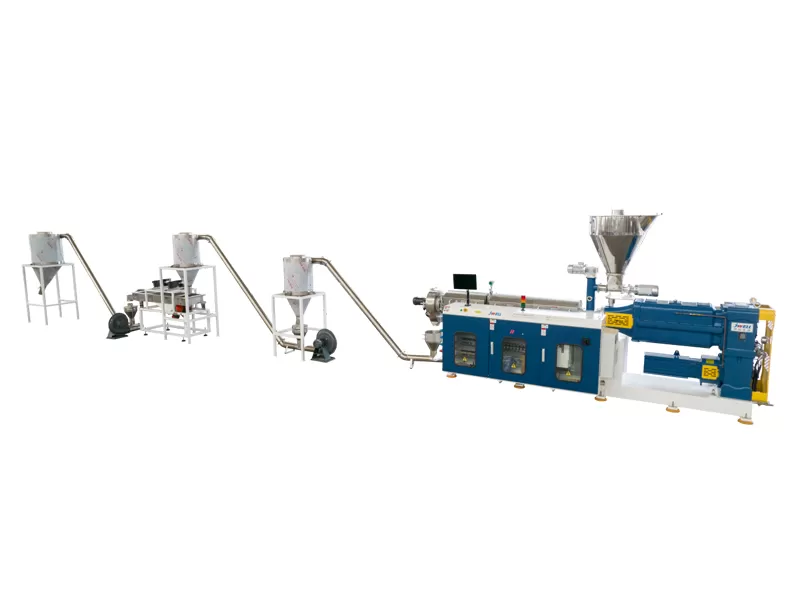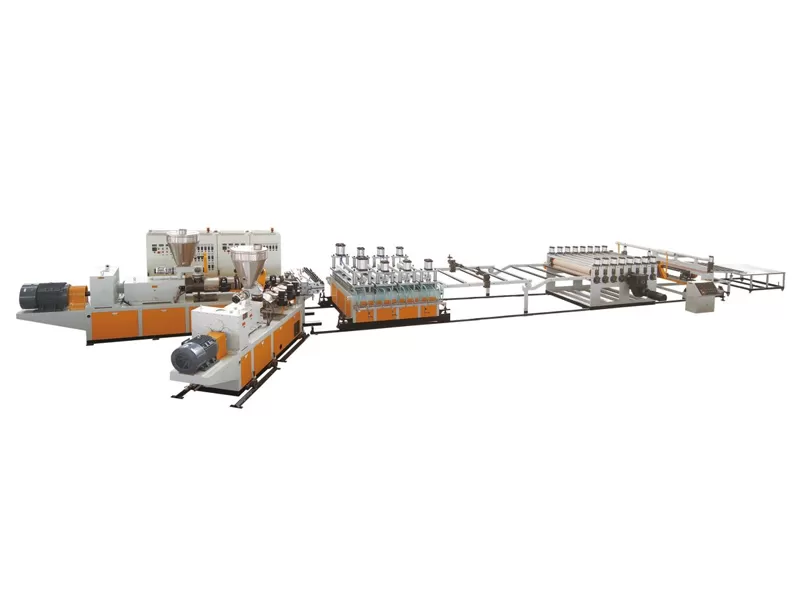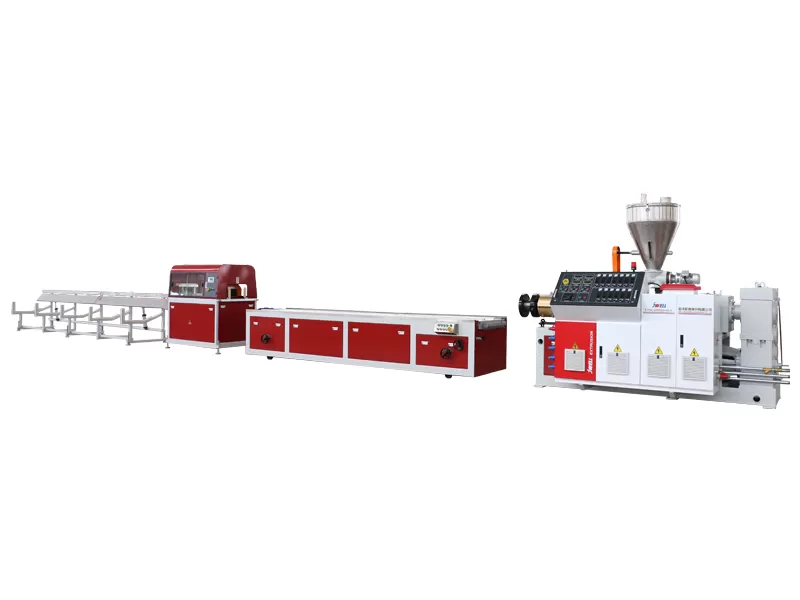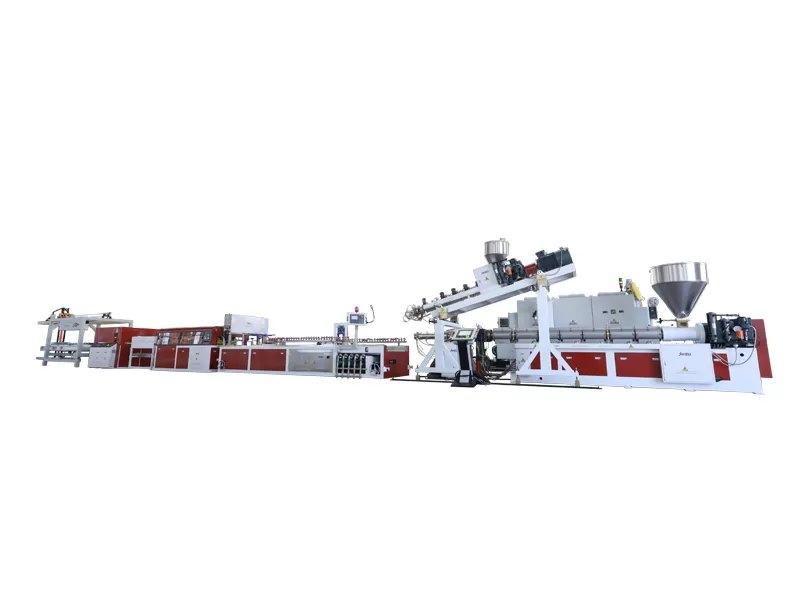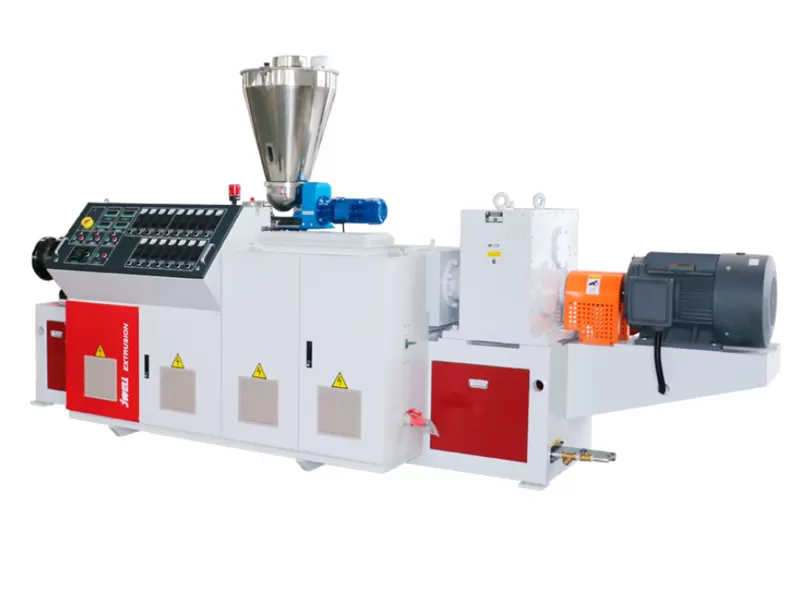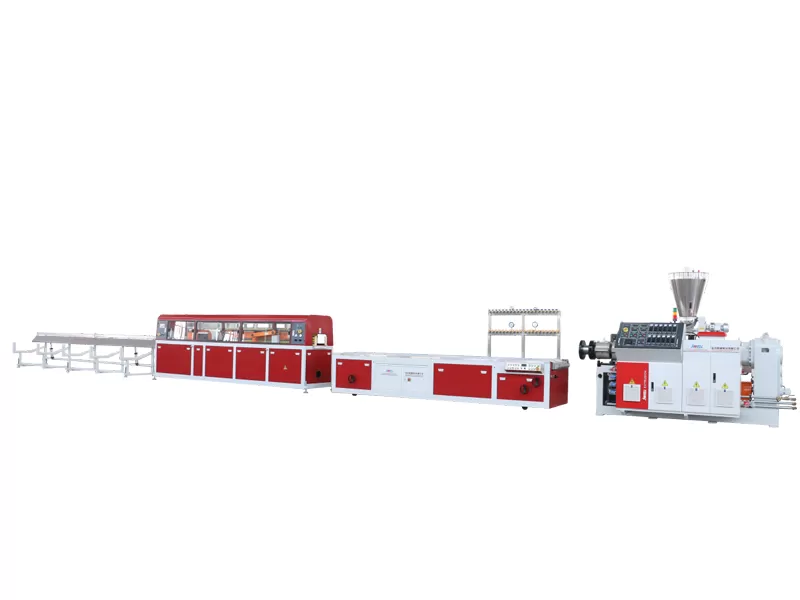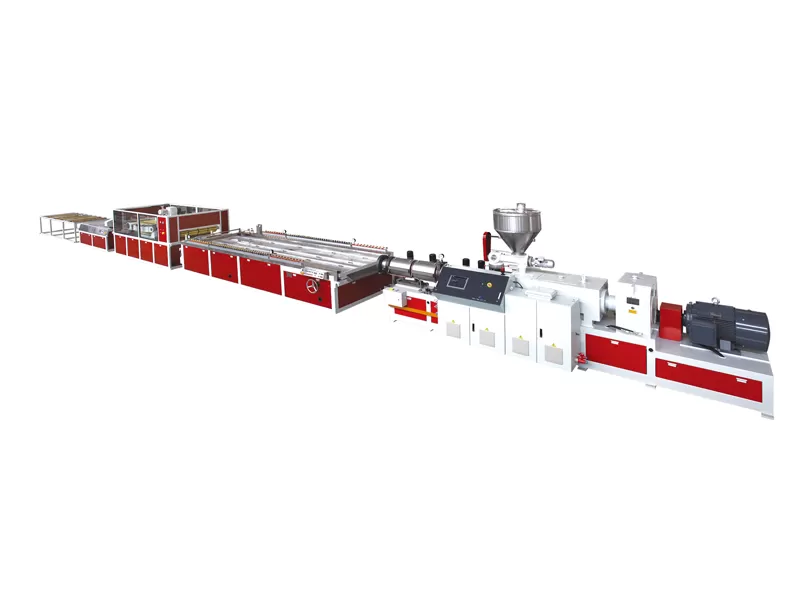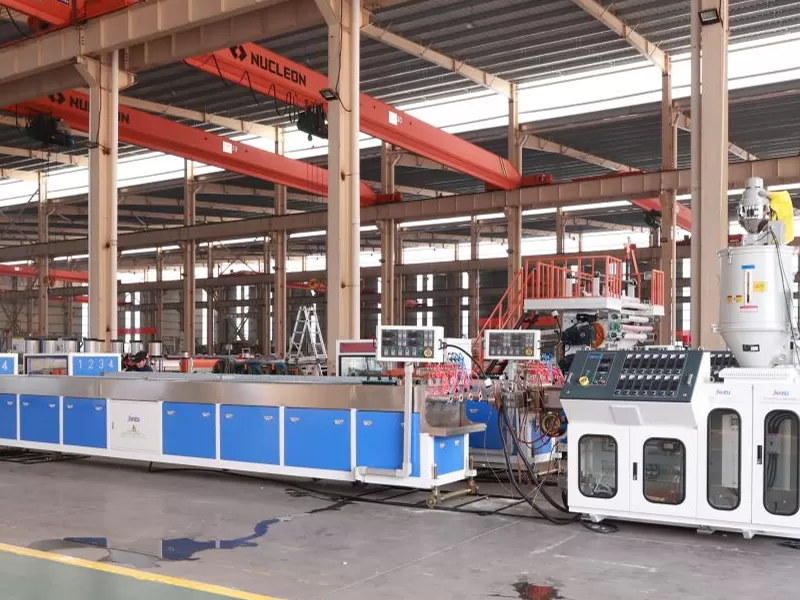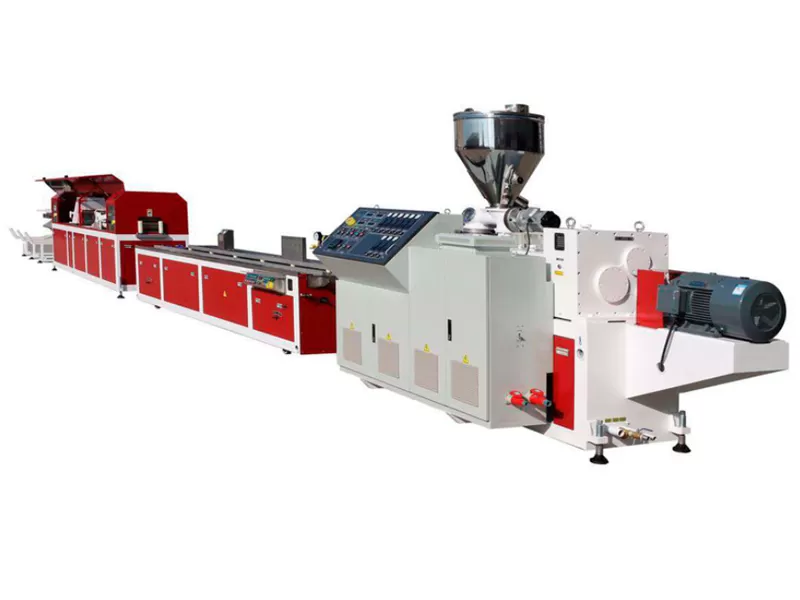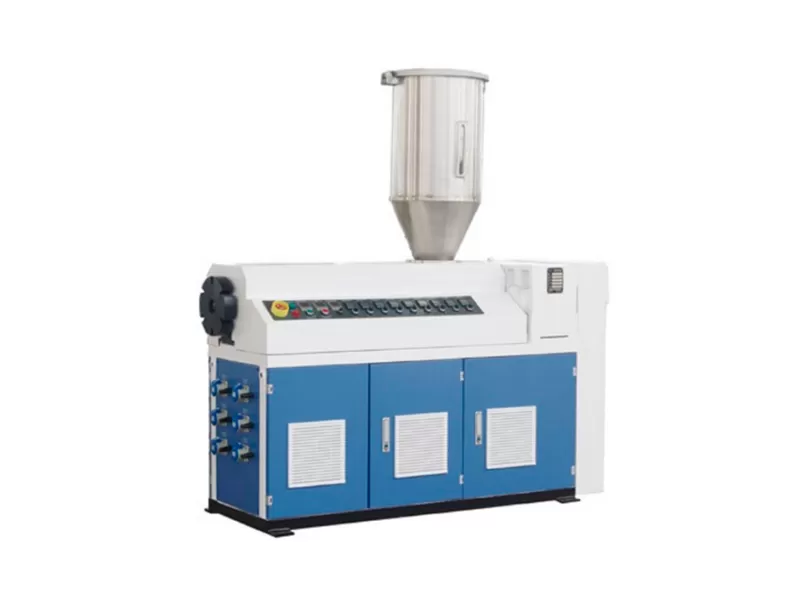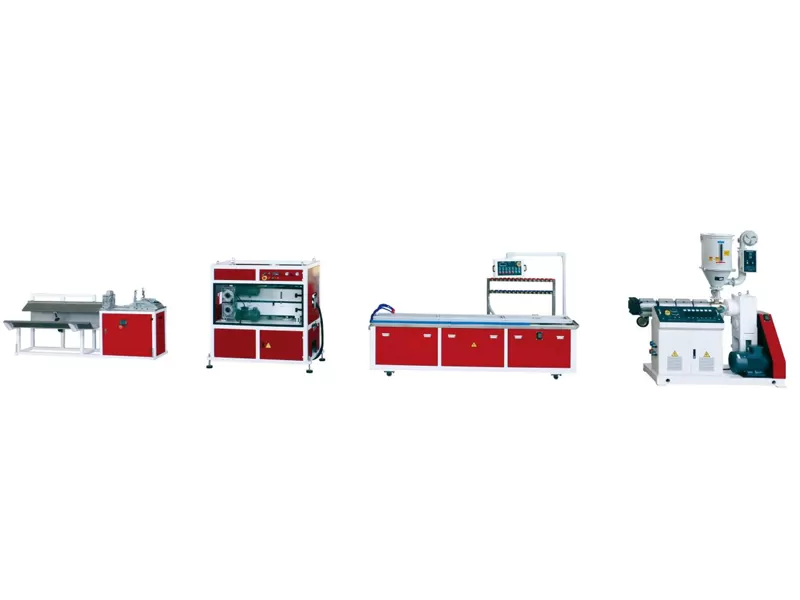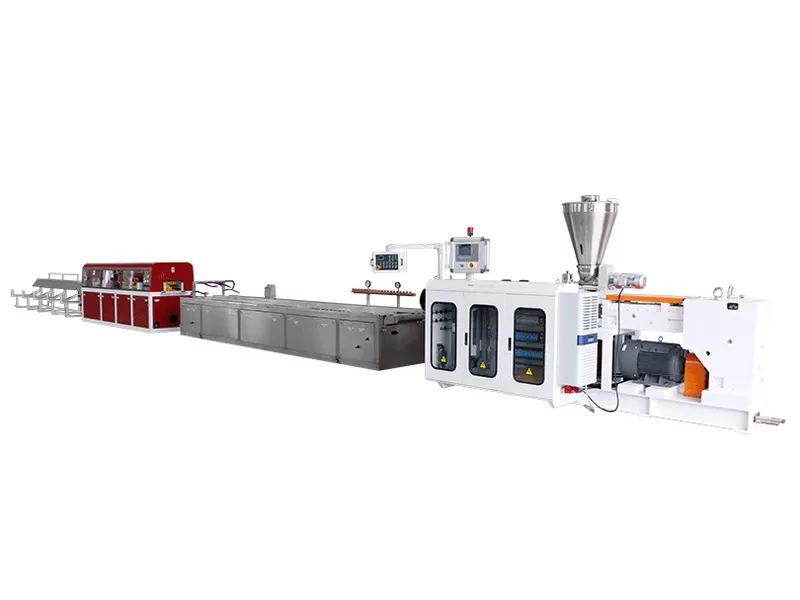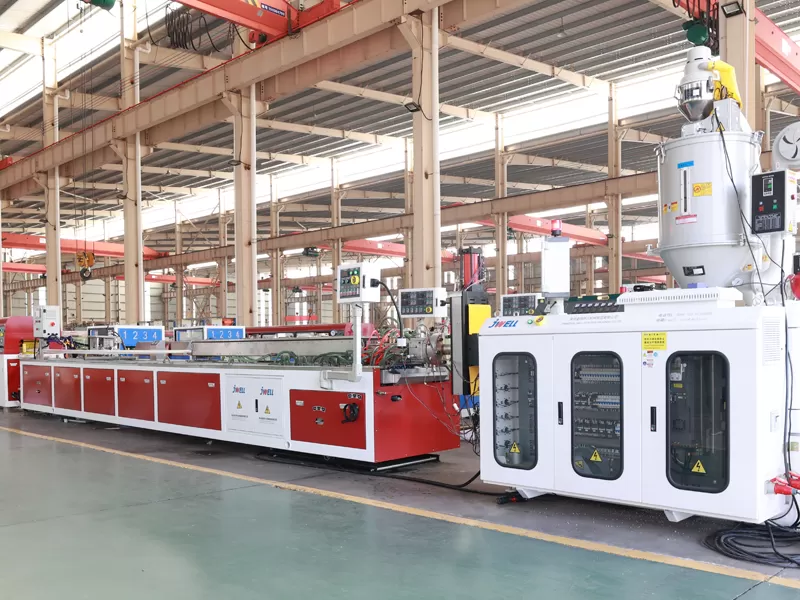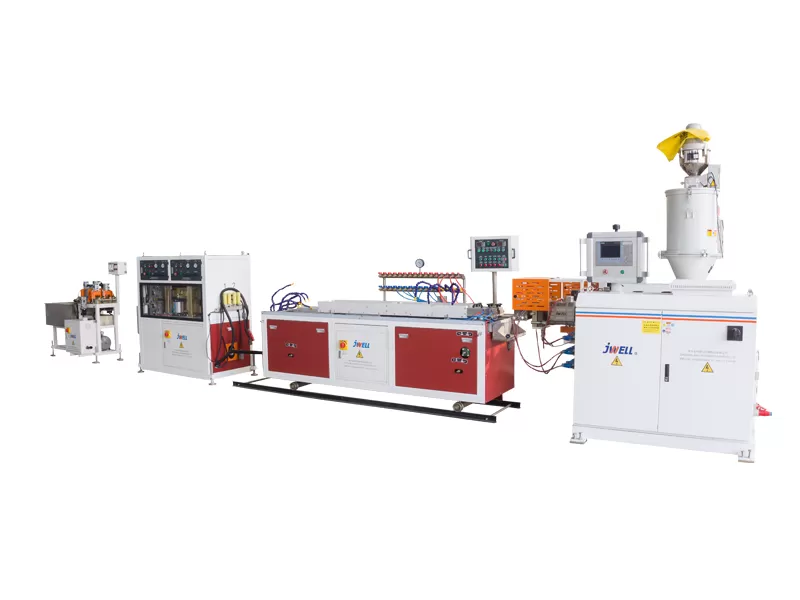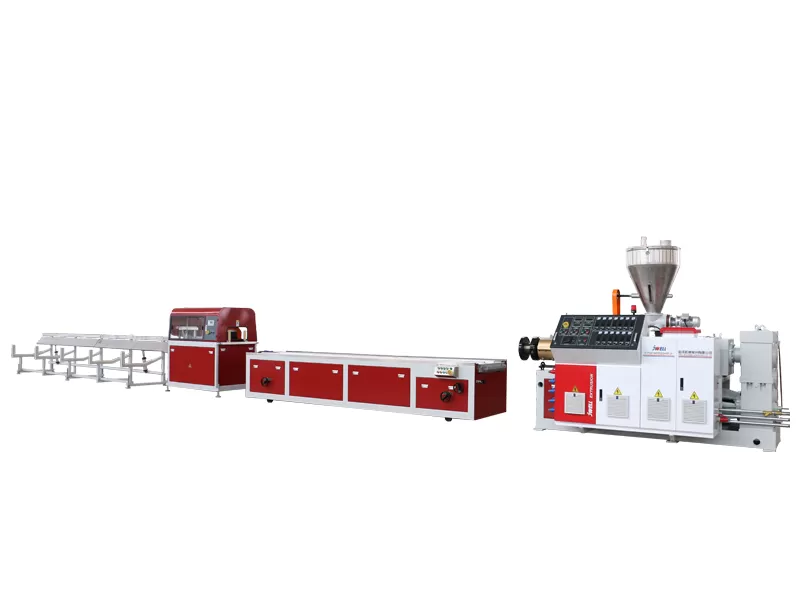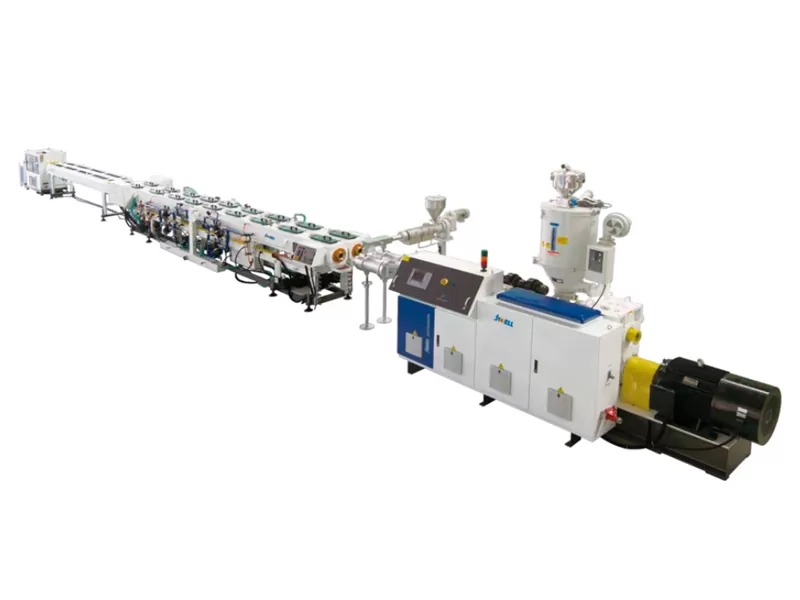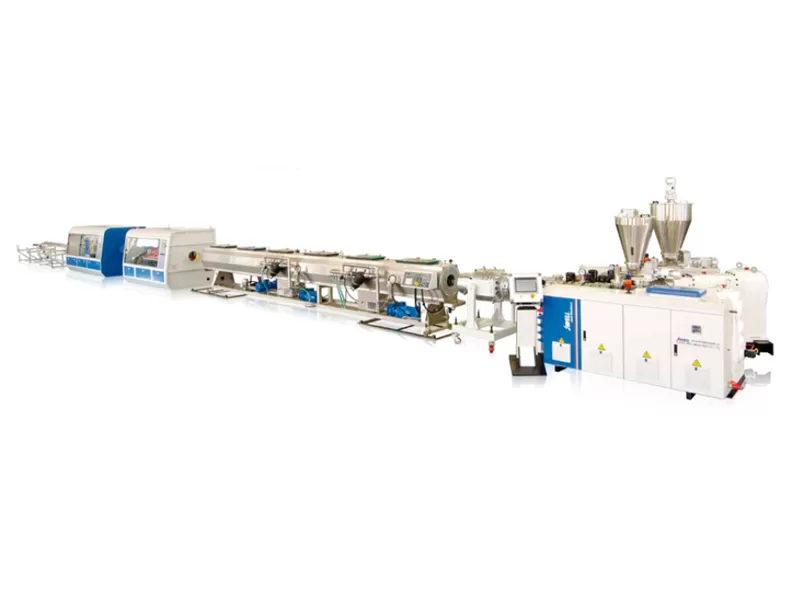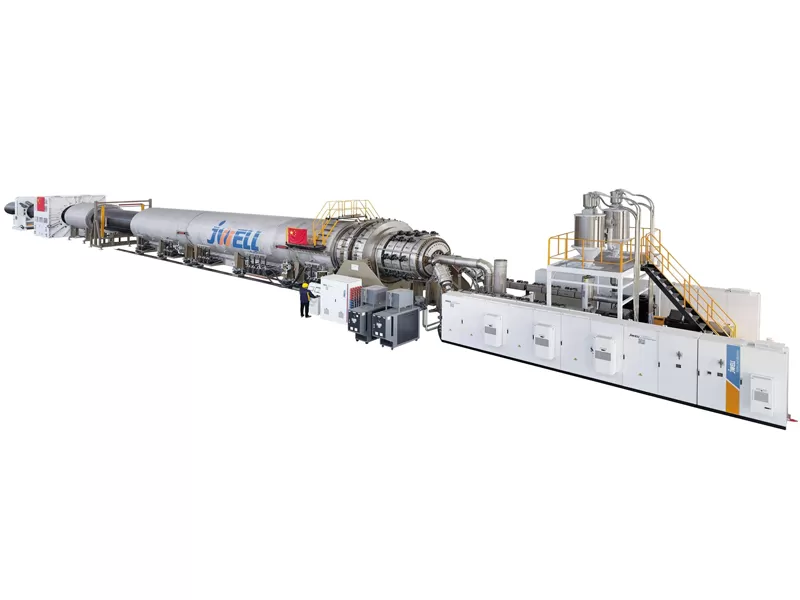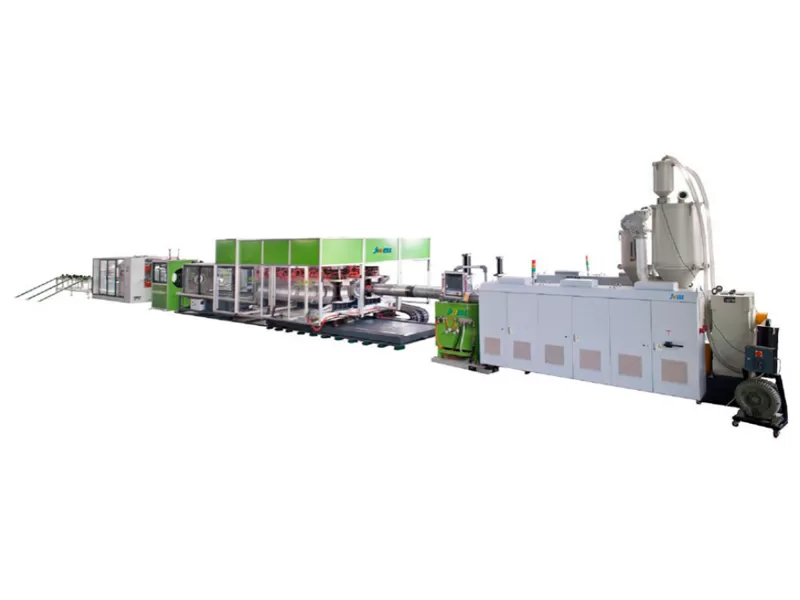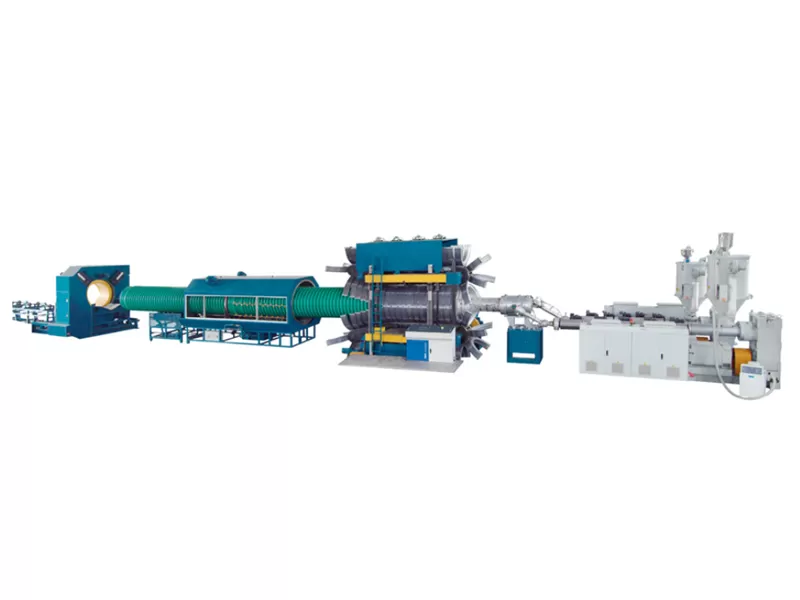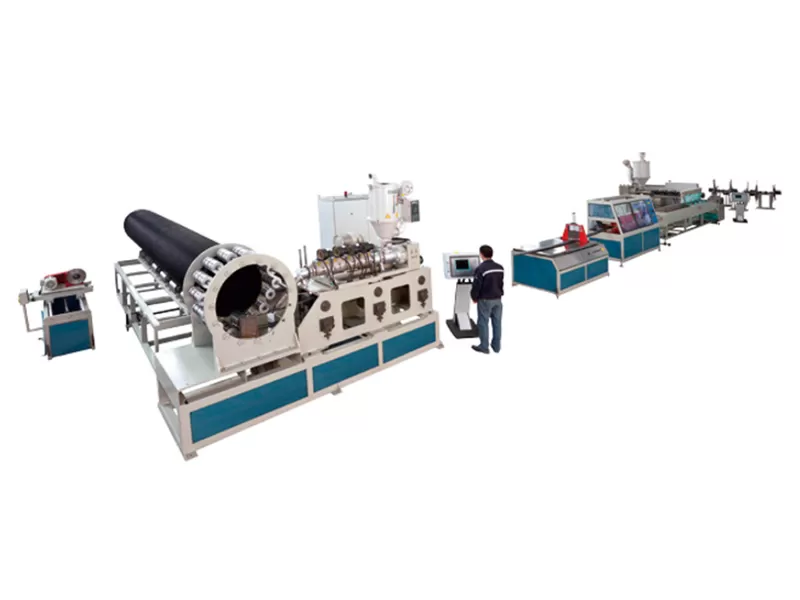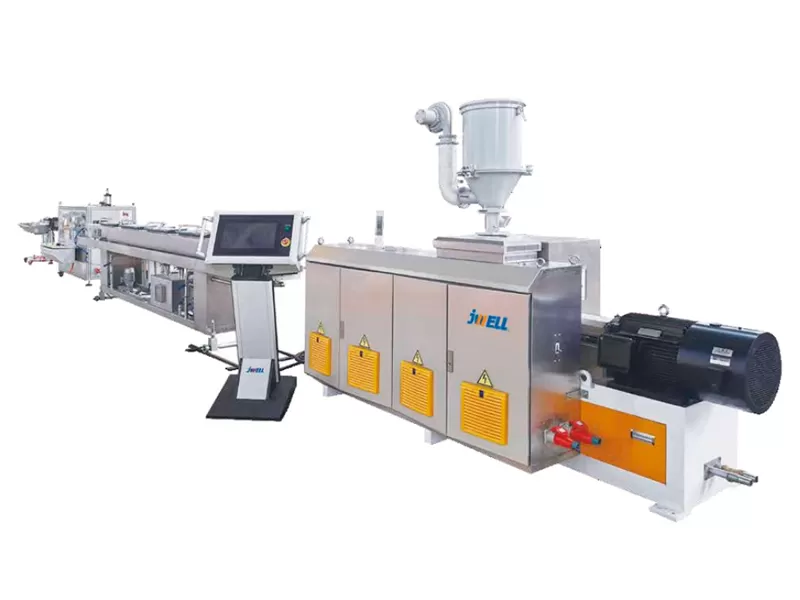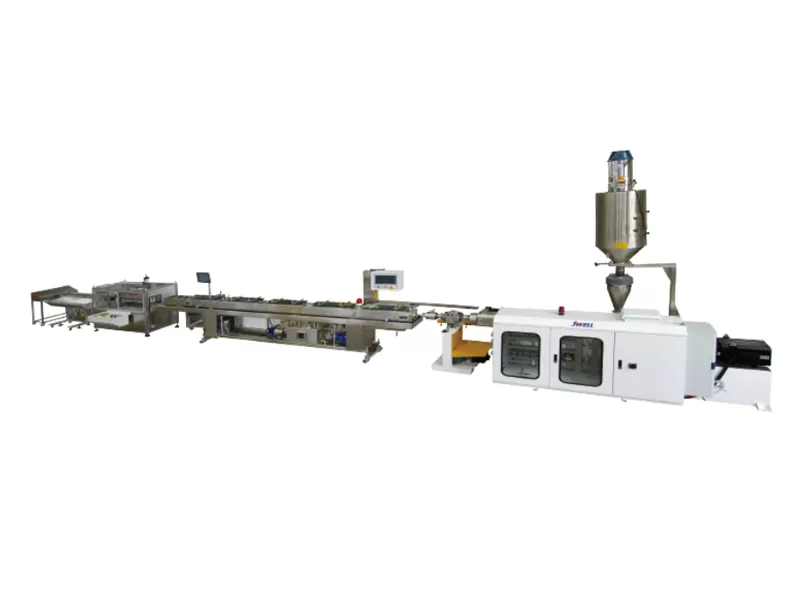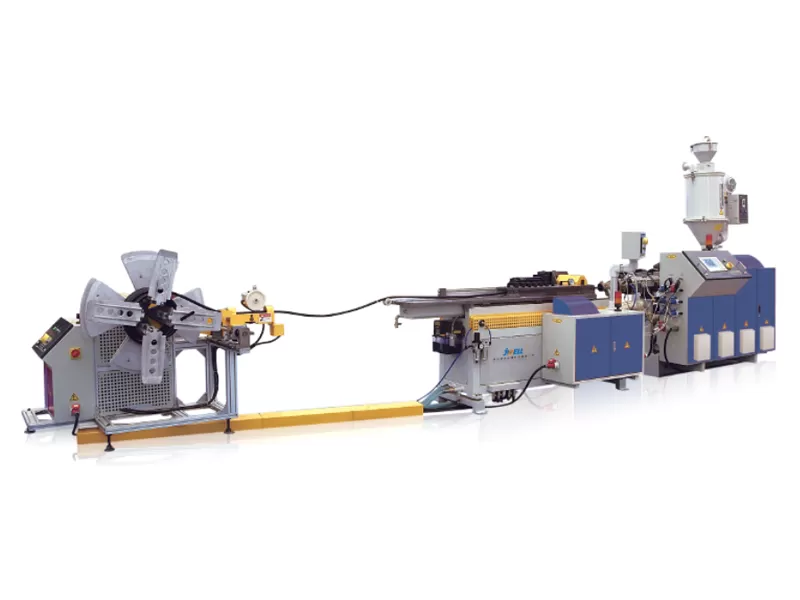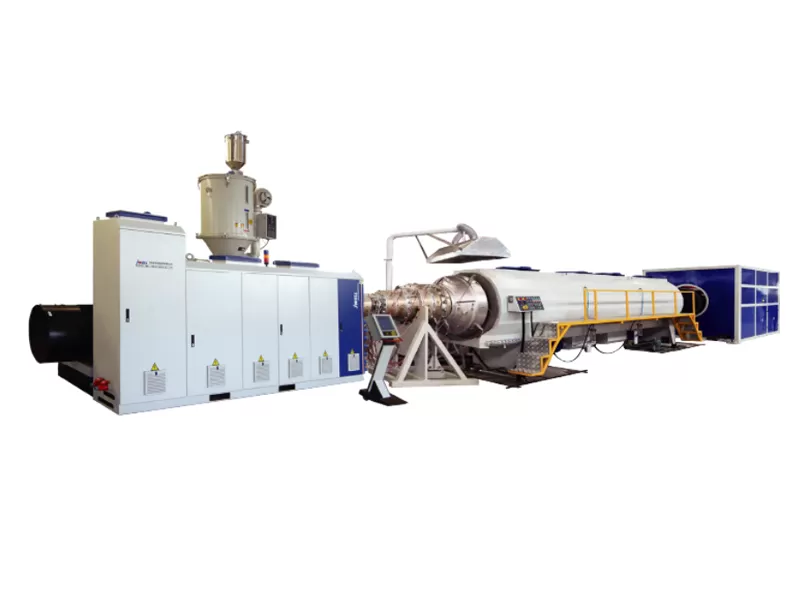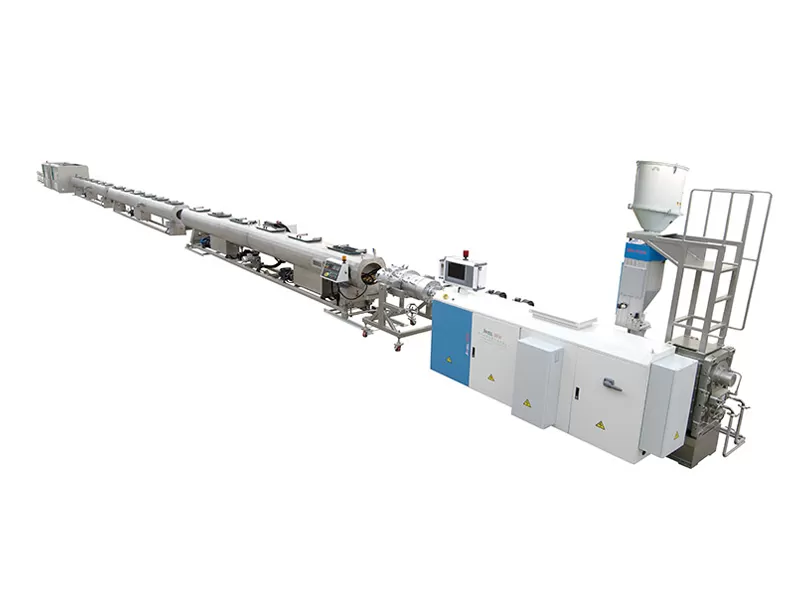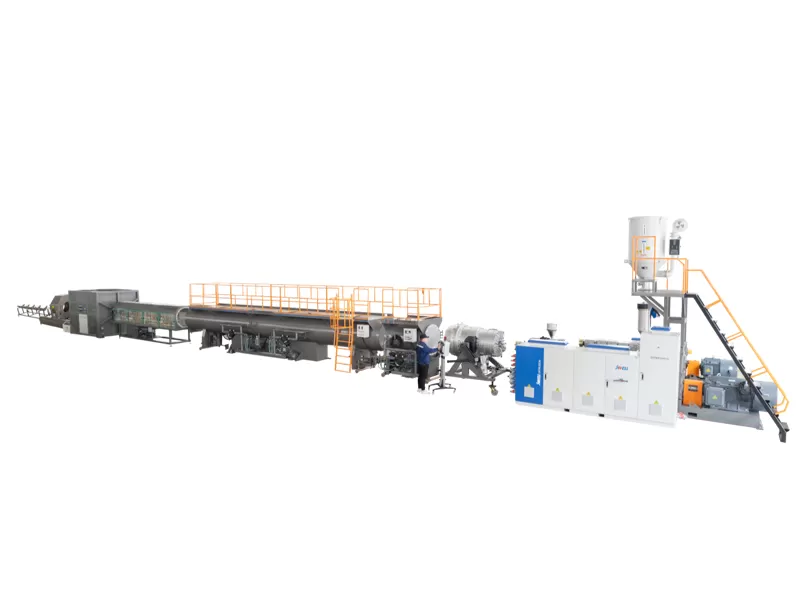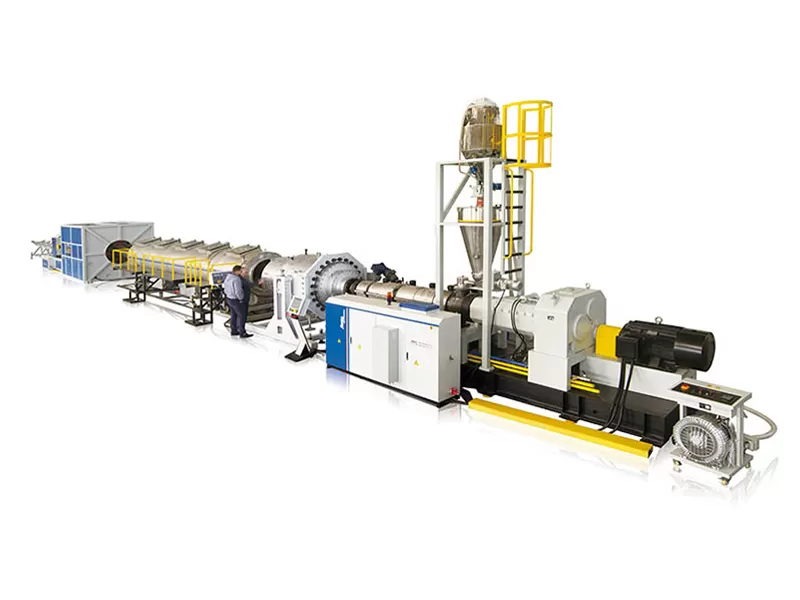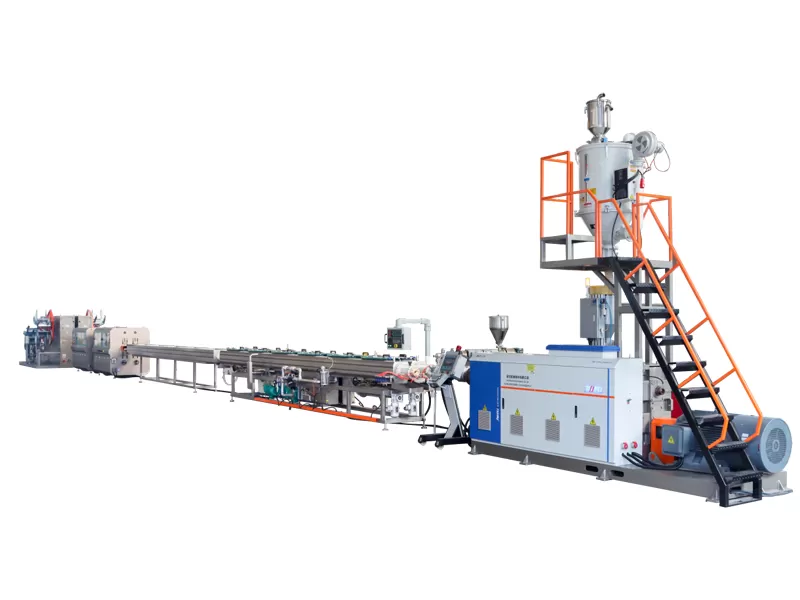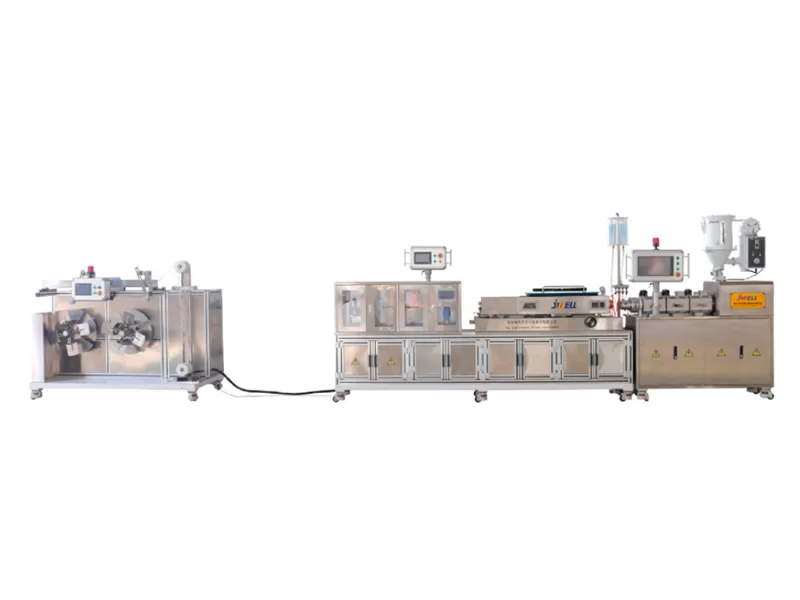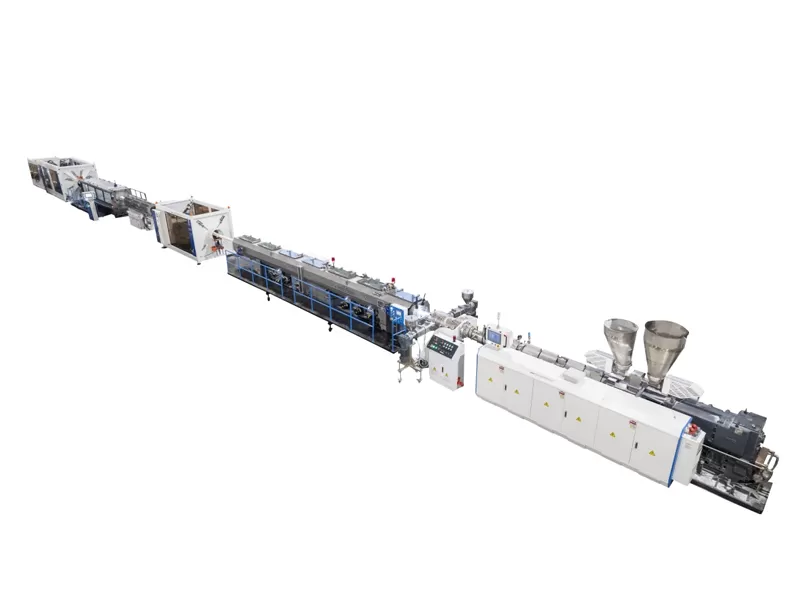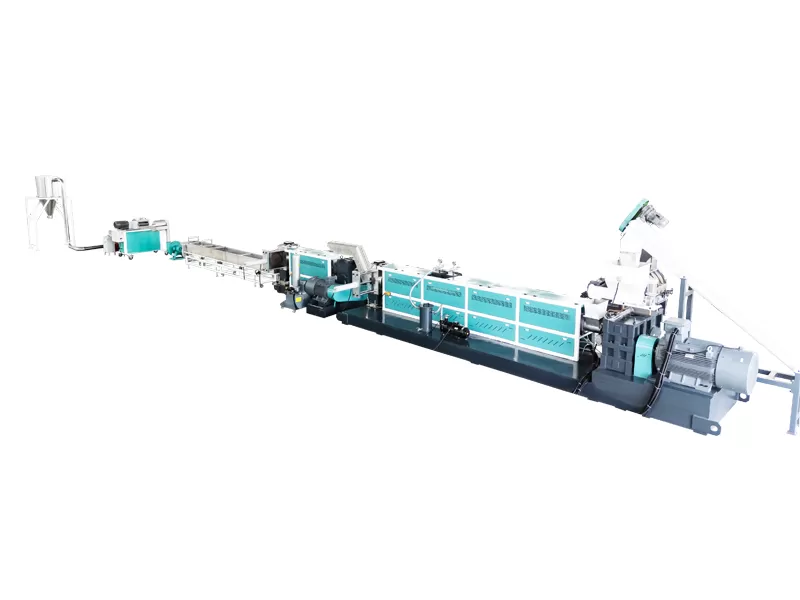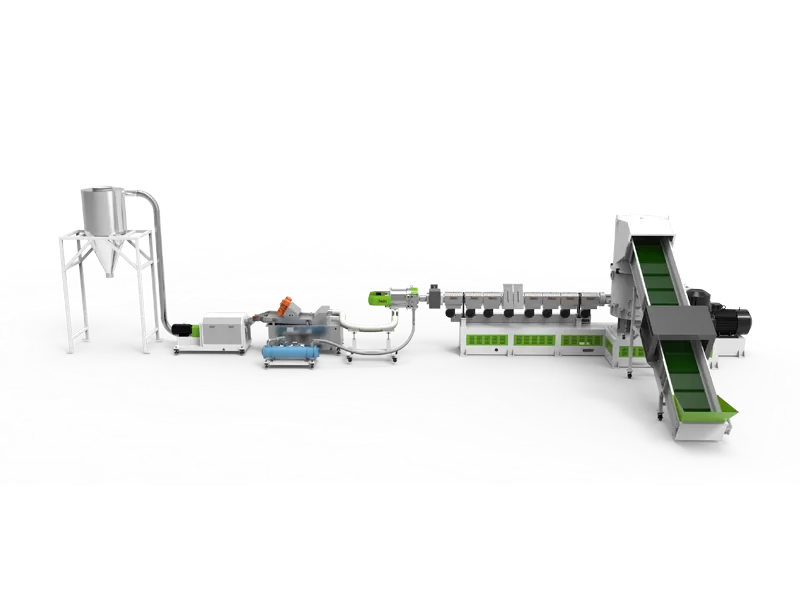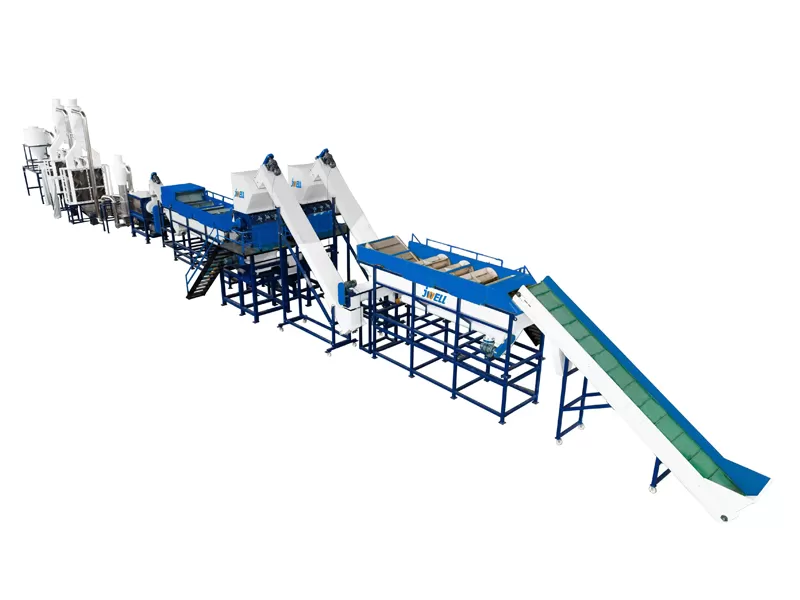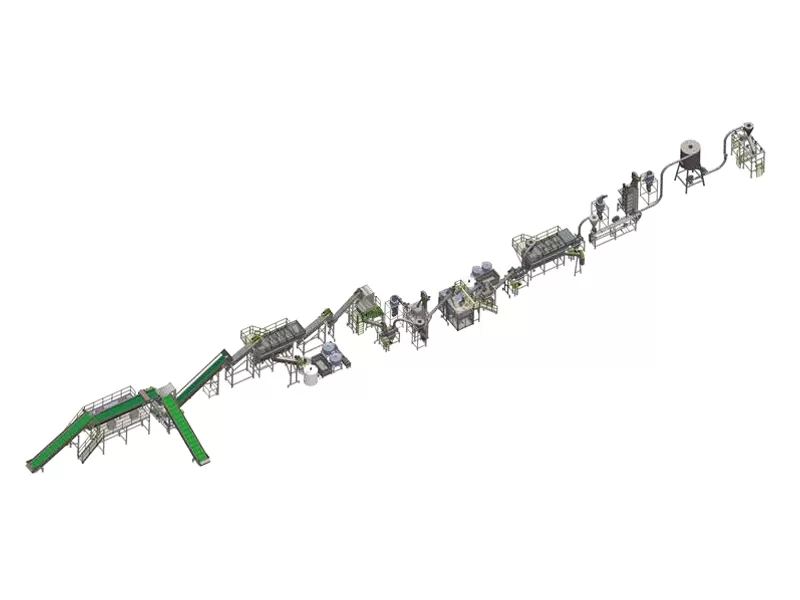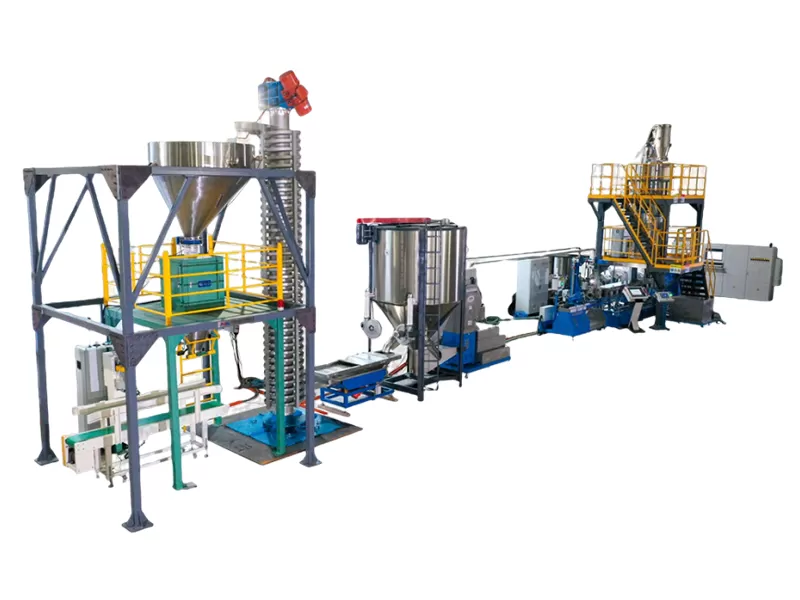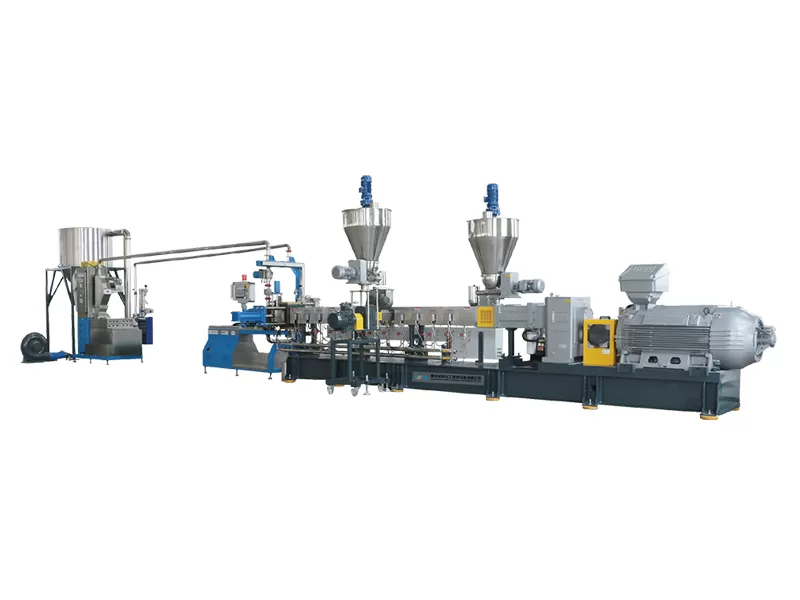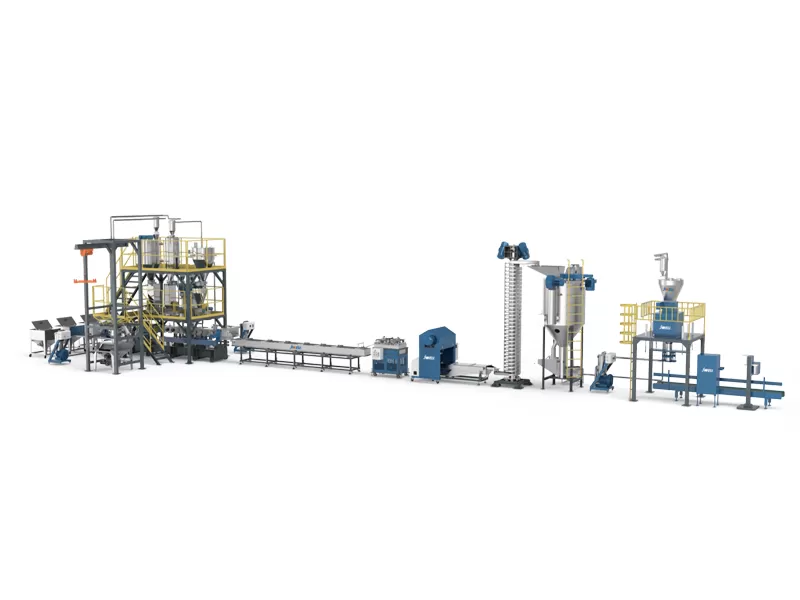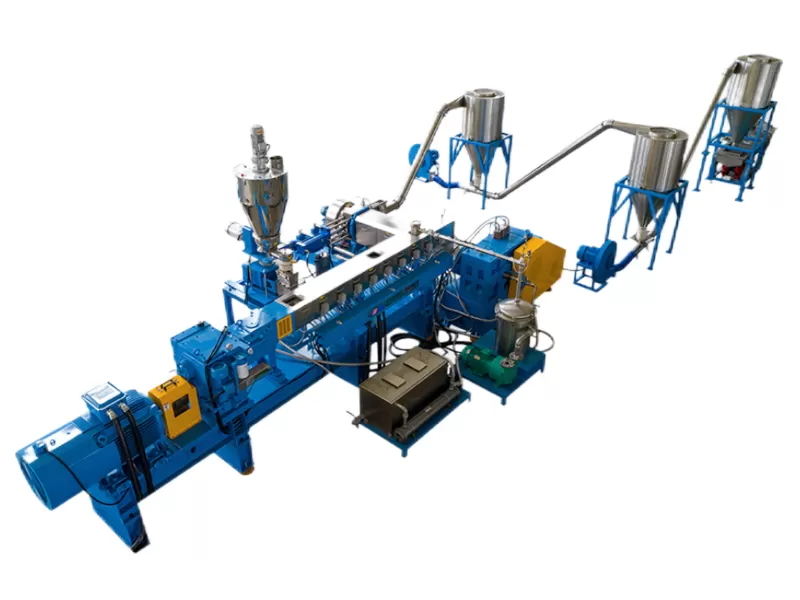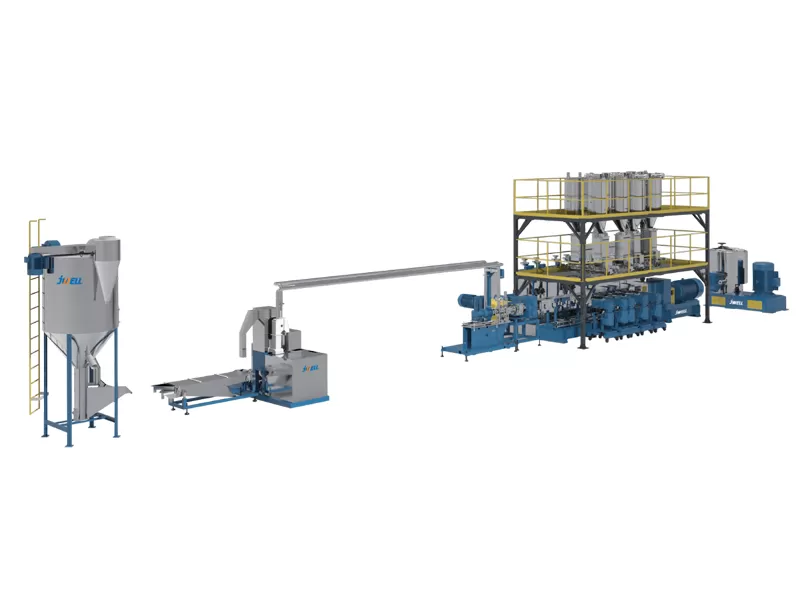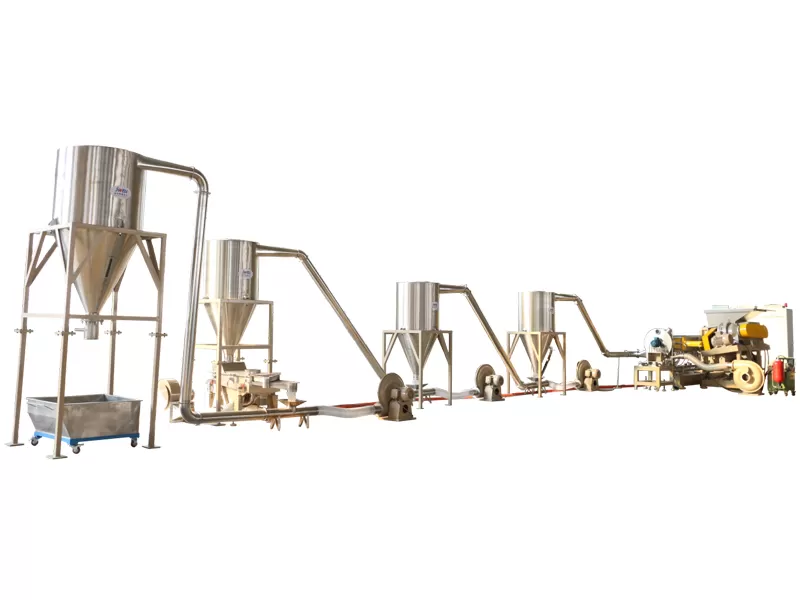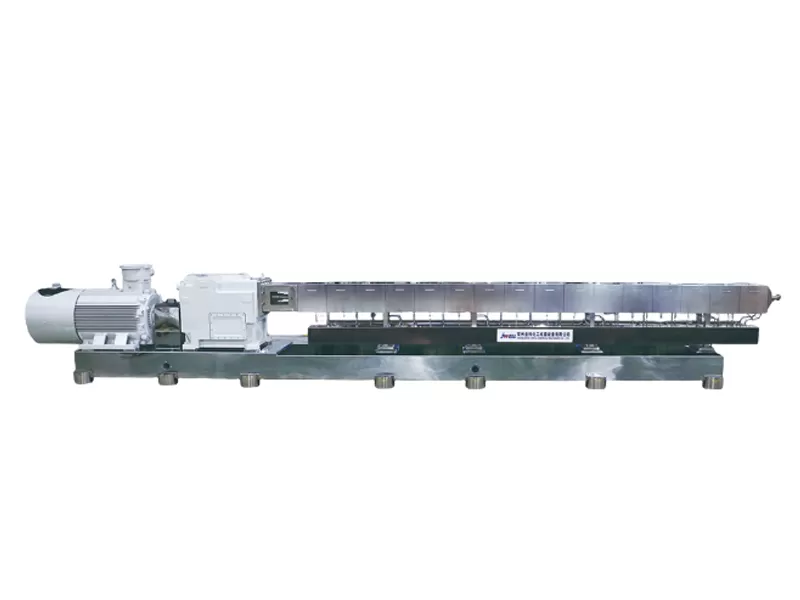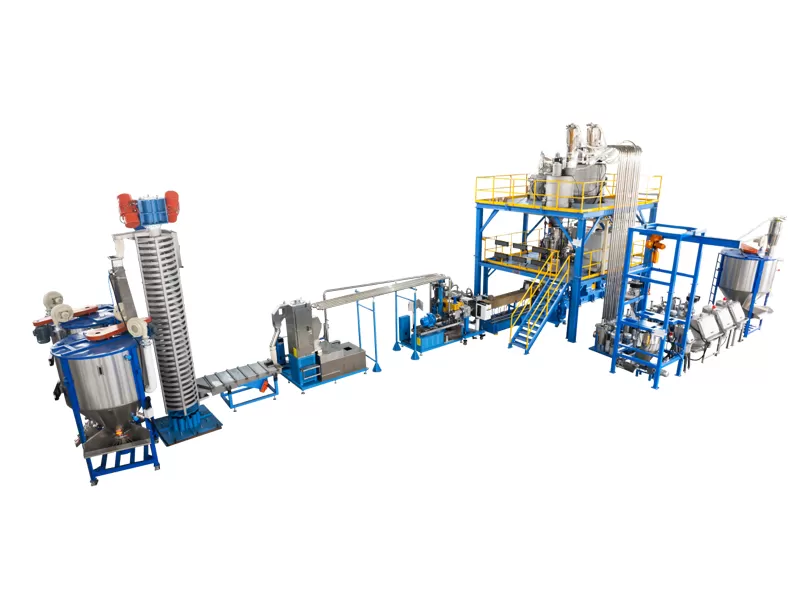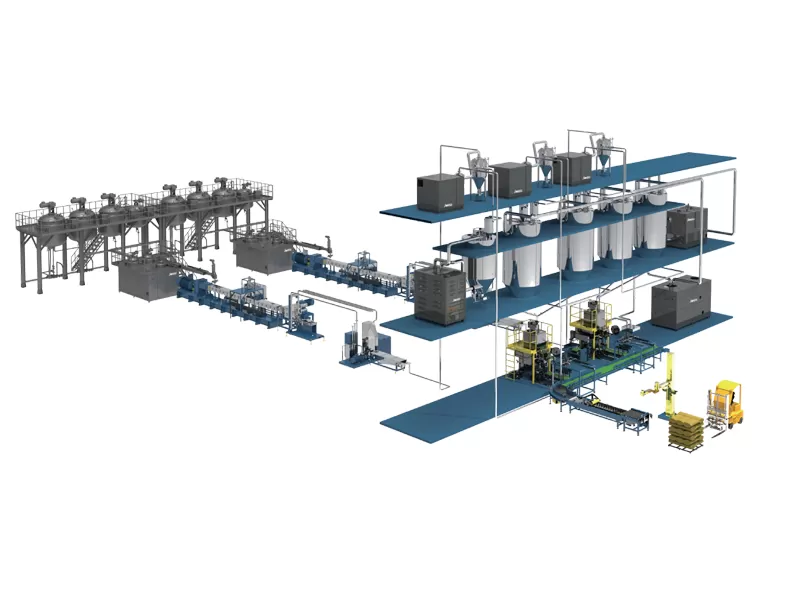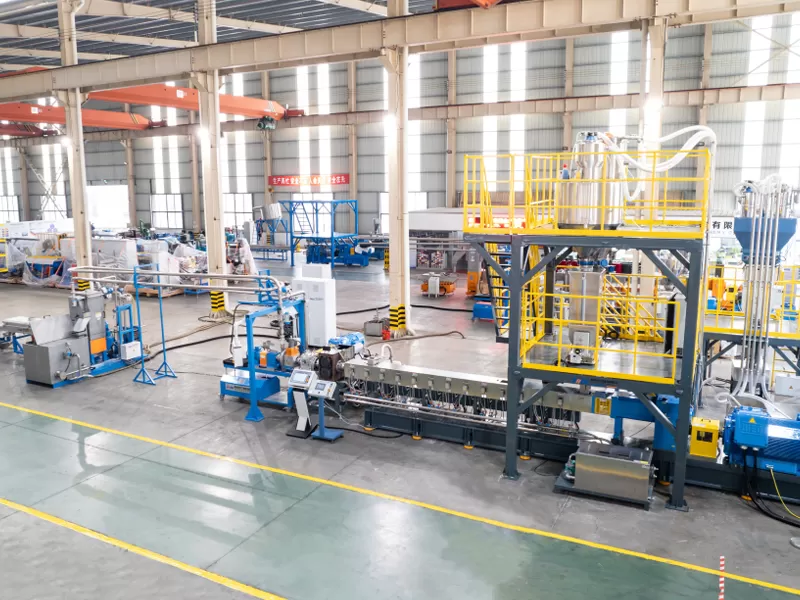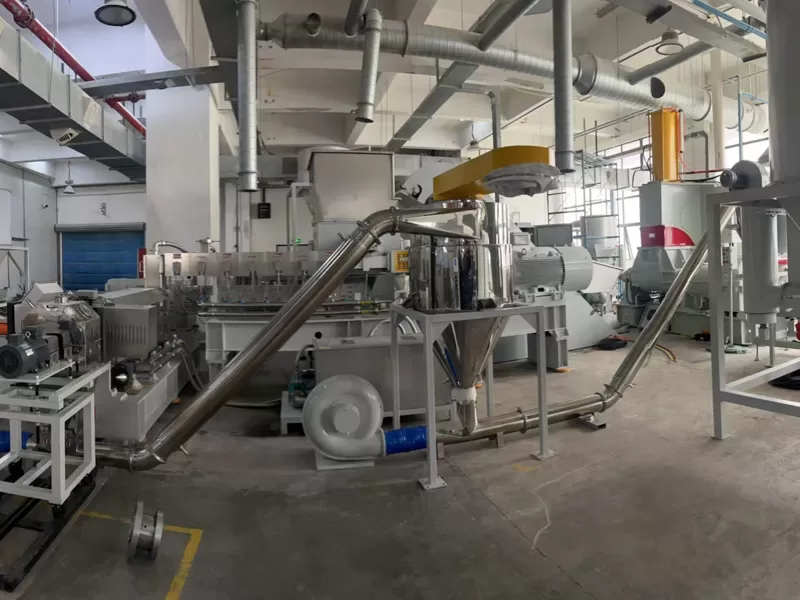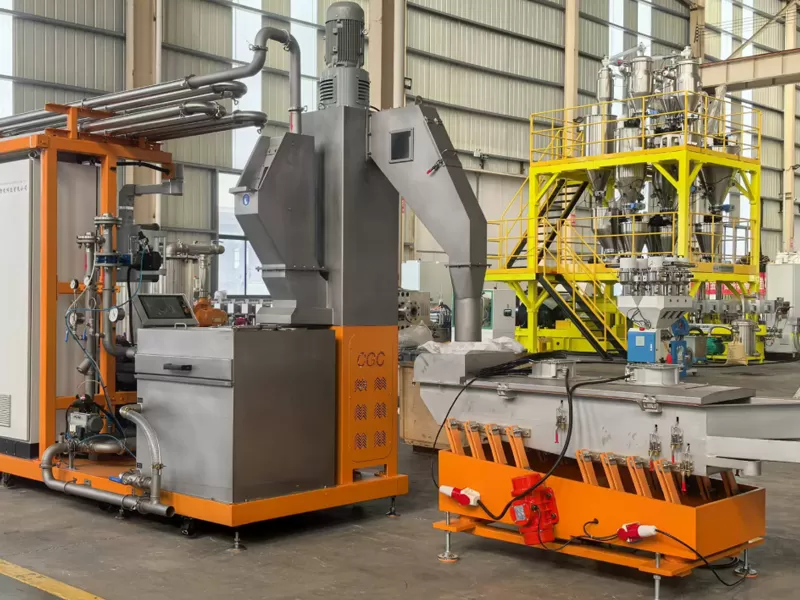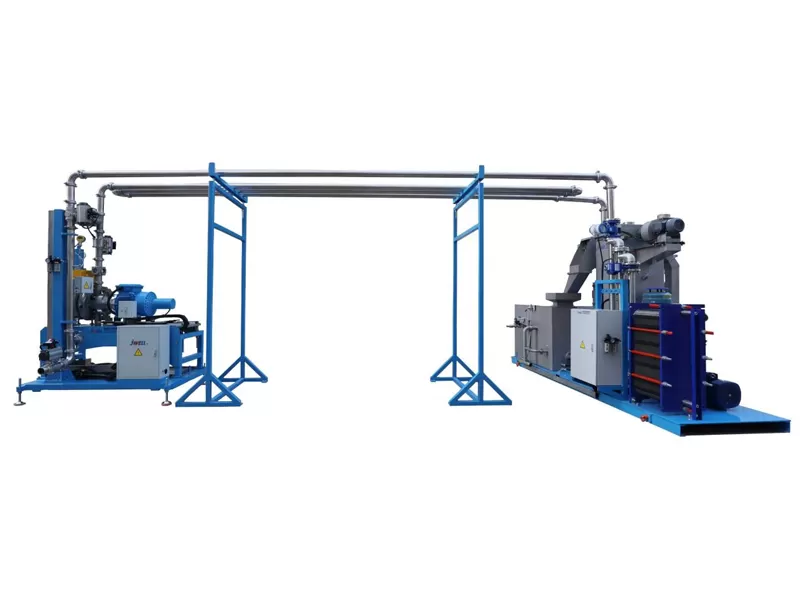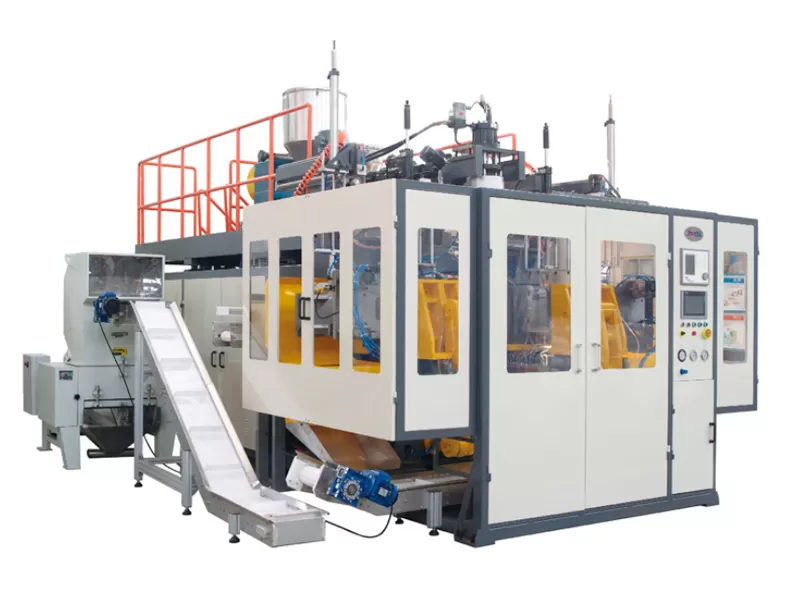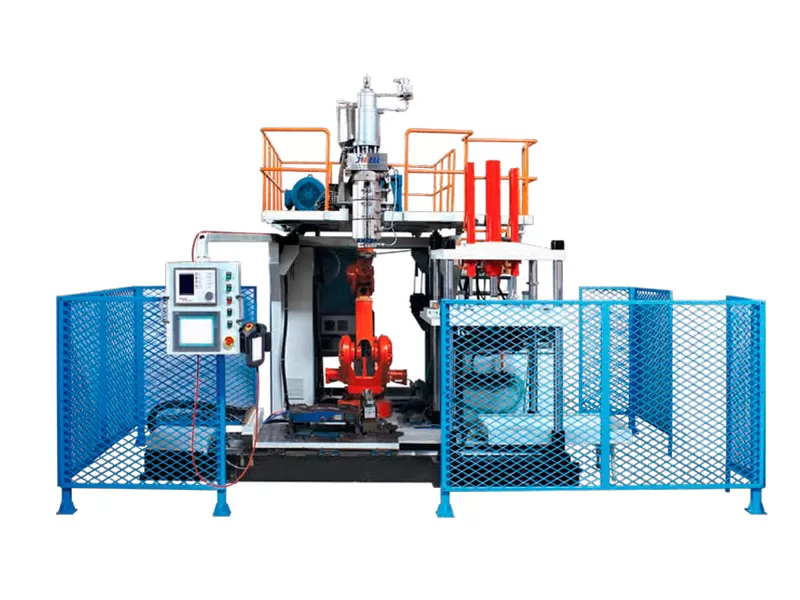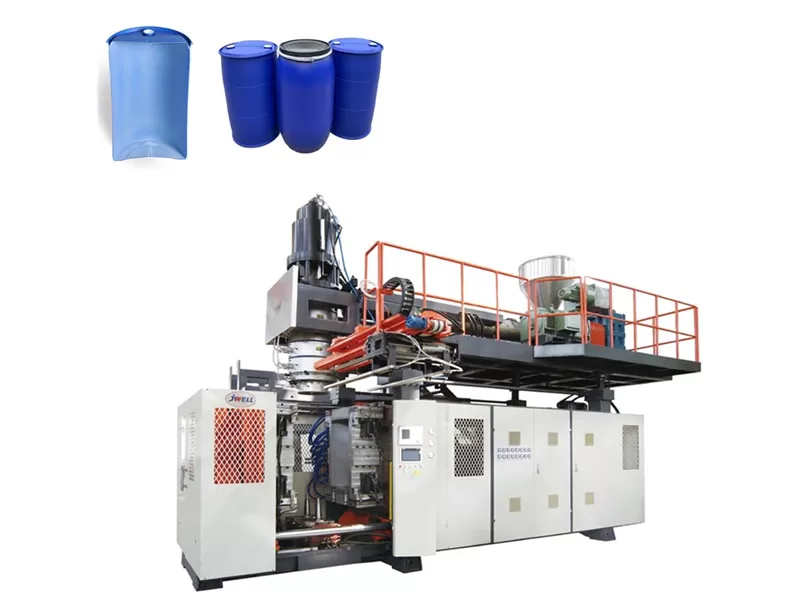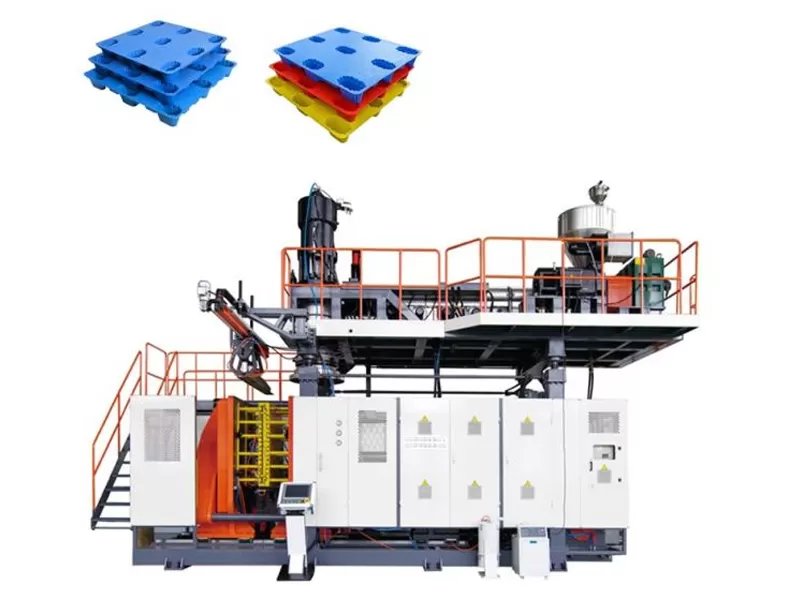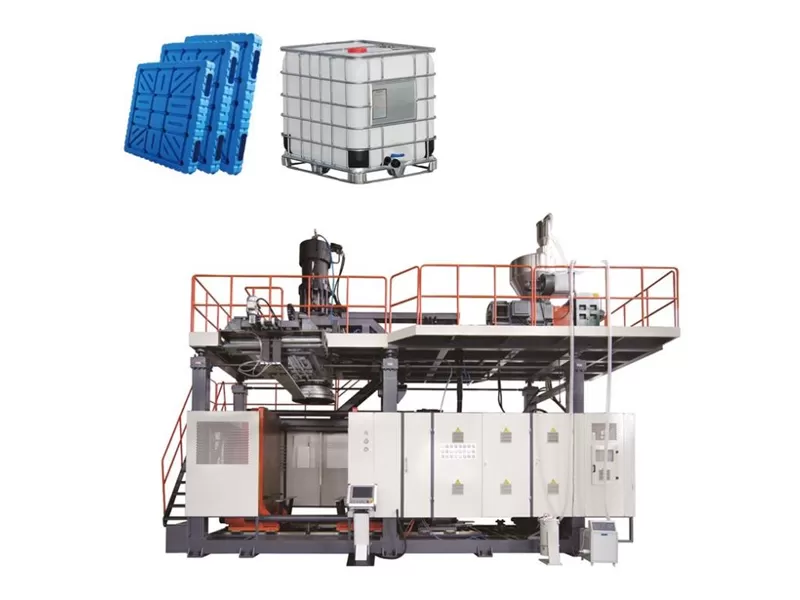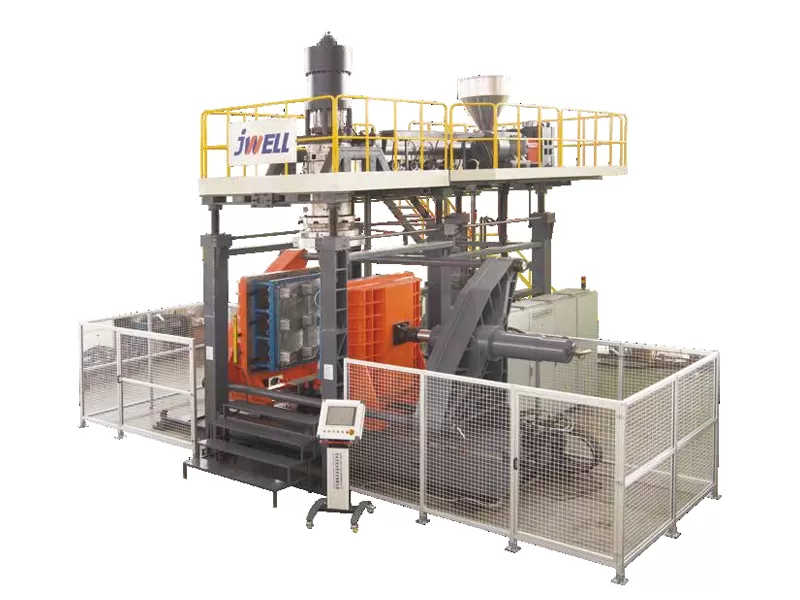

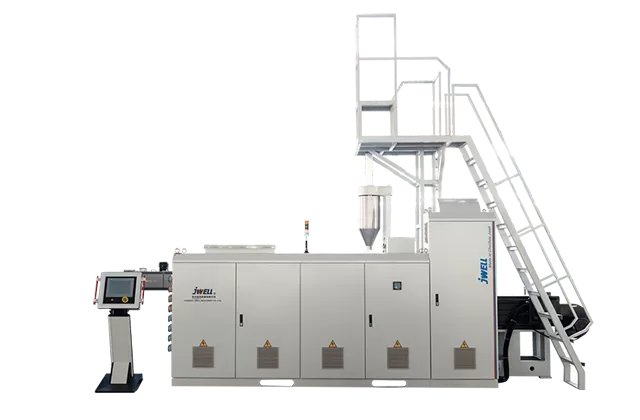
Jwell offers Plastic Sheet Extrusion Line, Plastic Film Extrusion Line, Plastic Pipe Extrusion Line, Plastic Recycling Machines, Blow Molding Machine, Extrusion Components, and complete plastic extrusion machinery solutions for global industrial applications.
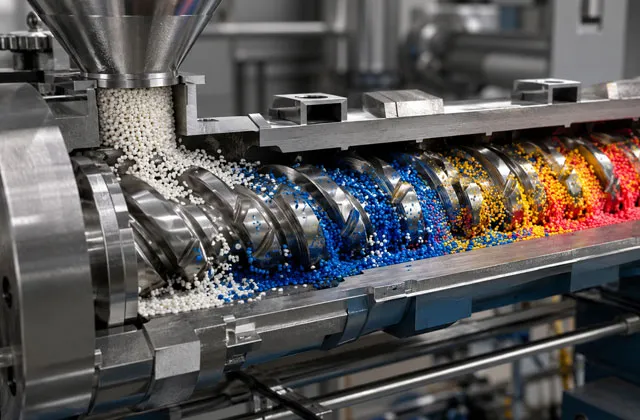
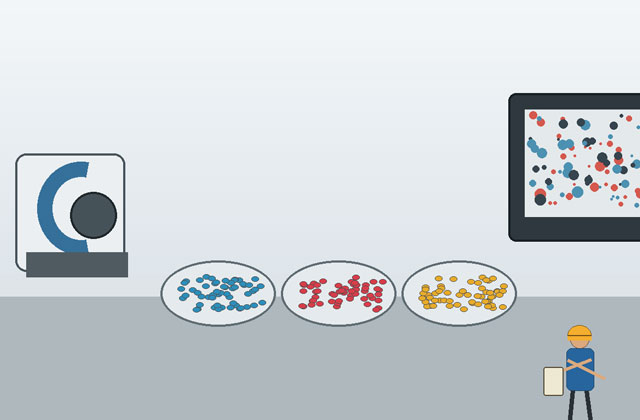
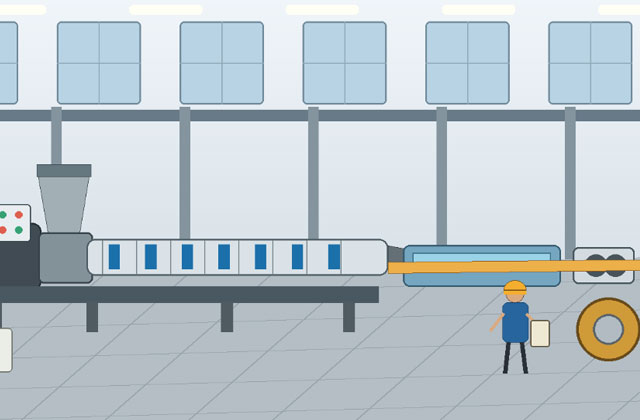
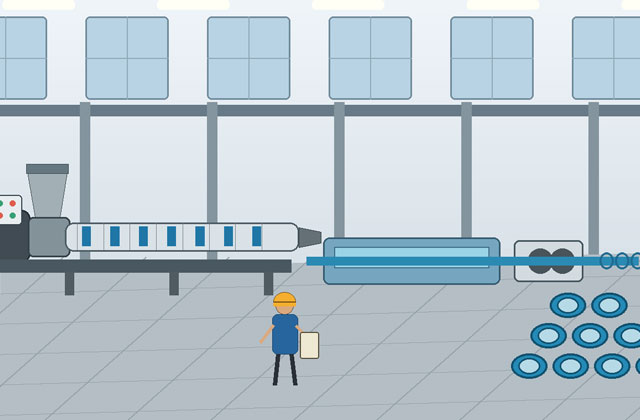
Raw plastic pellets or granules are poured into a hopper. The material can vary (polycarbonate, ABS, etc.). They then move into a heated barrel (around 200–275 ℃) where a rotating screw melts the plastic into a consistent molten state.
The molten plastic passes through a screen to remove contaminants, then through a die to form the desired shape. After shaping, it goes through a water- or air-based cooling system to harden the plastic.
The hardened plastic shapes (pipes, sheets, tubes, etc.) are moved across rollers, cut to size, and undergo any additional processing. Finally, each piece is inspected to ensure accuracy and quality.
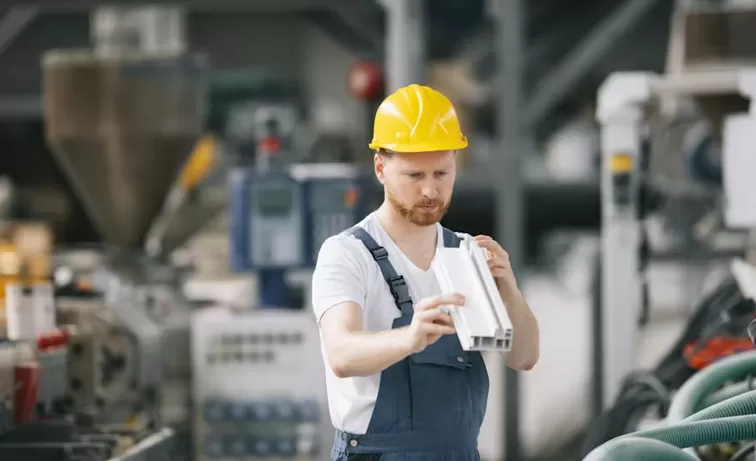
Product quality depends on material characteristics, profile design complexity, wall thickness, dimensional tolerances, and processing conditions such as temperature and humidity. Proper engineering, tooling design, and quality assurance procedures help ensure consistent product performance and precision.
FAT, Before shipment, the equipment is supported to test at our factory, and the acceptance criteria are in accordance with the contract requirements between the customer and our company.
Plastic extrusion offers cost efficiency, design flexibility, continuous production, reduced material waste, and faster manufacturing cycles. It is widely used in industries such as automotive, construction, electrical utilities, consumer goods, lighting, oil & gas, highway safety, warehousing, and retail displays.
You can choose according to the product type, such as PVC profiles, thermoforming packaging sheets, plastic pipes, blow molding, plastic recycling granulation, modified granulation, waste plastic recycling, as well as the status of raw materials such as powder, granule, crushed materials, etc.
The difference between single screw and twin-screw extruder in the materials they target. Single screw mainly consumes granule, such as HDPE, PP, PVC, PC, ABS, PMMA, PET, etc. Then, depending on the different raw materials, screws with different aspect ratios and structures can be selected. Twin screws have cone and flat pairs. Cone pairs are mainly used for PVC powder, while flat pairs are mainly used for PET, PLA and other raw materials.
The selection of machine capacity is mainly based on the size specifications of the product and the customer's production capacity requirements.
The equipment price is based on the production capacity of the production line, the degree of automation of the production line, and the technical configuration of the equipment.
To obtain accurate quotations and solutions, it is necessary to understand the raw material information:
What materials are mainly processed? Do high fillers or fiberglass reinforcement are required for materials such as PP, PVC, PET, PE, etc?
Final product: Product form (pipe/sheet/profile/granulation), size range, number of layers
Target production capacity: Expected output (kg/h)
Factory conditions: usable area, power capacity
Automation requirements: Is it necessary to configure fully automated and online monitoring
Budget range: Convenient for us to recommend the most cost-effective solution
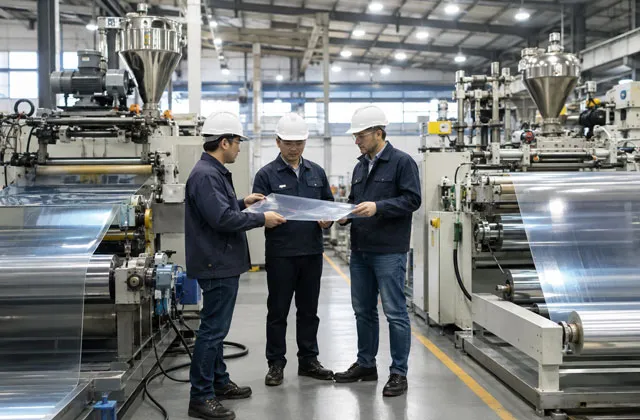
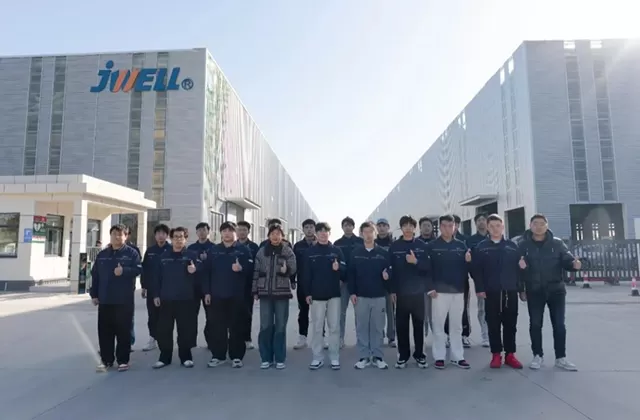
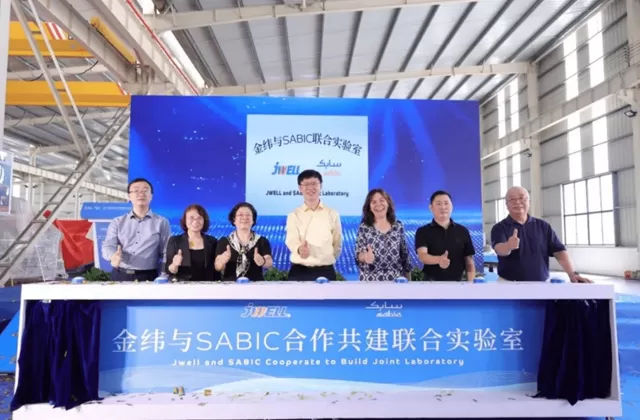
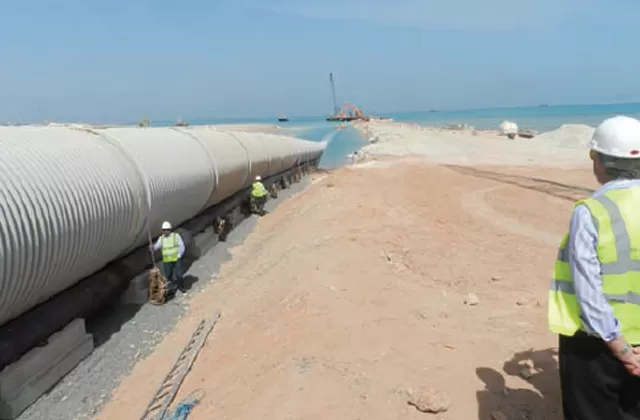
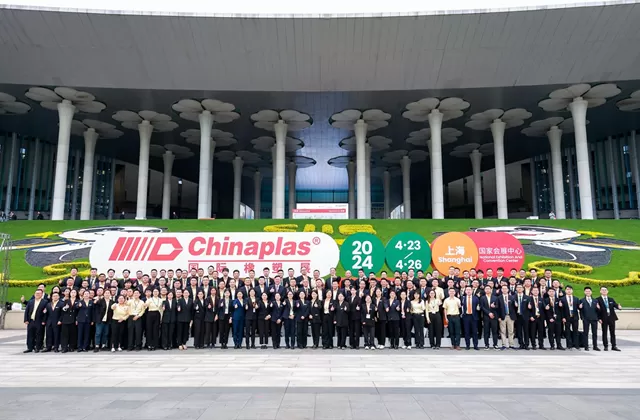
Jwell started manufacturing screws and barrels in 1978, making it one of the earliest screw and barrel manufacturers in China. Its brand, "Jinhailuo", has become well recognized in the industry. In 1997, Jwell was established as a plastic extrusion machinery manufacturer and began the production of extrusion machinery. Today, Jwell is the vice president unit of the China Plastics Machinery Industry Association and one of the technology leaders in the extrusion machinery industry.